Behind Closed Doors: The Quiet Struggle of Serveware Storage
Buffet cabinets with doors work best when internal shelves fit real use, keeping serveware organized and resets quick over time.
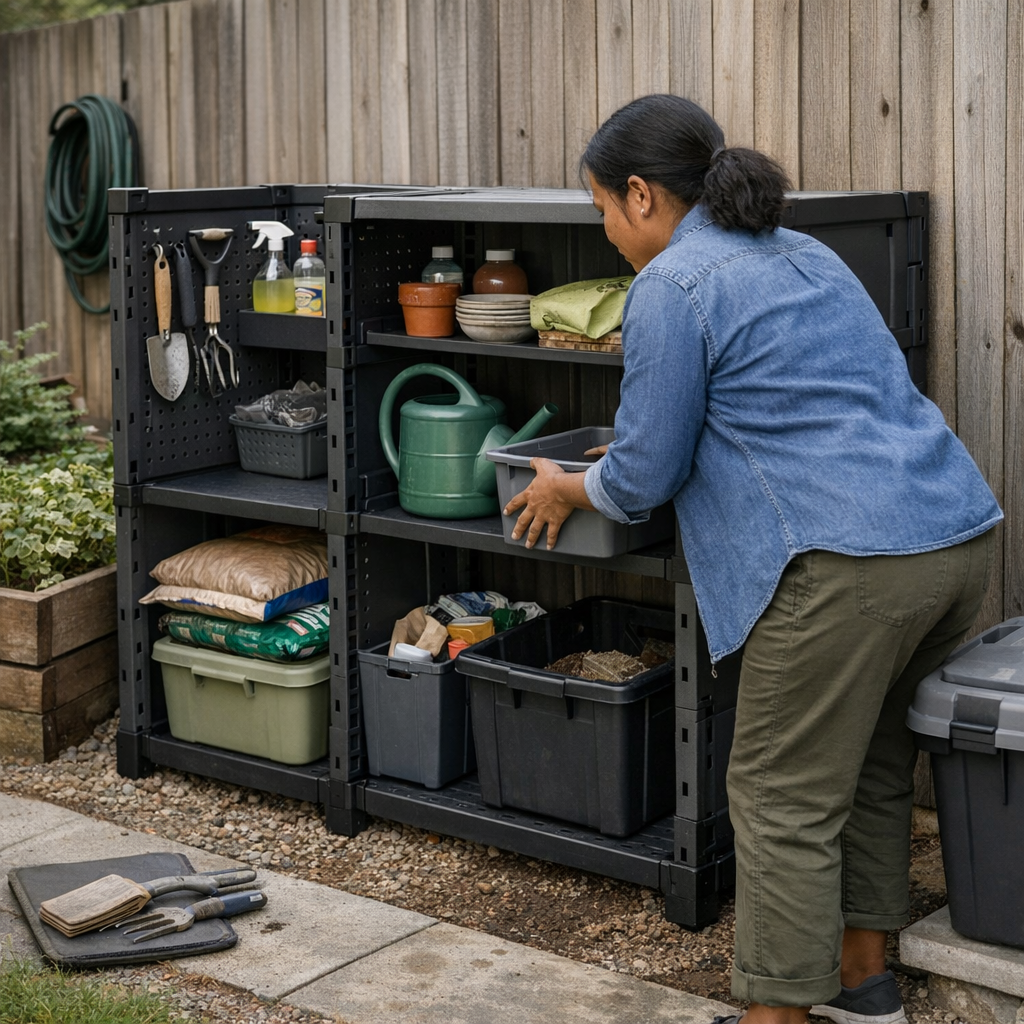
It’s easy to miss at first—the slow drift of order breaking down. How a tidy shelf can turn into a crowded landing zone after just a few meals. The quiet moment when you open a buffet or cabinet after a long week and pause, unsure if the platter is where you left it. I thought that closed doors alone would keep things settled, that hiding storage behind a panel would mean the contents stayed in place. But the real story unfolds quietly inside: it’s less about what the outside hides, and more about how the inside adapts—or resists—over repeated use.
Where the Mess Finds Its Corners
Open shelving offers visibility, making it feel like everything is under control. When you can see every glass and bowl, it seems impossible for clutter to settle. But it rarely stays neat. Dust collects along the edges of that server set aside for the week. Platters inch forward, slowly encroaching on mugs. The system doesn’t fail all at once, but rather in subtle shifts.
Cabinets complicate things differently. Without constant visual cues, clutter doesn’t disappear—it hides. Odd-shaped items wedge themselves tightly into corners, bowls disappear behind trays. Each quick “return” after a meal nudges something slightly out of place, which means the next time you reach in, finding the item takes longer. It’s barely noticeable until suddenly it is.
Shelves That Change the Routine
Most of this stayed invisible until I tried a small but significant change: adjustable shelves replacing fixed ones. Suddenly, the tall soup tureen could stand upright instead of leaning awkwardly. Platters found their own dedicated stretch of space. The usual shuffle and slide to reach something in the back stopped.
Those simple adjustments restored flow to daily use. Cleanup became a quick five-minute task rather than an improvised balancing act. The interior organization held firm longer, softening pressure points where the mess usually gathered. It was a modest change, but it highlighted how interior layout and access matter far more than any tidy exterior.
The Real Value Isn’t What Stays Hidden
Storage with doors serves its purpose—buffering clutter behind a calm surface. But whether it actually reduces daily mess depends on how the inside handles repeated use. Shelf heights and compartment sizes that align with real routines bring back predictability that open storage often can’t provide.
Order isn’t about disappearing once the doors are shut. It’s about making in-and-out use sensible and consistent over time. Each time I close the cabinet with everything ready for tomorrow, I’m reminded that understanding the pressure points inside is key.
Sometimes I still search for fresh ideas and keep coming back to a quietly useful resource here: http://www.gridry.myshopify.com