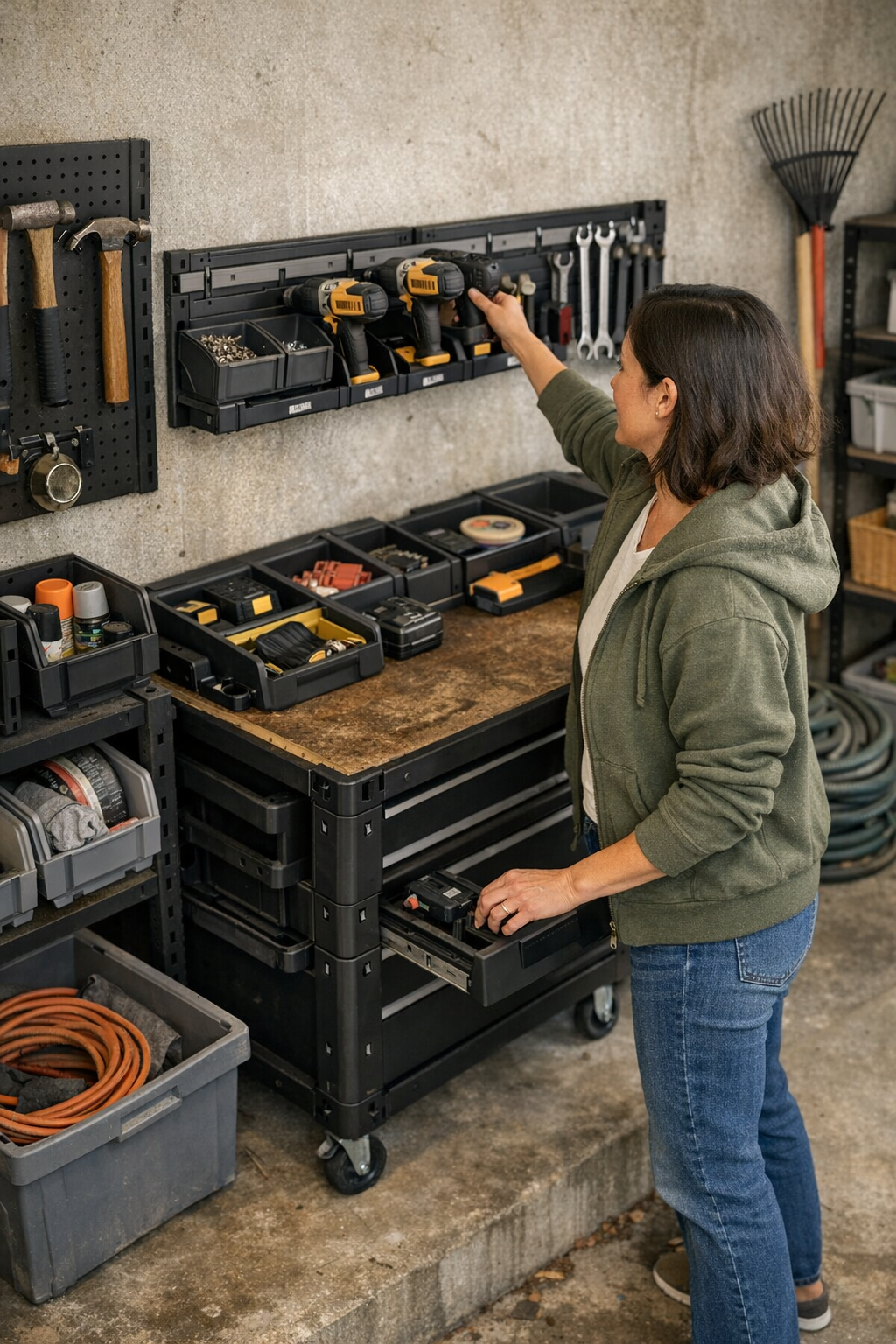
When Flexibility Turns Into Everyday Frustration at Home
Modular storage only works well with clear boundaries; without them, flexibility causes clutter, blocked movement, and wasted reset time.

Modular storage only works well with clear boundaries; without them, flexibility causes clutter, blocked movement, and wasted reset time.
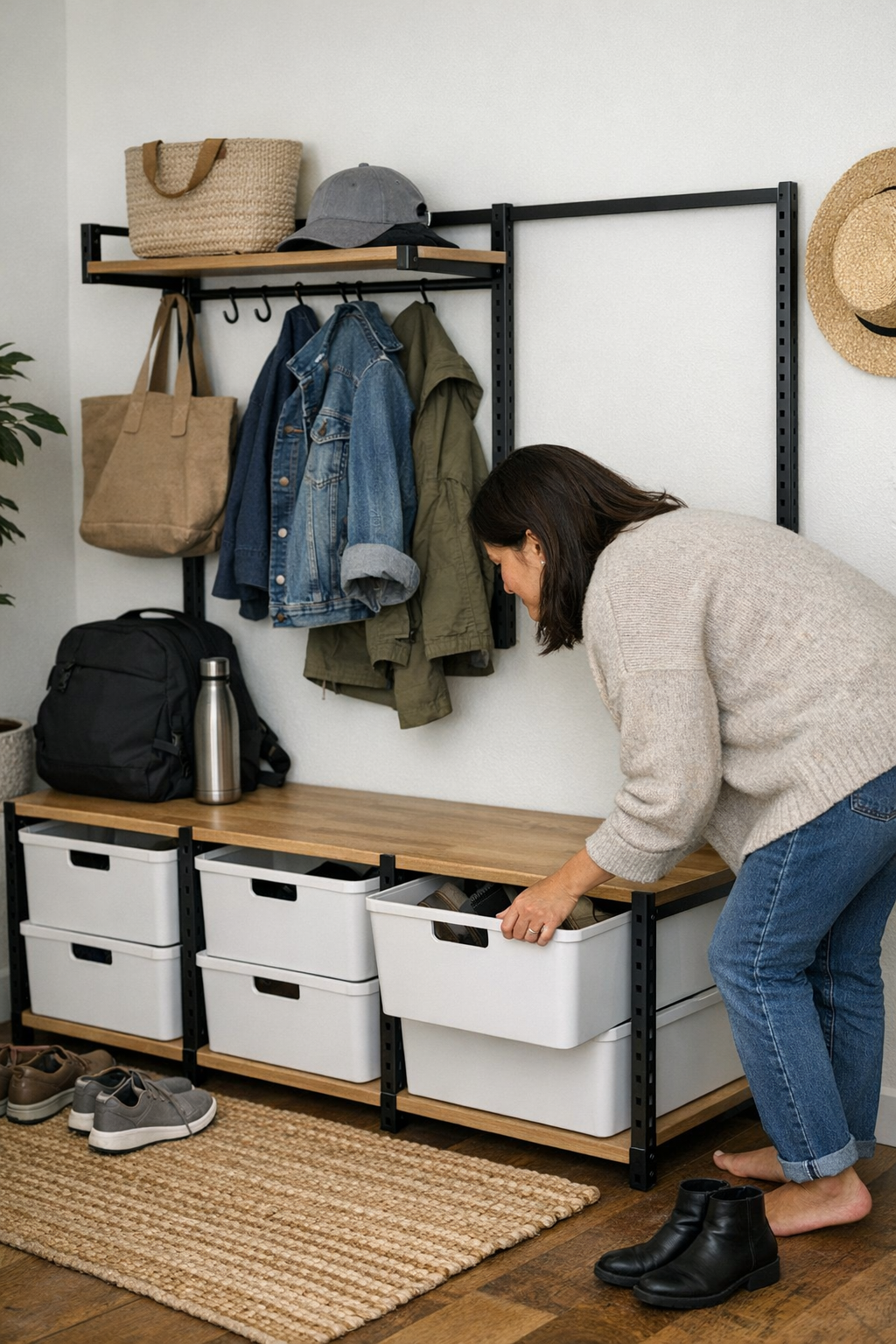
Closed bins limit clutter, confusion, and blockages in entryways during busy mornings, making space easier to reset and maintain all week.

Pet travel setups seem organized but can delay stops if items are blocked; placing key gear in open, easy spots eases movement.

Defining strict physical boundaries for cables and tools keeps visual noise off your workspace long after tidying, ensuring lasting clarity.

Yard cleanup under ten minutes depends on storage guiding return flow and absorbing use, preventing pileups and blocked paths.

A cat feeding setup that looks tidy rarely prevents mess spreading. Consistent wiping cuts maintenance and reduces interruptions.
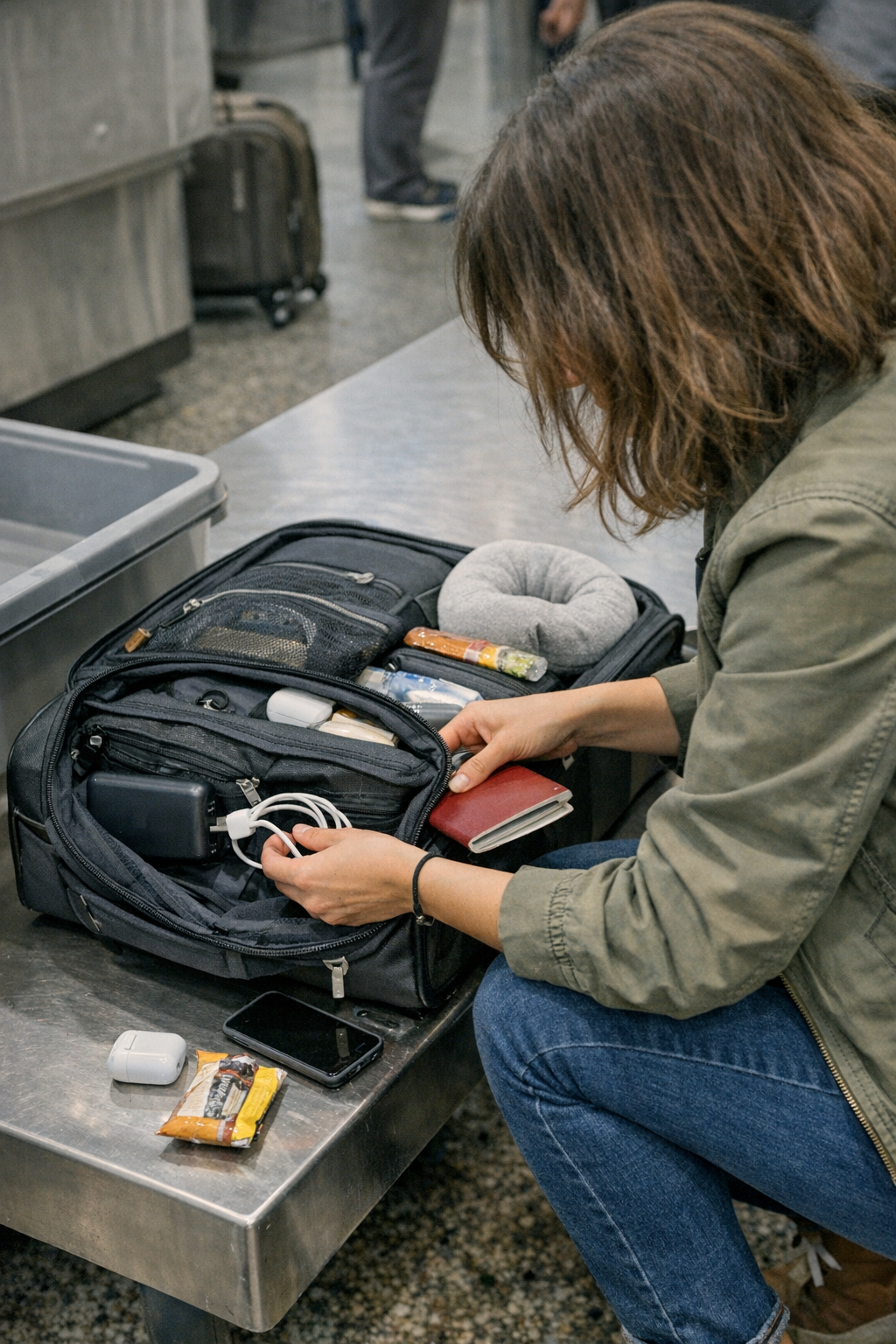
A post-trip carry-on reset prioritizes quick-grab items and reduces access friction to prevent delays during security and boarding.

Repeatable storage with dividers keeps routines smooth and resets fast, while aesthetic bins can hide clutter that appears with daily use.

On remodeling sites, underpowered compressors cause blade drag and finish flaws; matching CFM to job demands ensures steady cuts and results.

Stretching for indoor lights signals poor fixture placement, increasing risk. Small repositioning improves safety and ease of routine maintenance.

Daily pet-care routines break down fast if essentials don’t stay where needed. One fix like anchoring a towel by the entry stops interruptions.

Disorder builds from small misses: cords migrating, chargers wedging under seats, wipes hard to grab. Early placement stops daily drag.