Evenings Quieted by a Simple Shift in Dog Feeding
Restless dog waiting can escalate stress; hiding the bowl until mealtime reduces tension and smooths the dinner routine nightly.
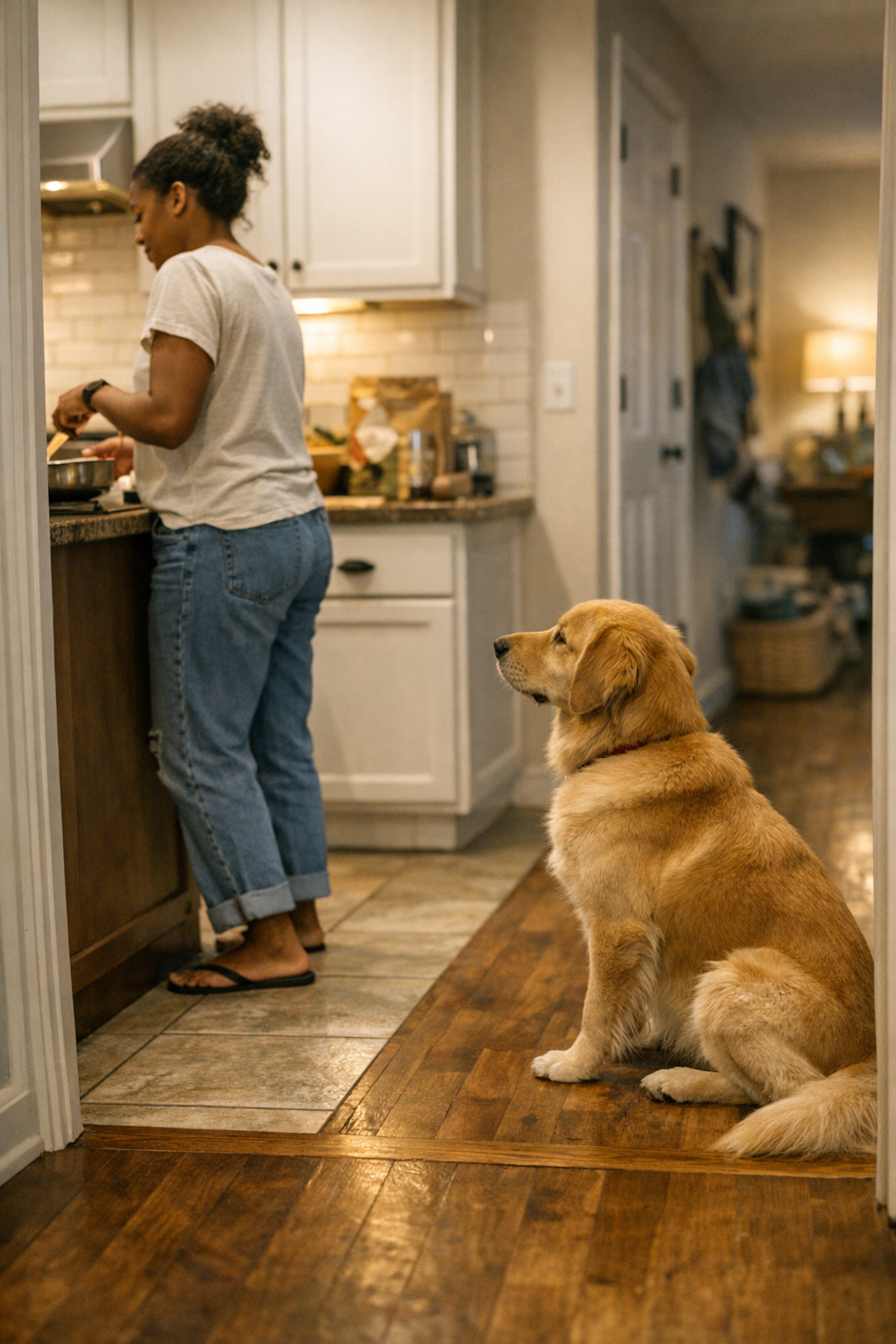
Some realizations don’t hit all at once—they settle in like the routines that build up around feeding time, soft but persistent. I started to notice a subtle tension usually by the second week of sticking to the same dog-meal routine: a quiet waiting that never quite went away, triggered the moment our dog saw her bowl. The prep process made her almost buzz with movement, pacing along the tile’s edge, waiting for something to shift.
After a few evenings, it became clear—dishes wiped, supplies measured, but the dog remained near the doorframe, stuck between patience and insistence. What seemed fine at first began to add up: the time spent maneuvering around a dog hovering just beside her bowl, the way the visible dish pulled anticipation into a gentle but persistent tension around the kitchen. Living in the cycle, those extra steps felt inevitable. Eventually, I recognized it wasn’t just about dinner—it was how the whole evening flexed to accommodate this edge.
Seeing the Pattern Hiding in Plain Sight
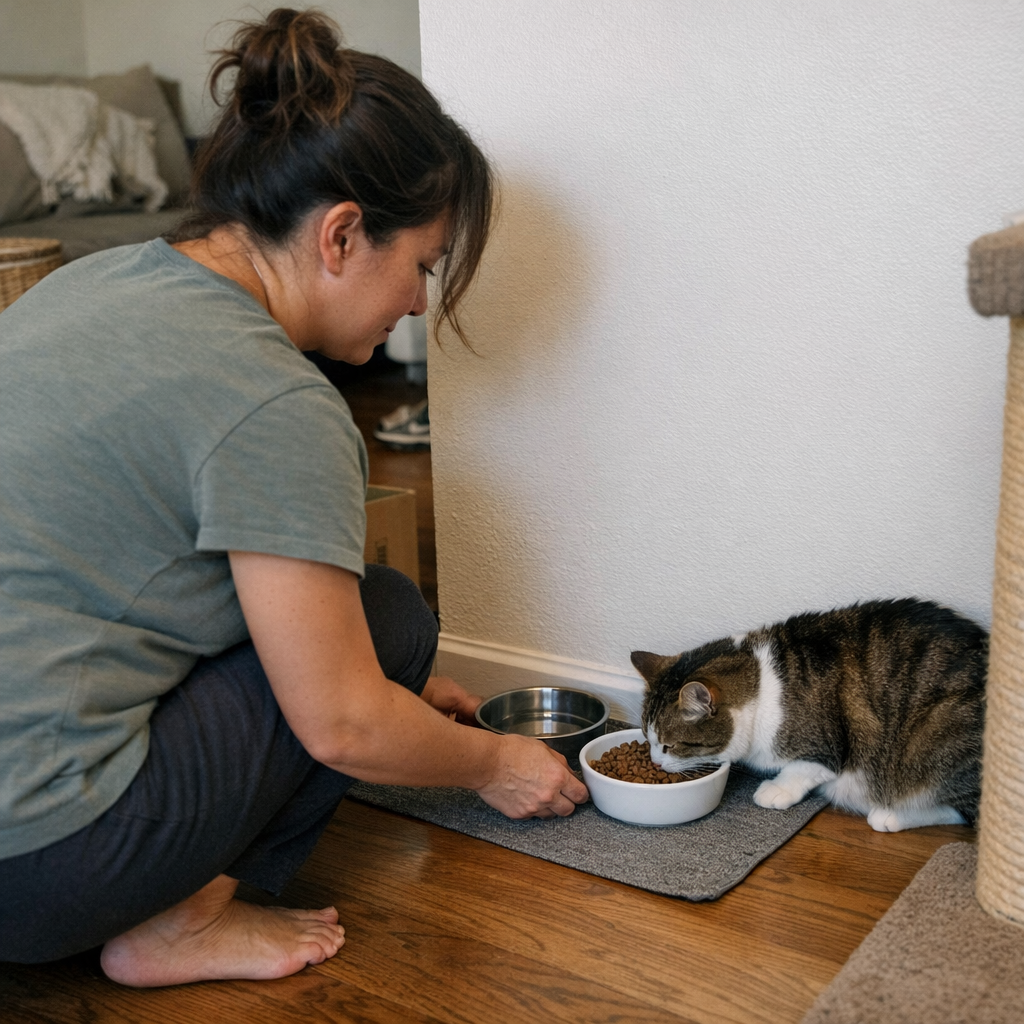
The setup looked organized: bowls on a shelf near the food, always clean and easy to reach. I thought it worked—a tidy system that felt practical. But with each dinner, I noticed the pattern: as soon as the bowl touched the countertop, everything slowed down. Our dog noticed it too. She edged closer, lingering just inside the kitchen threshold, subtle but steadily more insistent. Her movements formed a repeated routine—one paw stretched forward, then pulled back, circling again. It wasn’t drama, just a presence that grew heavier with each night.
The smallest trigger surprised me. Even if food wasn’t ready, the sight of the bowl alone started the routine for her, even while I tried to keep the flow controlled. I saw it in quiet family dinners that began calm but picked up a faint tension coming from the kitchen—tension that didn’t fade until bowls were empty and the hallway was free again.
What Happened When the Bowl Disappeared
It took over a week to shift things. By then, the routine was so settled that even thinking about change felt risky. Still, one morning I simply put the dog’s bowl inside a cabinet, leaving the shelf clear. No fuss, no ceremony. Out of sight until food prep was done. No quiet “ready” signal halfway through the process.
The change was subtle but clear. She still waited near the door but with less circling, fewer false starts. Without the bowl visible, there was no ritual at the threshold, no slow “almost time” crawl on the kitchen floor. Food prep stopped signaling the start of dinner and became just part of the evening.
I hadn’t realized how much space that freed. It wasn’t a matter of tidying but deciding what cue really kicked off the routine. The hidden bowl broke an expectation she’d built over dozens of nights—one I never meant to teach.
Routine, Repetition, and the Small Switch
Looking back, dog routines build layer by layer—details stack until the whole pattern becomes obvious, sometimes frustratingly so. Occasionally, making one part less predictable resets everything else.
The difference showed in the days that followed. Less crowding by the kitchen threshold. Quieter waiting. I started to spot which signals unlocked calm, not just anticipation—realizing setup is more than neatness and that location itself can be a trigger.
What stays with me is how easily one detail—where the bowl rests between meals—can change the whole tone afterward. Something that felt like a fuss turned into a simple, mostly invisible daily adjustment. Dinnertime is smoother now, and more of the evening belongs to all of us again, instead of looping around the same entryway.
Sometimes the best changes are ones you don’t have to think about anymore: more routine, less anticipation. For anyone interested, I found a soft place to start examining setups here: http://www.dogpile.myshopify.com