Finding Calm in the Chaos of Busy Sidewalk Walks
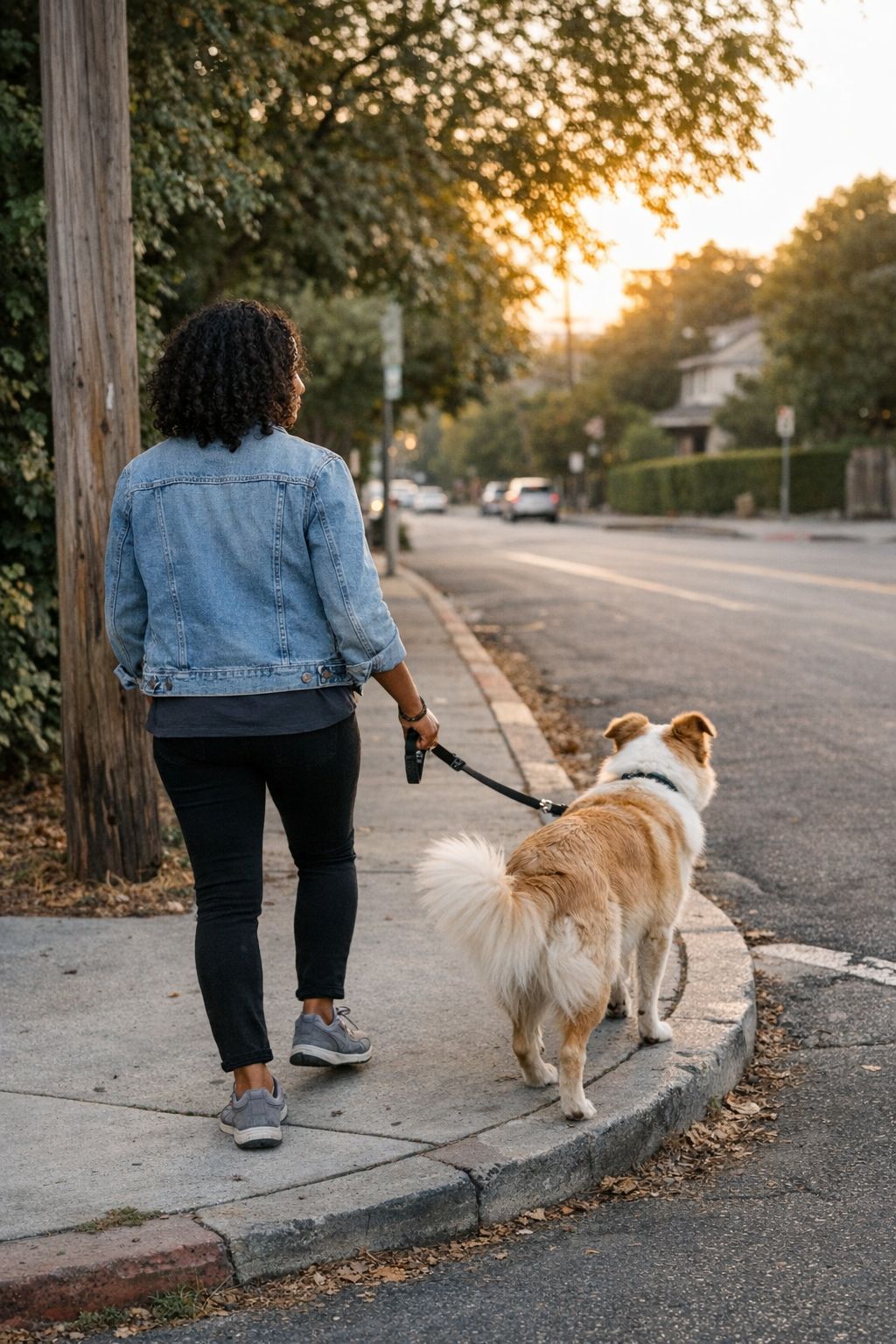
Moving pet essentials to reachable outer pockets smooths repeated stops, reducing friction and keeping momentum on crowded sidewalks.
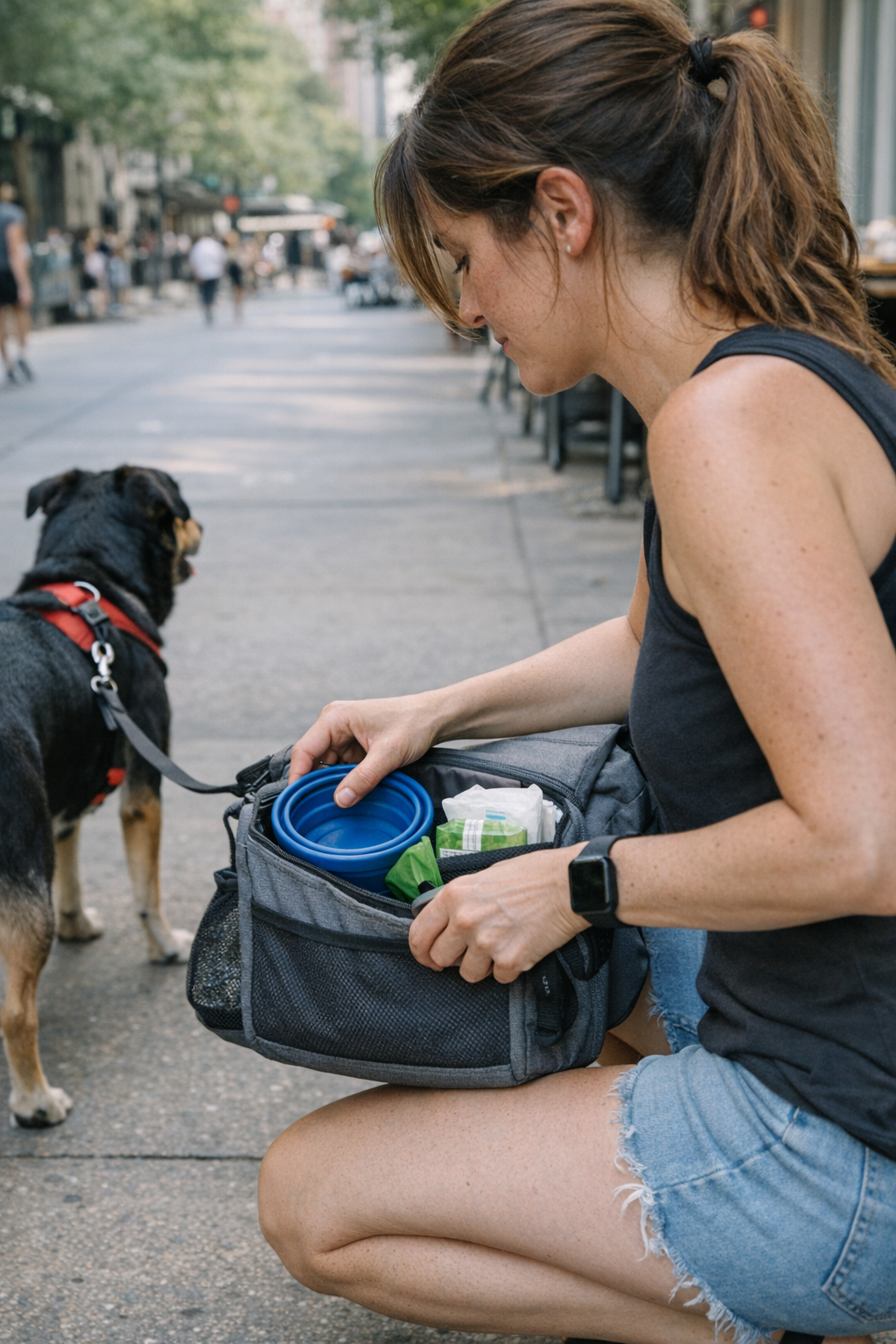
There’s a moment, usually around the second stop on a walk, when the good intentions behind your pet travel setup start to show their seams. At home, everything looked organized—straps coiled neatly, bowls tucked away, the pouch with wipes zipped on one side. But once you’re back on the move, juggling leash in one hand and fumbling in the other for something you meant to keep close at hand, the setup feels different.
After a few trips, the pattern emerges: digging through compartments twice removed just to find cleanup bags, tilting the bag at the wrong angle, knocking loose the spare bowl when you only needed the wipes. Every restart makes you wonder—has this really made things easier, or just rearranged the hassle into different shapes? The real test isn’t how packed your bag looks at the start, but how quickly you can get what the walk demands, again and again.
Small Interruptions
These interruptions tend to happen right at the edge of the crowded sidewalk, once you’ve left the rush behind for a moment of breathing room. It’s when there’s space to slow down, check the leash, or reach for water—that’s when a blocked pocket or stuck clip turns a brief pause into an awkward delay.
At first, the setup seemed fine: travel bowl in the insulated section, treats in their pocket, wipes folded just so. But real use isn’t about how it looks. The work comes in bursts—hydration here, cleanup there—all while managing movement and keeping your pet’s attention. You start to notice which pockets stay empty and which ones hide the things you always need.
One outer pocket usually stocked without much thought ends up carrying most of the daily burden. Your hand reaches for it again and again, and almost always finds what it needs. That pocket quickly becomes the quiet hero of every trip.
The Shuffle and the Fix
The original packing order lasts maybe one loop of the walk. After a little use, you begin to feel which details cause friction and which smooth it out. Any bag starts off organized; few stay that way after the first stop. You adjust almost unconsciously—not through grand strategy, but because a waste bag buried too deeply or a bowl awkwardly placed slows everything down.
I moved the everyday essentials—wipes, bags, bowl—to the side pocket that was usually empty, just to see what would happen. It felt like a small change. But the pauses at every stop got shorter. Cleanup became almost incidental, no longer blocking the flow of the walk. It’s satisfying to know your hand, motion after motion, just finds what it needs. The walk keeps going, less interrupted, almost without your noticing.
Return to Movement
The challenge isn’t the first pack; it’s the repeat. Crowded sidewalks amplify every delay, and reaching too far for basics turns small tasks into full stops. What really lasts isn’t a symmetrical setup, but whether your most-used items stay put, within easy reach, carried smoothly from one break to the next.
Pet travel routines rewrite themselves block by block, walk by walk. Often, the difference comes down to making the next pause or restart simpler. For me, the real comfort began when the things I needed stopped hiding from my own hand.