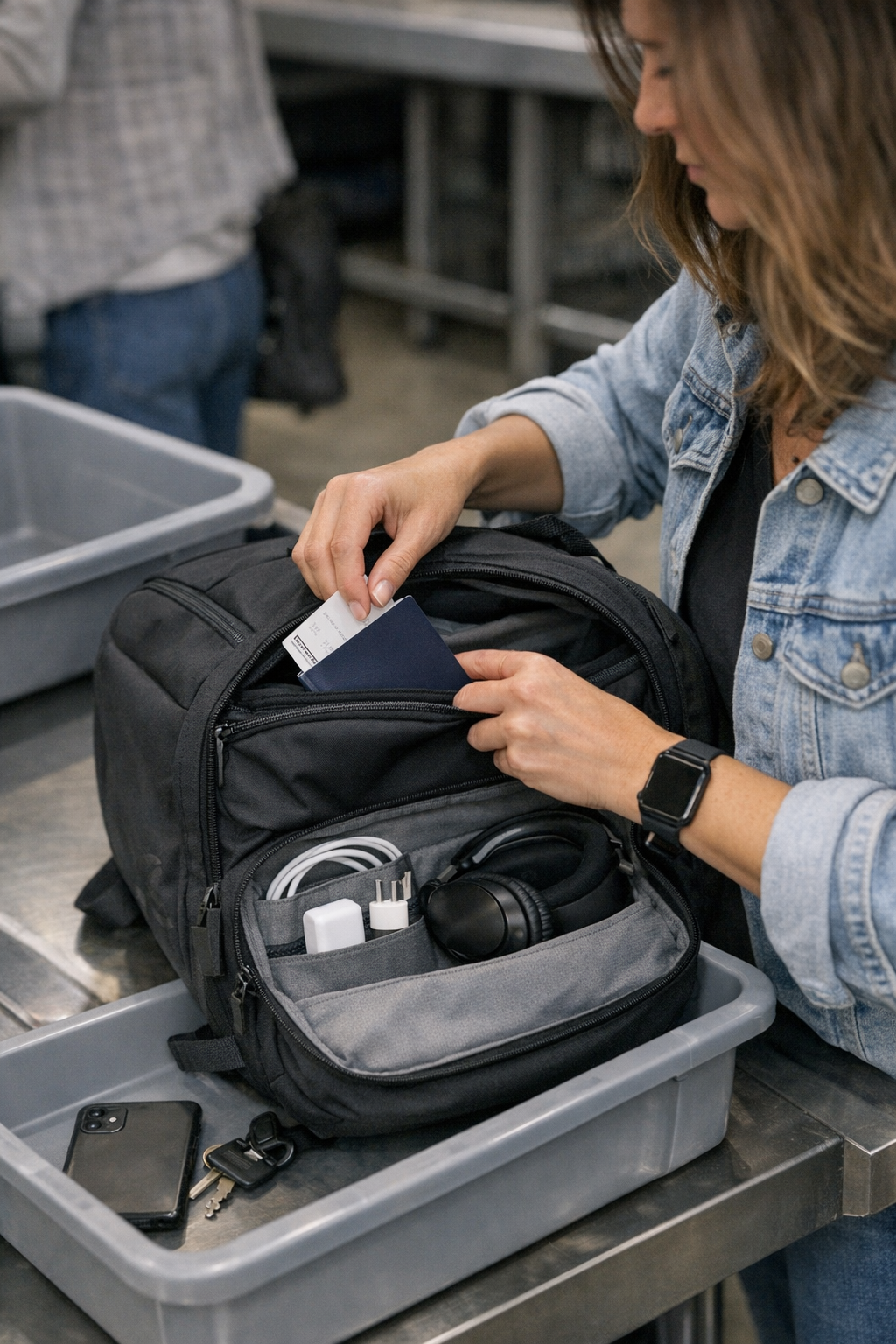
Finding Calm in the Chaos of Everyday Car Routines
Assigning visible sections for essentials reduces interruptions, making drives smoother while hidden storage causes searching and delays.
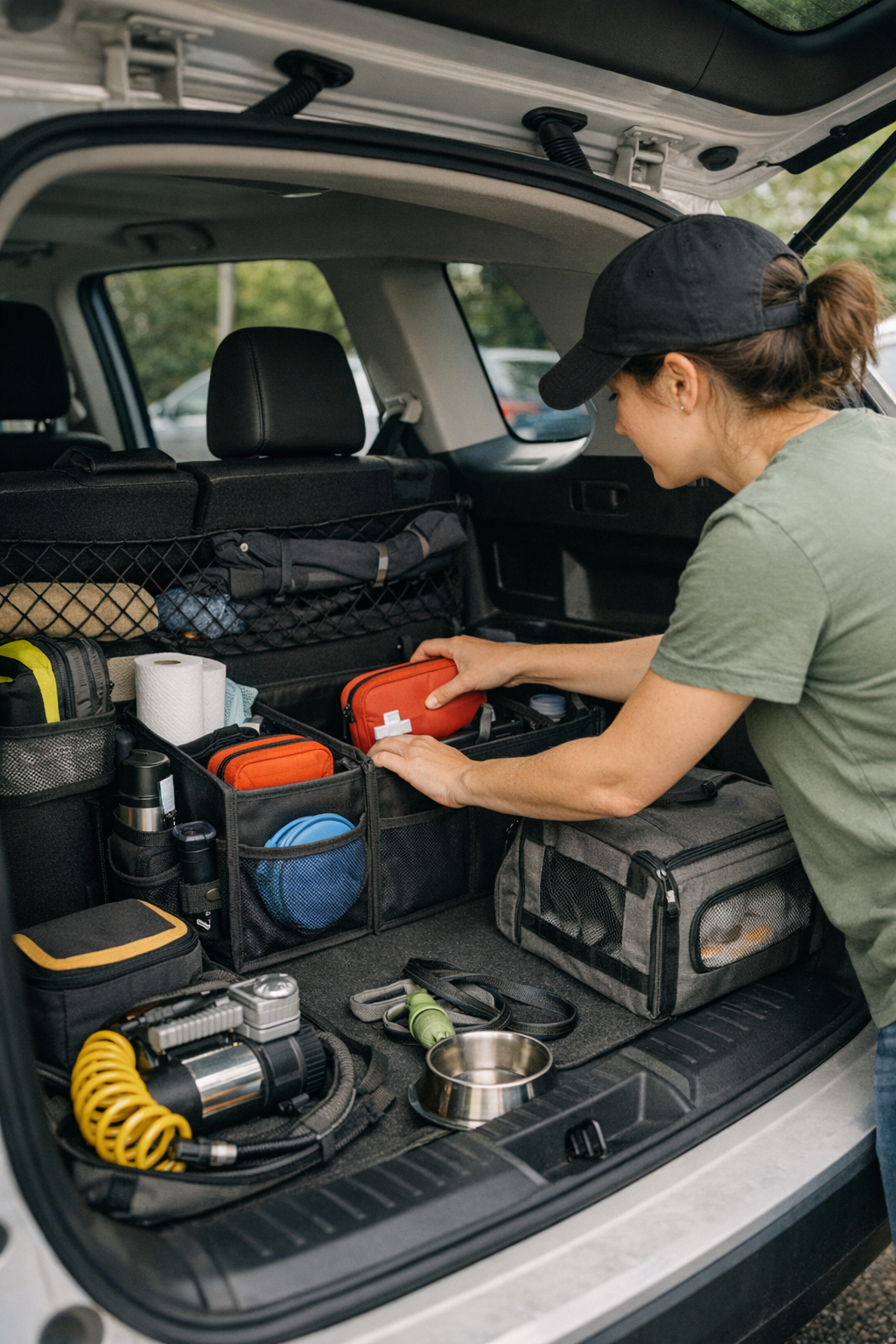
For a while, I convinced myself the car was in good shape. The seats stayed clear, the footwells looked clean, and everything had its place—at least in theory. But then real life tugged the edges loose. I’d hop in for another short drive, and somehow the charger cable would have drifted just out of reach. Wipes slid into the footwell. The emergency kit was there, but pushed behind an old jacket. It all looked fine at first, but each return showed something else undone.
It wasn’t a big inconvenience all at once. More like a loop of small hesitations—grabbing for a phone that’s gone missing again, patting blindly beneath the seat for a charger that slipped away during a stop. These things only took seconds. Still, with every repeated trip, those seconds kept stacking up, quietly reminding me that “organized” can mean “hidden” as often as it means “easy to use.”
Everywhere and Nowhere
You notice it after a few trips. The places I trusted for a quick stash—a door pocket, a sealed center console—worked well until I really needed what was inside. One morning, I reached for wipes in a hurry and found them blocked by a spare mask, folded awkwardly deep in the door.
The charger wire, stretched just enough to work, always seemed to vanish beneath my bag on the passenger seat by the next outing. I started feeling a little sheepish: how many times had I “put things away” only to lose time tracking them down later? The difference kept showing up.
Assigned Homes Make a Difference
It took a while before I tried it—giving each essential its own, clearly visible home. Not a buried bin, but a spot I could reach without looking. I looped the charging cable through a fixed port near the console’s edge and dropped wipes into a shallow caddy beside the passenger seat. Nothing dramatic changed, but the way the cabin worked did.
One quiet, practical side effect: I stopped having to negotiate with the car. Getting ready for a drive meant fewer lost seconds, less awkward shifting around. What I needed was right where my hand expected it, even on rushed mornings or after errands with the back seat full. The trunk still collected bags, but the small routines—the repeated tension points—finally let up.
Order That Survives Real Use
There’s a kind of comfort in a car that actually keeps up with you, not just one that passes a quick clean test. The setups that lasted weren’t hidden organizers or clever compartments, but simple open spots that stayed put after a week of normal use.
Even after a string of errands, grabbing the charger or wipes took no extra thought. The car wasn't showroom tidy, but life moved through it without adding friction. That was the part that kept coming back—the sense that things stayed usable, even as real days shuffled everything around.