Finding Calm in the Chaos of Pet Travel Stops
A single, reliably placed home base pocket for pet essentials makes frequent stops and resets faster, reducing travel interruptions.
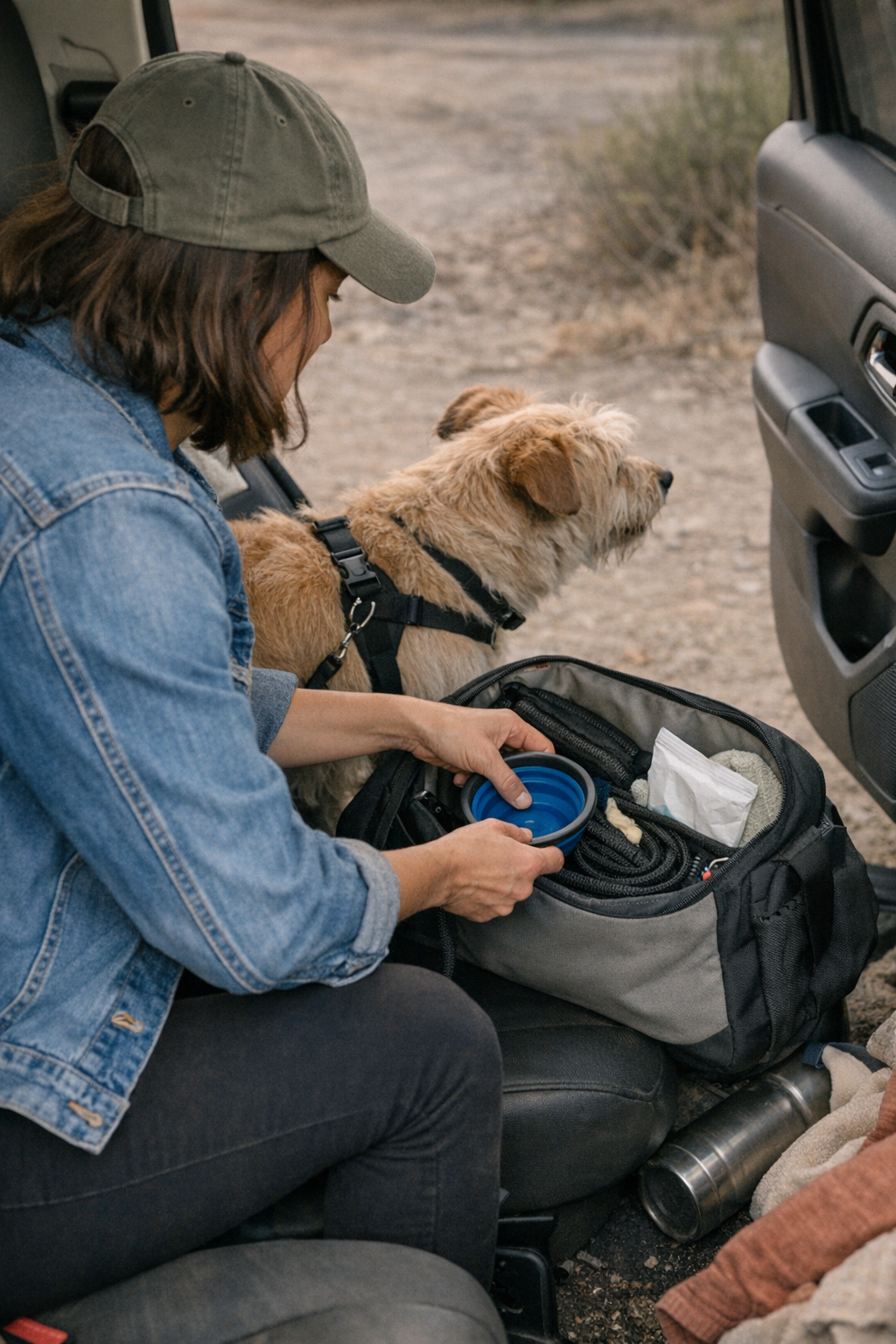
You start to notice it after a few trips, usually by the third or fourth stop for the dog. Even with the best intentions—a pet travel bag with compartments, a spot for every bowl and wipe—there’s a gentle, nagging friction. At home, packing feels organized enough. Yet as movement becomes routine—door opens, dog shifts, something spills, someone waits—it’s suddenly clear: the setup that looked so tidy keeps you stopping, searching, and shuffling instead of moving smoothly.
It almost doesn’t matter how fine the materials are or how clever the pockets claim to be. The real difference isn’t what fits, but what you can actually reach when the car pauses or the leash slips behind the seat. At first, I thought maybe I just had too many things. But what kept showing up wasn’t clutter—it was how essentials slipped just out of sequence, just out of sync with the flow of repeated getting-in and getting-out.
The Shifting Line Between Organized and Actually Ready
Most divided setups look great when still. Leash in one side pocket, bowl stowed at the bottom, wipes zipped away so everything feels minimal. But that's typically where it unravels.
Something shifts by the second or third outing. A treat pouch wedges against a comfort toy and blocks the wipes. Cleanup bags migrate beneath a rain jacket. The routine of stop, unbuckle, retrieve, reset—actions that should be automatic—becomes a tangle of hands and flaps, items slipping just past fingers while a wet nose nudges deeper into the car.
You notice it after a couple of uses: organization at home isn’t the same as readiness on the road.
How Small Interruptions Compound
It looked fine at first. Walking out, it’s tempting to think the carrier’s order will last through a day of errands, rest stops, or a loose afternoon at the park.
But the difference keeps showing up on quick stops—the parking-lot moments when a leash slips behind a blanket or wipes settle just beneath a mesh divider. Usually it’s when both hands are full or your pet is wriggling and you’re moving quickly. Each extra second spent picking through bags or moving something out of the way quietly piles up.
That’s when restarting movement feels heavier than it should.
When the "Home Base" Shifts Everything
After getting snagged enough times, I stopped splitting gear between too many pockets or organizing strictly by category (owner on one side, pet on the other). Instead, I pulled everything that mattered for quick use—leash, bowl, thin pack of wipes—into a single section at the seat-side edge of the bag.
It’s not flashy, but what changed was subtle and cumulative. Pulling up to a stop, I could reach the leash and bowl without thinking about which flap to unzip or whether something shifted during transit. Resetting became lighter—less shaping things back into compartments, more a single sweep, then ready to move.
The bag didn’t need to look perfect after every pause; it just had to let the “reset” happen in one movement.
Familiar messes still appeared, but less often in the spots that slow you down. The comfort-vs-access tradeoff faded. Routines demanded less energy to keep together.
Somewhere along the line, I realized the setup that’s easiest to move with is the one that feels almost invisible when you need to use it most. That’s probably the only thing I’d keep repeating.
There are a few setups worth seeing for this reason—quietly worked out here: http://www.pawgotravel.myshopify.com