Finding Calm in the Chaos of Yard Storage
Yard storage works long-term if it supports easy access and unblocked movement. Wall setups reduce clutter and reset fatigue.
You usually notice it on a weekend afternoon—right when you’re trying to put things away at the end of another busy day outside. What began as an organized outdoor storage setup can start feeling like it’s working against you. Maybe a walking path gets crowded, or you have to move old bins around just to return a rake. The trouble with most yard storage isn’t how neat it looks at first—it’s what happens after, when repeated use and routine chip away at that initial order.
Where Clutter Actually Starts
I used to think the main challenge was just having enough bins and chests to hold everything. But that was only part of it. The real test came when gear started moving in and out more often—after long afternoons with garden tools, sports equipment, bikes, and whatever the day required.
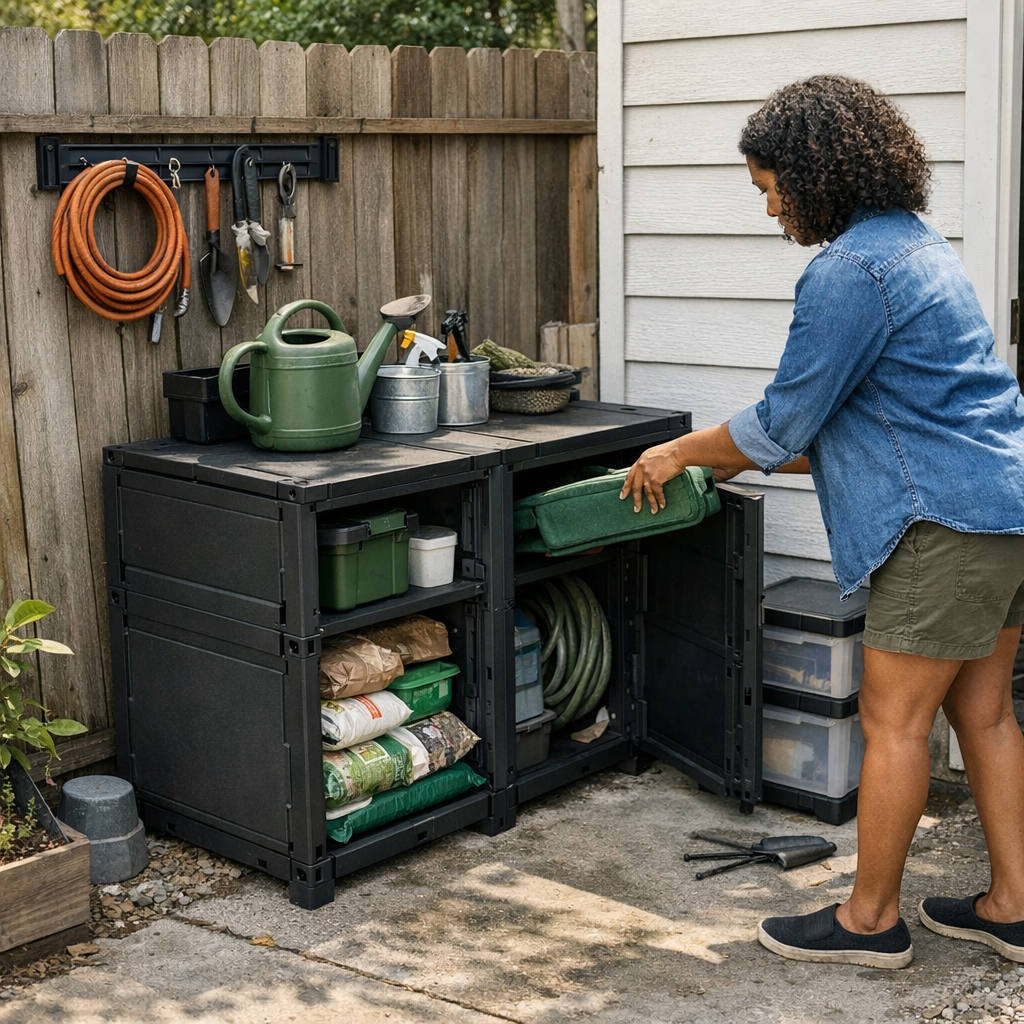
It didn’t take long to see that when a storage unit blocked a walking path, or when I had to dig behind one thing to reach another, the friction always added up. The temptation to leave things out grew every time the return path home felt more complicated than it needed to be.
You don’t notice it immediately. But you feel it.
The Small Shift That Changed More Than It Seemed
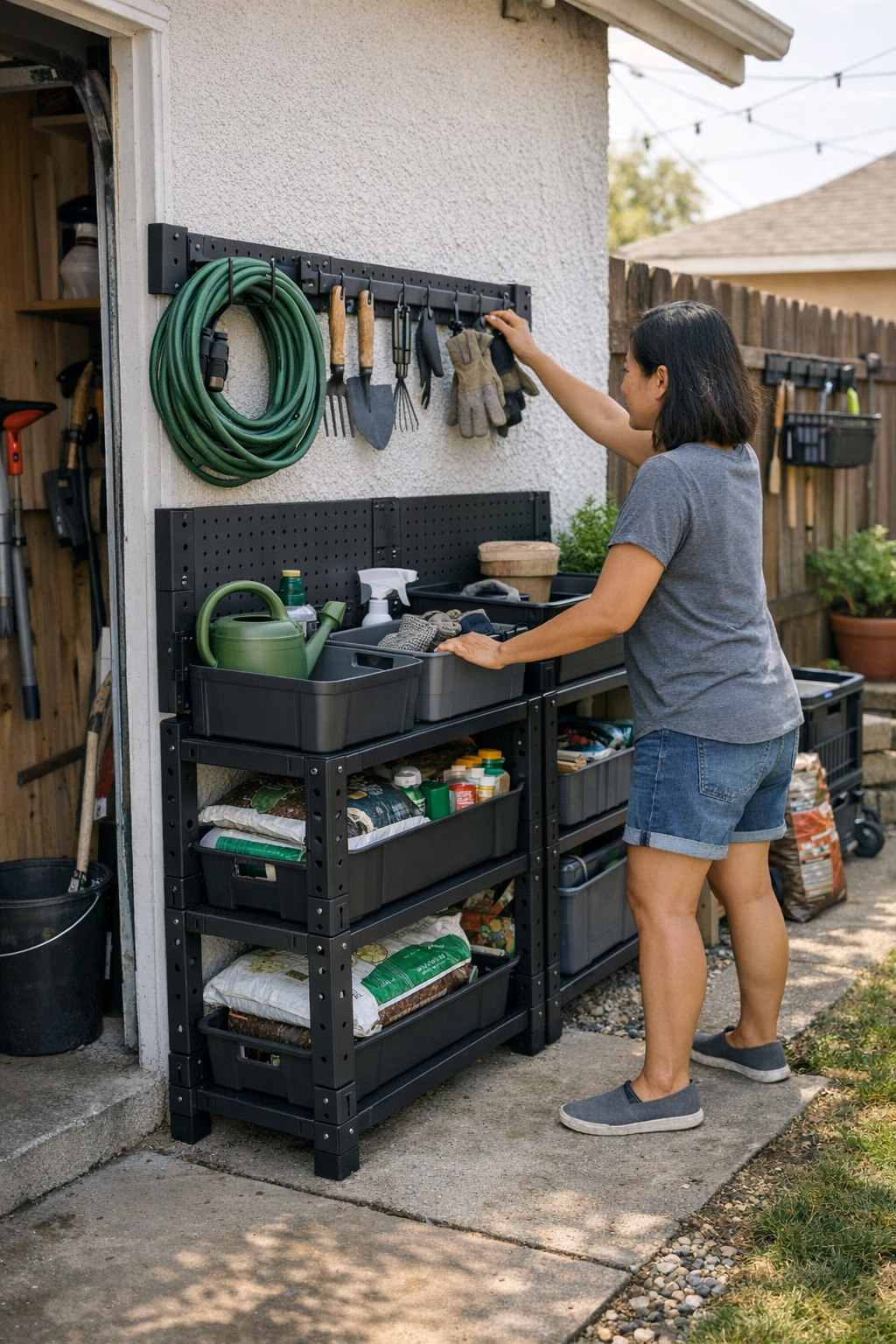
The breakthrough wasn’t a bigger storage unit but a subtle, quieter change: swapping a ground-level chest for a slim wall rack next to the garage. It reclaimed only a foot of floor space, but it opened a path that had become impossibly tight. Suddenly, every return at day’s end took one less step. Rakes and hoses found a place that didn’t block movement but stayed close enough to feel effortless.
Over time, I noticed how the boundaries between storage and walkways held up. No more piles spilling onto the pavement or bottlenecks by the door. Practicality wasn’t about fitting more—it was about making the process less demanding day to day. That’s the part I kept coming back to.
The Quiet Value of Open Movement
What surprised me most was how easy it became—how routines stayed simple and the space felt lighter. If I could reach something without adjusting, lifting, or shuffling other items, I was much more likely to put it away again. The difference showed up not in sparkling order but in the absence of slow-growing piles or messy resets.
There’s real value in storage designed around movement—storage that doesn’t demand your attention because it works with how you move. When you don’t have to think about it, order lasts well beyond the first tidy setup. Even a small shift toward clearing floor space or smoothing the return path changes the overall mood of daily use.
These reflections began last spring while working on the side yard, with some help from this setup. It’s a reminder that in small-yard organization, how storage units and wall systems behave under repeated, mixed use determines whether the space stays functional or starts pushing back.