How Shifting Weight Changed My Garage’s Everyday Flow
Placing heavier items low on shelving improves stability and routine use in garages, preventing wasted space and keeping access clear.
There’s a strange comfort in seeing a row of neatly arranged shelves, everything squared away and orderly. It promises a workspace where tools and gear won’t get lost in clutter. But this calm rarely lasts once real work begins. In garages, workshops, and other utility setups, the way we stack and load our shelves becomes obvious not when we look at them, but when we need something. That’s when the invisible quirks—wobble, awkward reach, shifting bins—step forward. A shelf’s design and its actual use quietly shape the day’s rhythm.
The Moment You Notice the Sway
It’s easy to miss at first.
A shelf feels solid in the quiet—until you reach for a heavy box overhead and sense the entire frame lean, just a little. It’s subtle but unmistakable, a reminder that order on its own is fragile. Most of us don’t consider the weight of items until something rocks or threatens to tip. It doesn’t disrupt your routine immediately. But you notice it.
In my own garage setup, the racks looked fine, bins and gear lined up precisely. But every trip up the stepladder, every tug at a box from above, chipped away at the shelf’s steadiness. The busyness of daily use exposes what neat appearances can’t conceal.
The Small Shift That Makes Everything Work
There was no big overhaul.
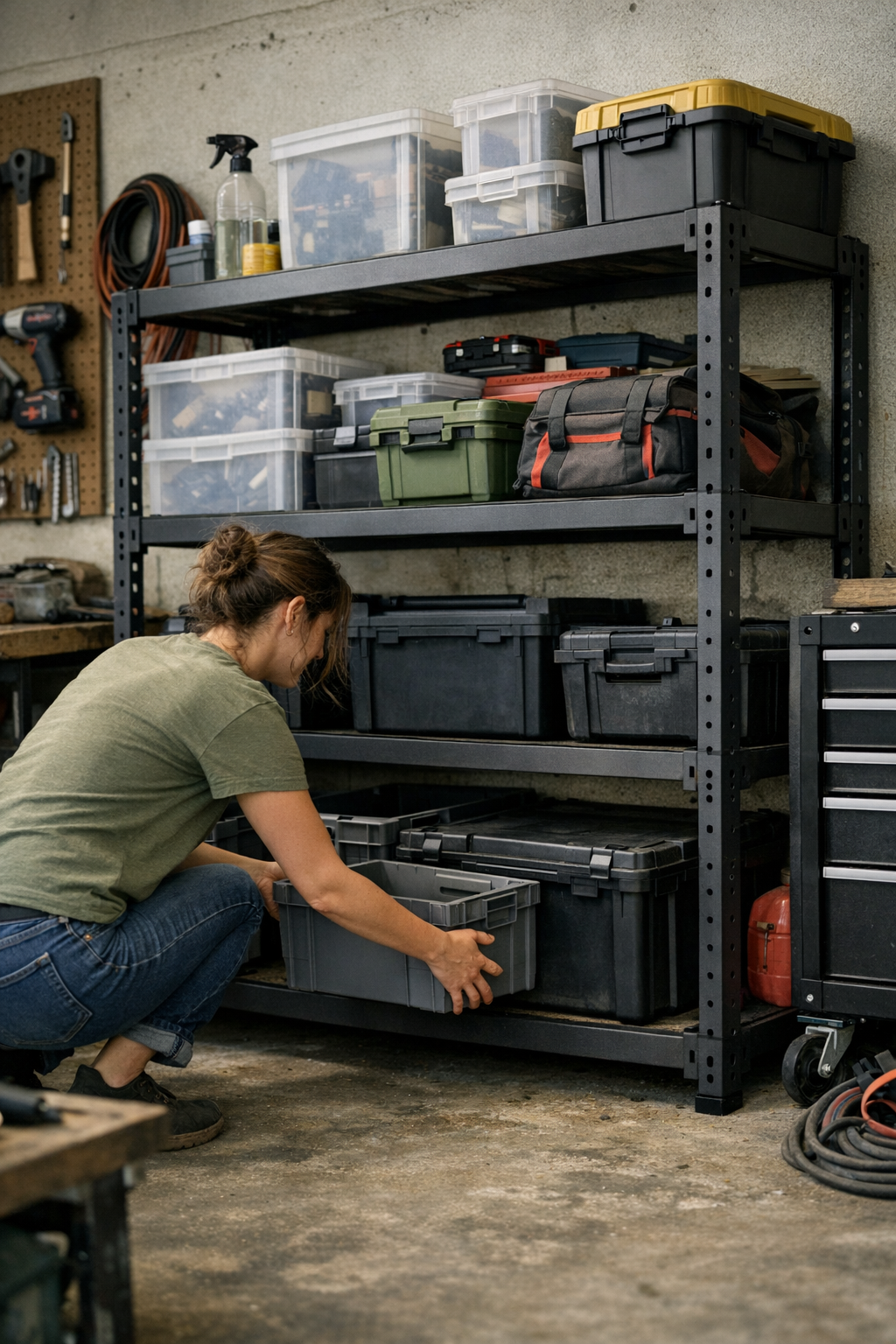
One evening, after yet another round of shuffling bins and nudging the shelf back into place, I made a simple change: I dropped the heavy gear to the bottom tier and moved lighter odds and ends to the higher shelves. Just swapping what sat where, without fanfare.
The difference was immediate. The shelf felt anchored. That strained balancing act disappeared.
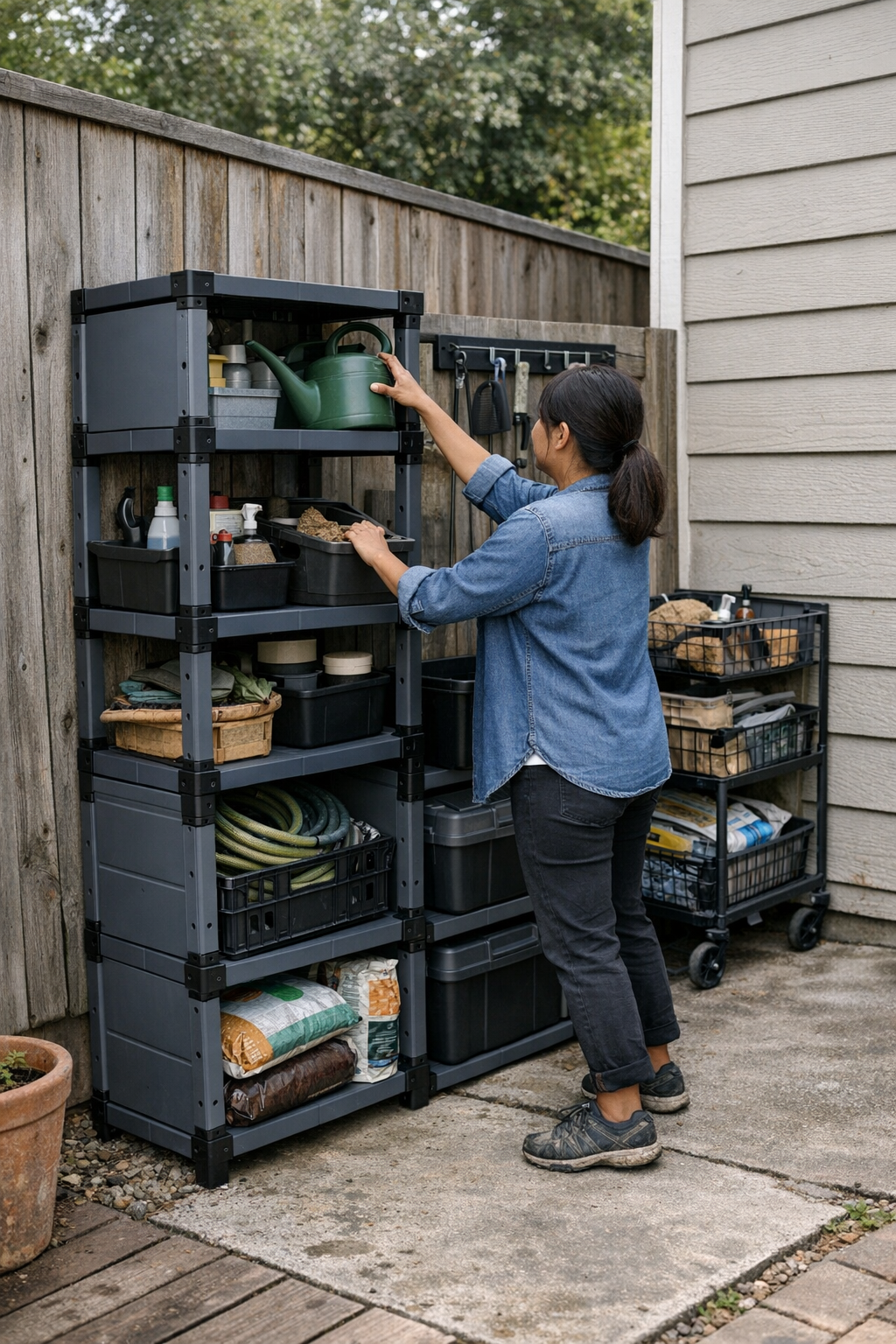
Stability really does start from the ground up. If grabbing something makes the whole unit shudder, or if your instinct is to steady shelves with a spare hand, the weight is working against gravity. This small act—putting the heavy bins lower—settled everything else. The workspace opened up when I no longer had to anticipate a wobble or brace for imbalance.
Routines Quietly Improve When You Stop Battling Your Storage
You might not notice it right away, but routines change. There’s more room to move. Fewer things block the path. Corners that used to collect piles stay clear. The act of resetting the shelf after a day’s work fades into the background. Instead of endless stacking and restacking, I found myself letting the system work for me.
The right weight distribution didn’t add new shelves or shiny surfaces. But it subtly transformed the garage setup—less wasted motion, fewer surprises, and more time spent on what actually matters. All it took was shifting a few bins lower to reveal what was missing all along.
These thoughts came together while finishing a small home project; you can explore more practical garage storage ideas here.