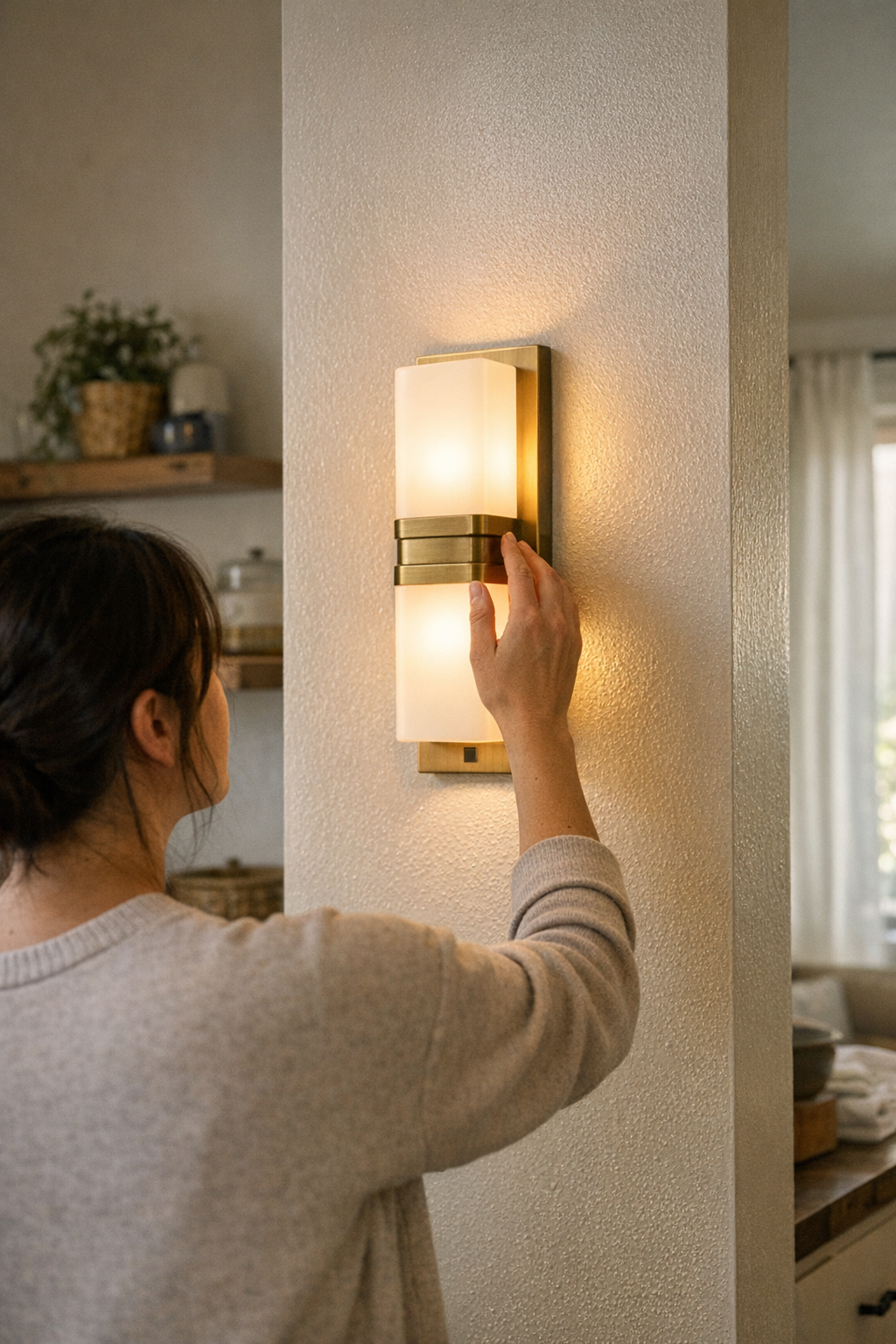
Living Lightly: How Slim Fixtures Change Small Spaces
Slim, low-profile lighting with good support preserves space, reduces obstacles, and keeps small homes uncluttered with clear, stable coverage.
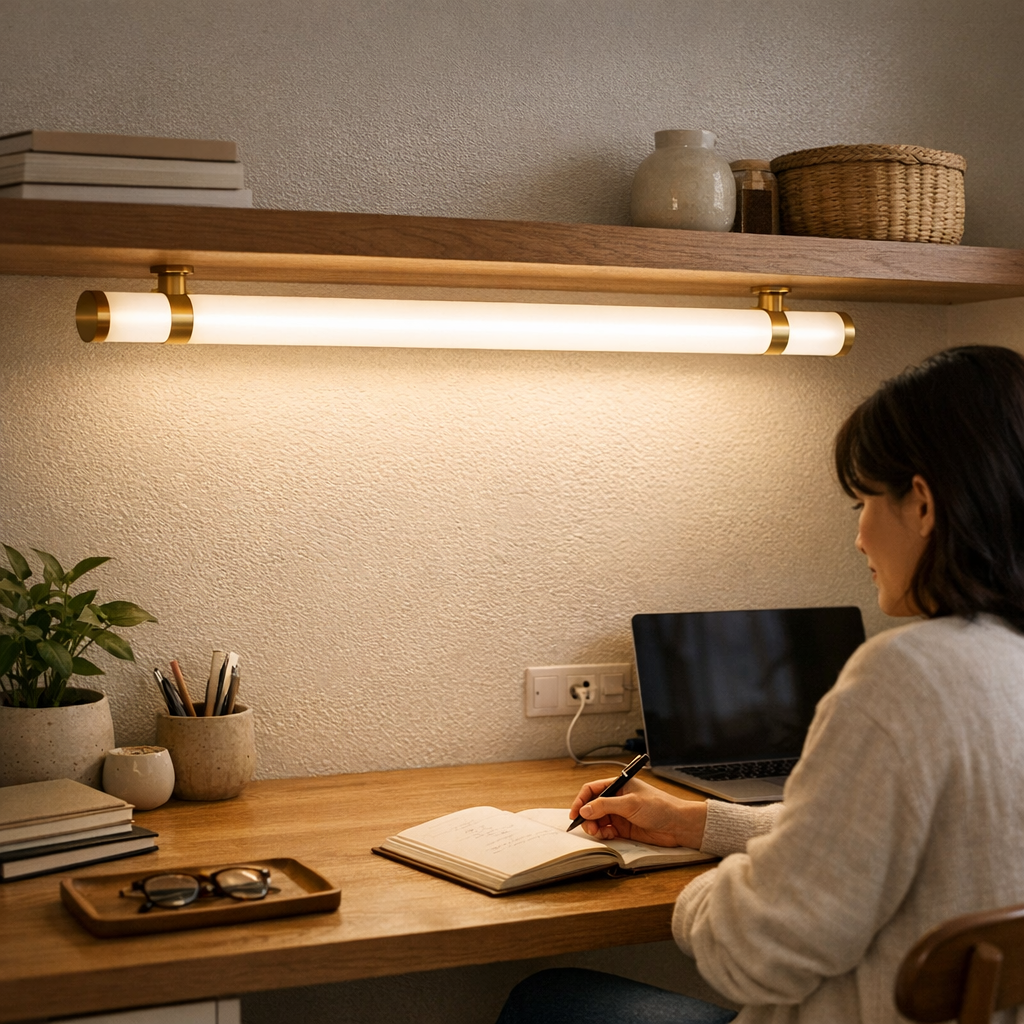
Some corners in a home shrink slowly, not because of clutter, but because of the lighting and support solutions we add to make them easier to use. Desk lamps with heavy bases, standing lamps that lean a little too close, and panels that promise coverage but leave a tangle of cable winding its way across the floor. At first, these become part of the room—necessary objects pulled in for function or comfort. But over weeks, these shapes and cables start to feel like obstacles you’re always sidestepping.
I thought that lower-profile lighting would mostly change how the space looked, but it quietly shifted how the space worked instead. Work surfaces stayed clear. Edges felt lighter. Even the air moved differently around table legs. It’s not always dramatic; it settles as a kind of ease that grows when you sit down to the same spot every day.
The Edges That Disappear
You don’t notice it immediately.
A bracket jutting out from under a shelf or a long desk lamp cable crossing under a chair becomes scenery. Then, one night, a hand bumps the bracket again, or a cable drags across your papers, and the mess becomes visible not by sight, but by touch.
That was the part I kept coming back to. How even a small change—mounting a thin LED panel higher or tucking a power line out of view—could be the difference between leaving a surface open or always nudging something aside.
Sometimes the Room Fights Back
Over time, light that doesn’t reach edges leaves its own marks. Pens disappear into dim corners. Stacks of notes land in half-shadow. Shared desks collect shadows and clutter along the back lip where a lamp or under-shelf light gives up too soon. In a narrow kitchen, cables that hang down or twist around outlets become something you dodge repeatedly.
None of this is startling, but it adds up. Space feels smaller—not because it physically changed, but because lighting and support choices made it harder to use what’s there.
The difference appeared when I stopped accepting bracket shadows or cable loops as facts of the room, and began tracing how light moved across counters and tables—where it landed, where it stopped, and what slipped into darkness. Choosing a slim fixture helped, but what really solved it was routing cables tighter and mounting the light close to edges until the illumination ran steady from one end to the other.
The Quiet Gain
It’s odd how the room stays the same size, but usable space grows.
When a panel stretches cleanly across a shelf or a hallway light runs flush along the wall, surfaces clear. No more cables slipping out or curved bases hiding in corners. The breathing room is subtle, but it’s there.
I’m starting to think the best part of low-profile lighting isn’t just how invisible it looks, but how little it demands later. There’s less to clean around, fewer shadows to chase, and nothing left to trip over. The relief is mostly that you stop thinking about it altogether.
For a few more details about these setups, I sometimes look back here: http://www.lightsupport.myshopify.com