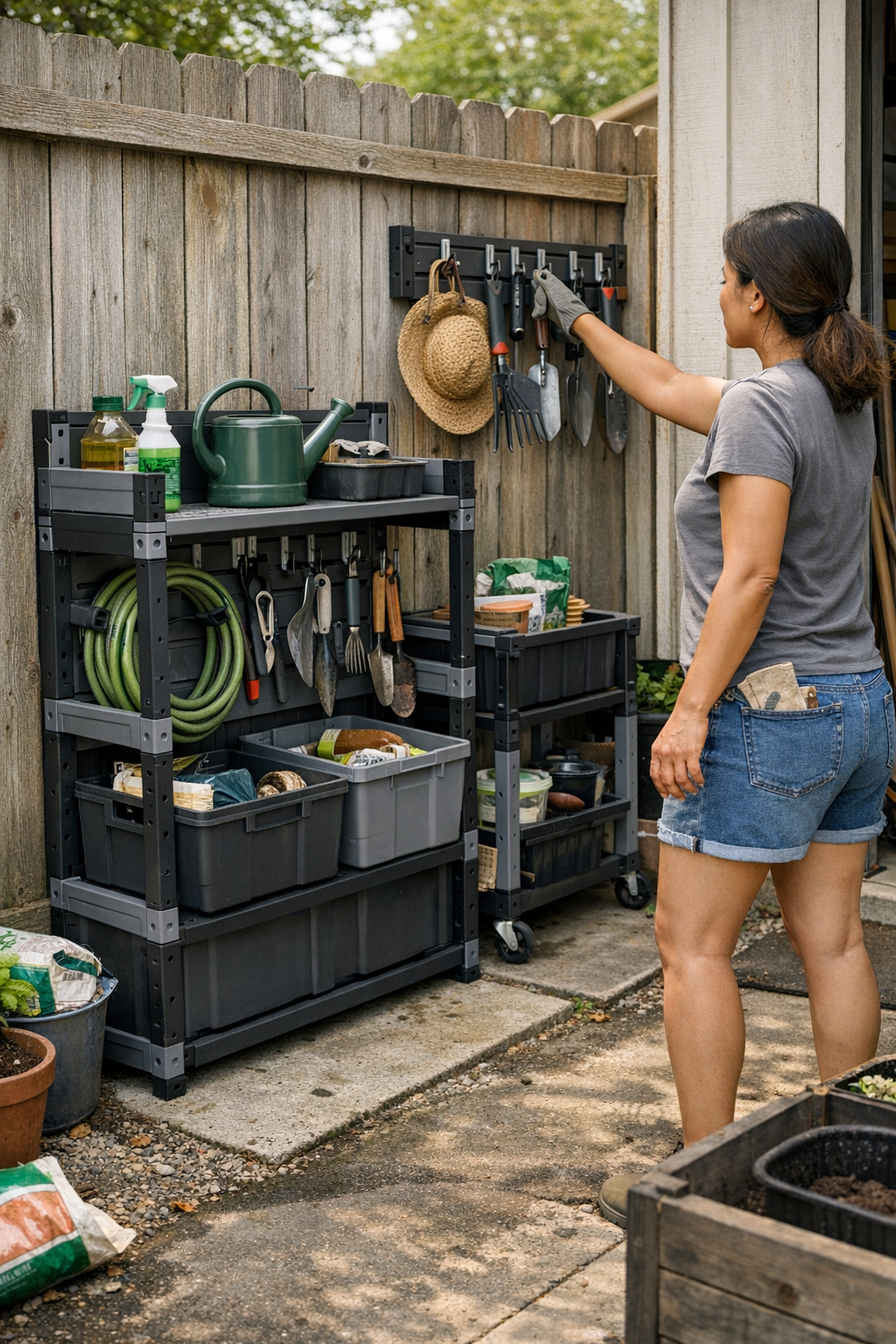
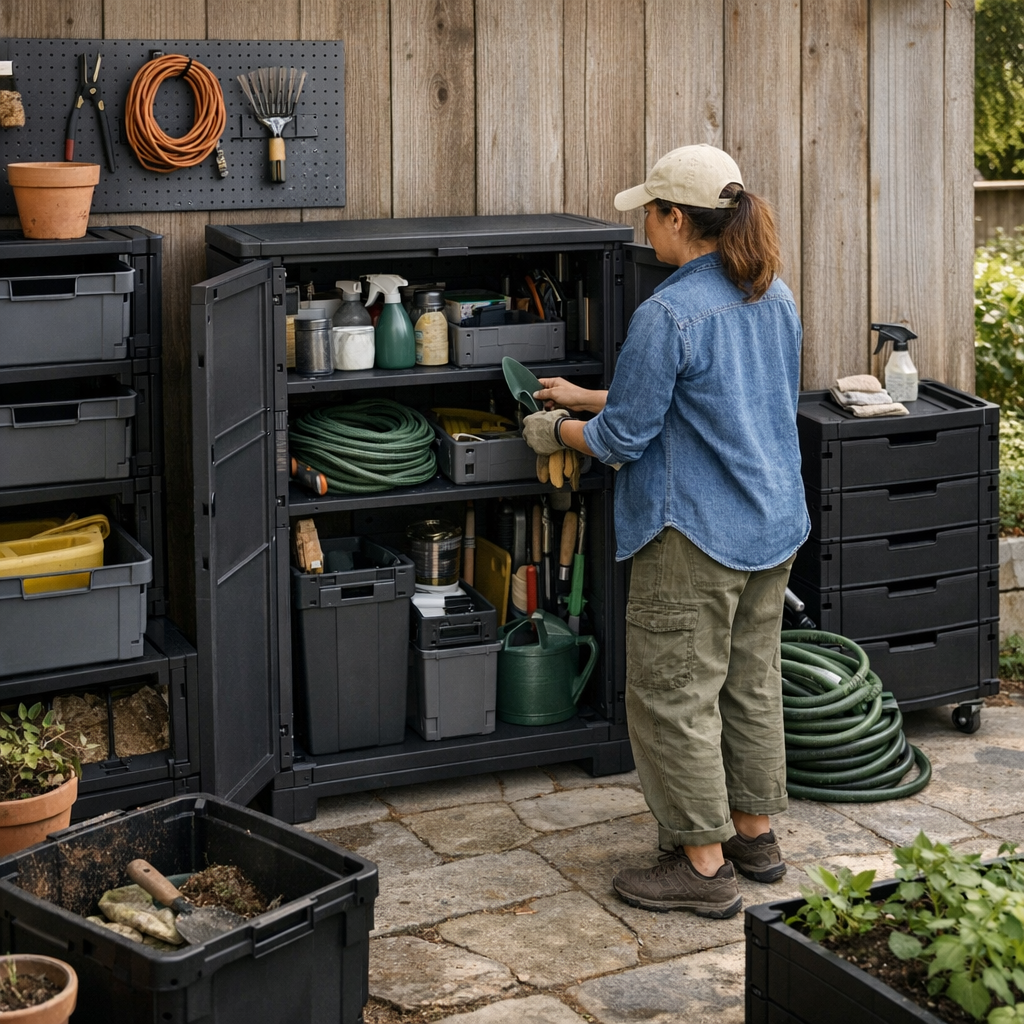
Living with a Wall That Finally Keeps Its Promise
Wall systems with clear physical limits outperform neat-looking setups; a single divider stabilizes return flow, prevents overflow, and boosts reliability.
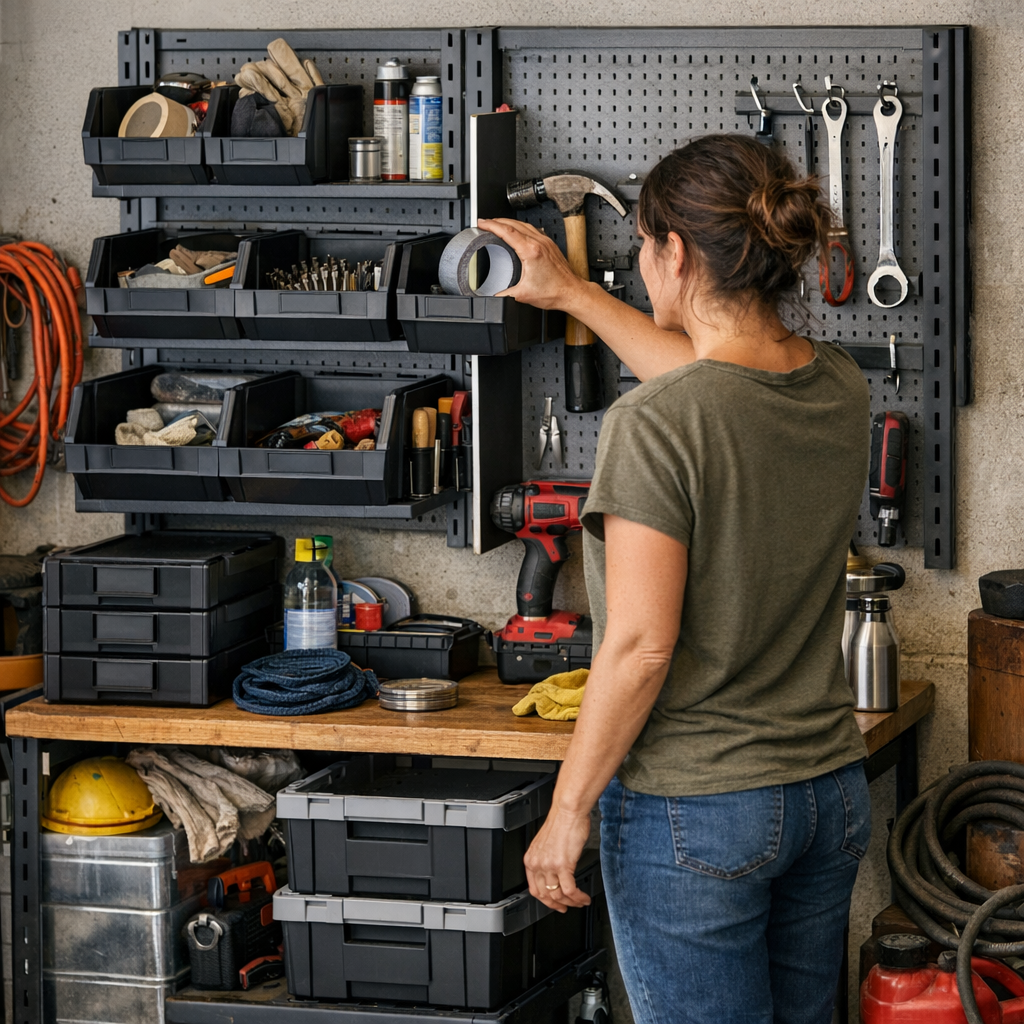
You don’t usually notice storage starting to fail — until it quietly interferes with your daily routine.
Most of us begin with good intentions. Maybe you spend a Sunday setting up pegboards, sorting bins, labeling every tool down to the last odd screw. For a day or two, it feels complete; order settles in. Then comes the real challenge: a week of work, people moving in and out, projects progressing.
The change isn’t obvious immediately, but you feel it.
Where “Order” Really Begins to Fade
Those neat rows and matching containers look satisfying at first. There’s hope that everything will stay where you put it. Yet somewhere between grabbing a tape measure and returning a box of screws, the lines start to blur. Items shift out of place. Tools drift, and categories spill over.
Overflow appears subtly—a hammer left on the nearest shelf, bins stacked two-high in a corner. Return flow slows. You find yourself searching for what was once obvious.
No one warns you that the first sign of a struggling storage wall is hesitation. The system doesn’t show cracks yet, but you begin working around it.
The Edges That Hold Everything In Place
One quiet morning, I noticed how a single missing divider allowed small tools to trespass into neighboring spaces. There wasn’t a mess—just a slow drift, a screwdriver’s width at a time. Adding a thin board, no wider than a ruler, stopped the sideways creep.
It’s almost too simple: the difference between a wall that encourages clutter and one that quietly limits it comes down to boundaries you can see and feel. Some setups are all grid and no restraint—holding tools but offering nothing to guide routines. The best ones teach you where to stop without saying a word.
Clarity comes from how divisions break up the space. One glance shows where something belongs. Returning items becomes natural, and needless sorting nearly disappears. Movement stays easy.
When Walls Start to Work for You
A storage wall that truly works isn’t the one you admire on day one—it’s the one you don’t think about after a long week. Overflow quietly stops at solid edges. Categories keep to themselves. There’s less shuffling, less searching.
Your workflow changes. You stop improvising. Cleanup fades into an effortless habit. A single added divider, a slightly narrower zone—these small adjustments turn daily reset from chore into routine.
This is the difference: a wall that only “looks organized” demands constant attention. One that’s quietly divided offers relief, letting your focus return where it belongs.
Sometimes, small boundaries bring the greatest calm. The real test of storage is how little you have to think about it after use.
These thoughts came to life while reworking one stubborn garage wall using modular, wall-mounted, and floor-based storage solutions common to StackNest’s setups.