Living with Change: How Flexible Zones Ease Outdoor Clutter
Fixed layouts soon block paths and spill over in changing outdoor spaces. Flexible zones with clear boundaries ease movement and reduce repeat effort.
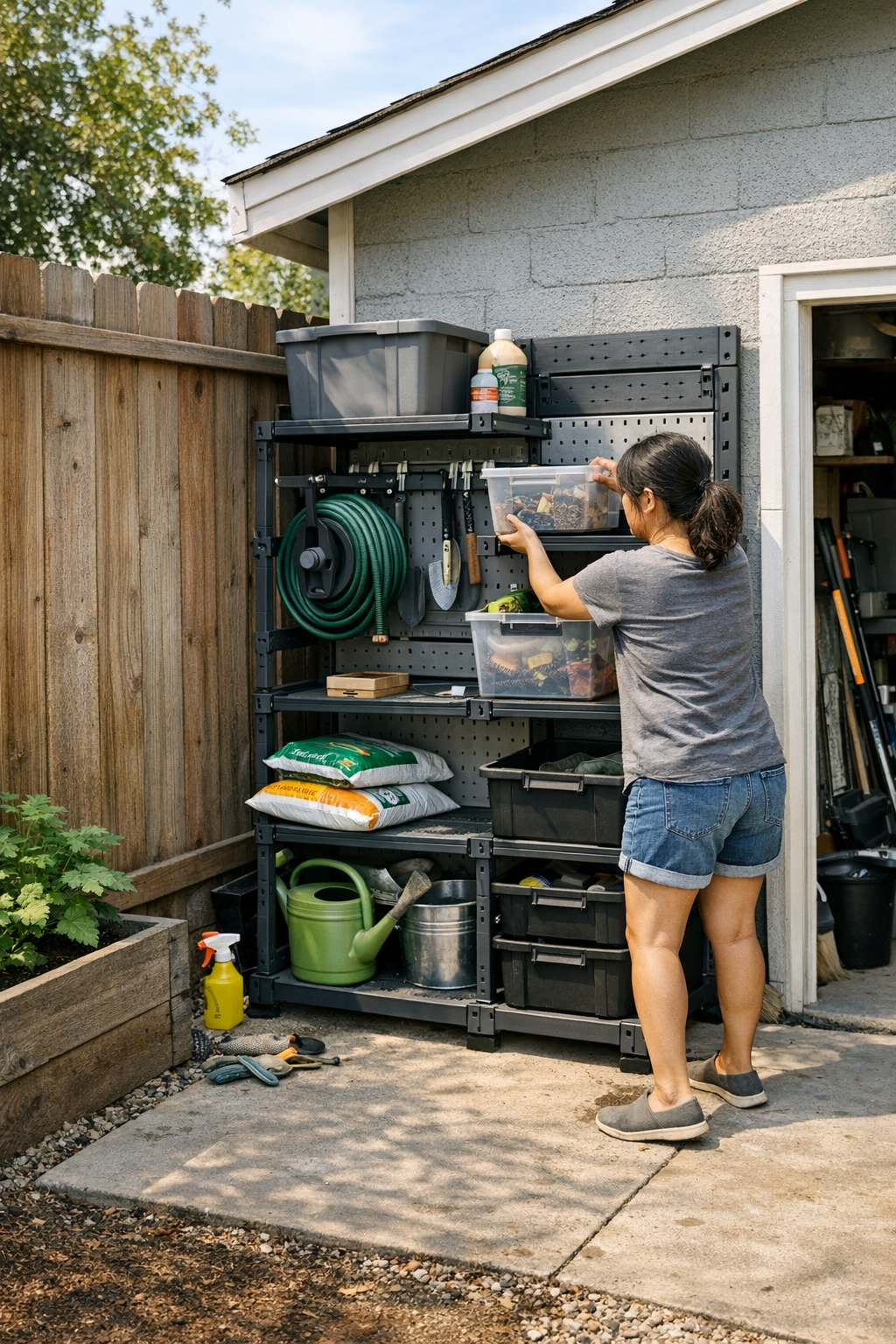
I used to think outdoor storage was a one-time decision. Arrange everything right, draw crisp lines, and the mess would hold off for good. But rarely does it work out that way. Before long, garden tools migrate, a skate ramp squeezes in, boxes get stacked—and what was once a clean plan becomes a slow-brewing source of frustration. Small outdoor spaces, especially side yards, are constantly negotiated as seasons shift and routines disrupt old arrangements.
It’s easy to overlook the gradual effects of small blockages. It starts subtle. You set a shovel by the fence “just for now.” A summer toy lingers in the walking path for weeks. I noticed that my side yard—a narrow walkway designed to hold bikes, hoses, bins, and odds and ends—kept closing in on itself. Every shortcut got longer as I skirted around piles that never quite belonged.
I kept asking myself: What really keeps a space like this usable—not just tidy enough for a photo, but workable every day?
Fixed Boundaries and False Calm
There’s undeniable comfort in fixed layouts. Everything has its place initially—a wall of hooks, a strict row of bins, a shed with shelves mapped to the inch. For a short while, it holds beautifully. But tension builds as new items push against that rigid order. Each week, another tool or awkward pot appears. That initial crispness, instead of protecting your routine, starts to work against it.
That was my experience. What felt sharp and organized at first became a trap for old habits. When I needed to pull a bike out quickly or make space for a delivery, parts of the arrangement resisted. Chaos crept in at the edges, hidden behind the illusion of order.
The Quiet Advantage of Flexibility
It happened almost by accident: a rolling rack shoved aside during cleanup, a few stackable bins traded places after a busy Saturday. Things shifted, and so did the mood of the space. There was less stopping to puzzle over where something should go. More importantly, each change took just a few seconds, almost on autopilot.
You don’t have to reinvent the whole setup every time—just move what needs moving as needs change. Flexible zones don’t solve clutter outright, but they lower the cost of resetting when life or weather upends your original plan. The space could bend without breaking. Blockages faded, replaced by a working openness that didn’t demand constant attention.
This was the part I kept coming back to: keeping some boundaries, but letting categories breathe and shift. Not everything needs a forever home in the side yard. Sometimes, just a little movement is enough to keep the path clear and the footprint manageable.
Rhythm in the Routine
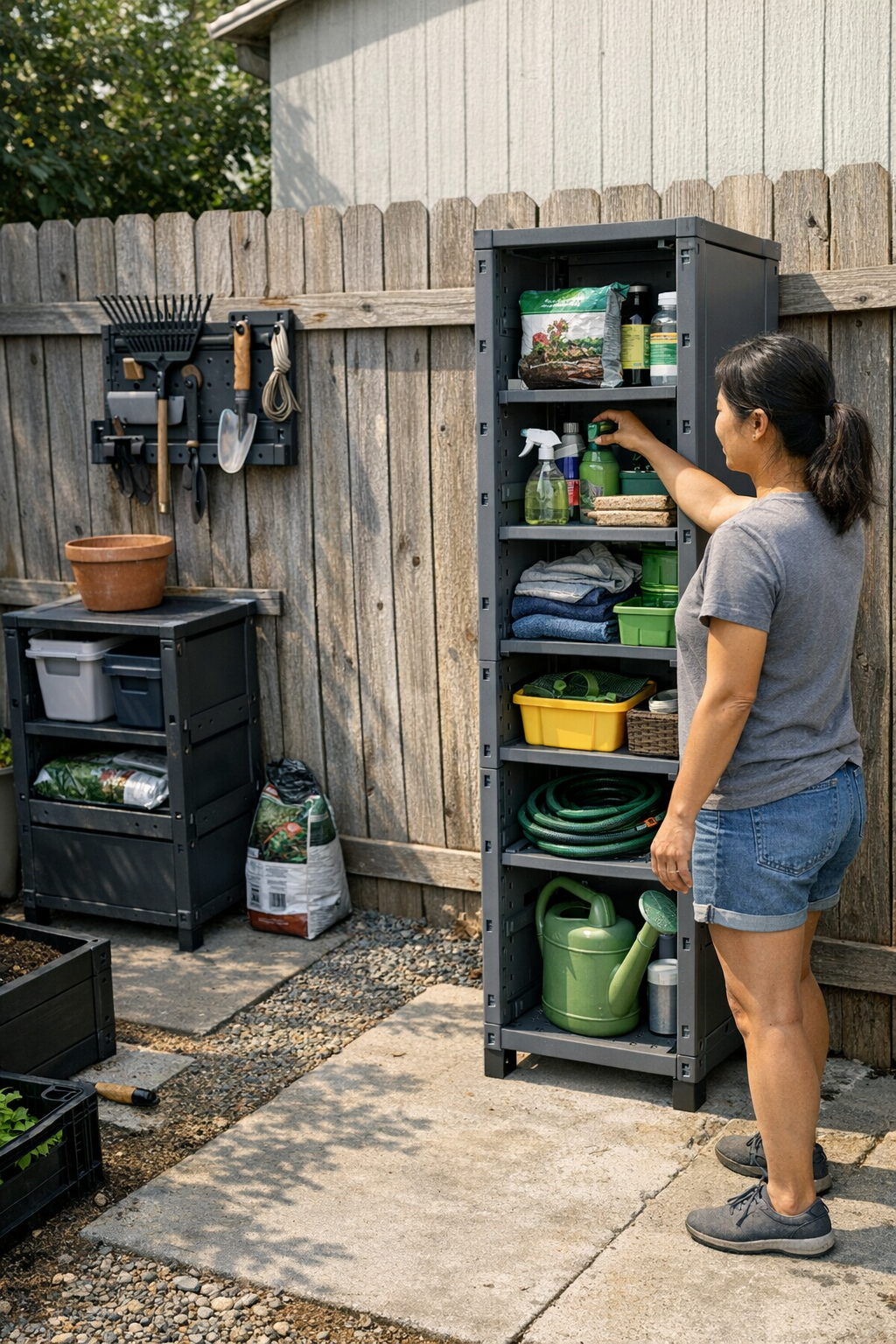
Over time, I started to see the rhythm in how my side yard functioned. After busy stretches—a garden weekend, a burst of play, or a messy Tuesday—the reset was quick. Sliding a rack aside instead of untangling a strict grid of fixed shelves. Noticing how a “weekly” zone at chest height eased everyday grabs, and how a corner for overflow kept bigger pileups contained.
Letting boundaries flex subtly nudged me into habits that took less time and effort. There’s a calming effect in watching order renew itself with simple gestures. Fewer blocked paths meant less daily friction in repeated outdoor use.
It was about balance: boundaries that could move but not disappear. Letting the space serve you instead of the other way around.
These observations came slowly while tending my own little patch—and occasionally poking around here: tidyyard.myshopify.com