Living With Clutter That Never Quite Goes Away
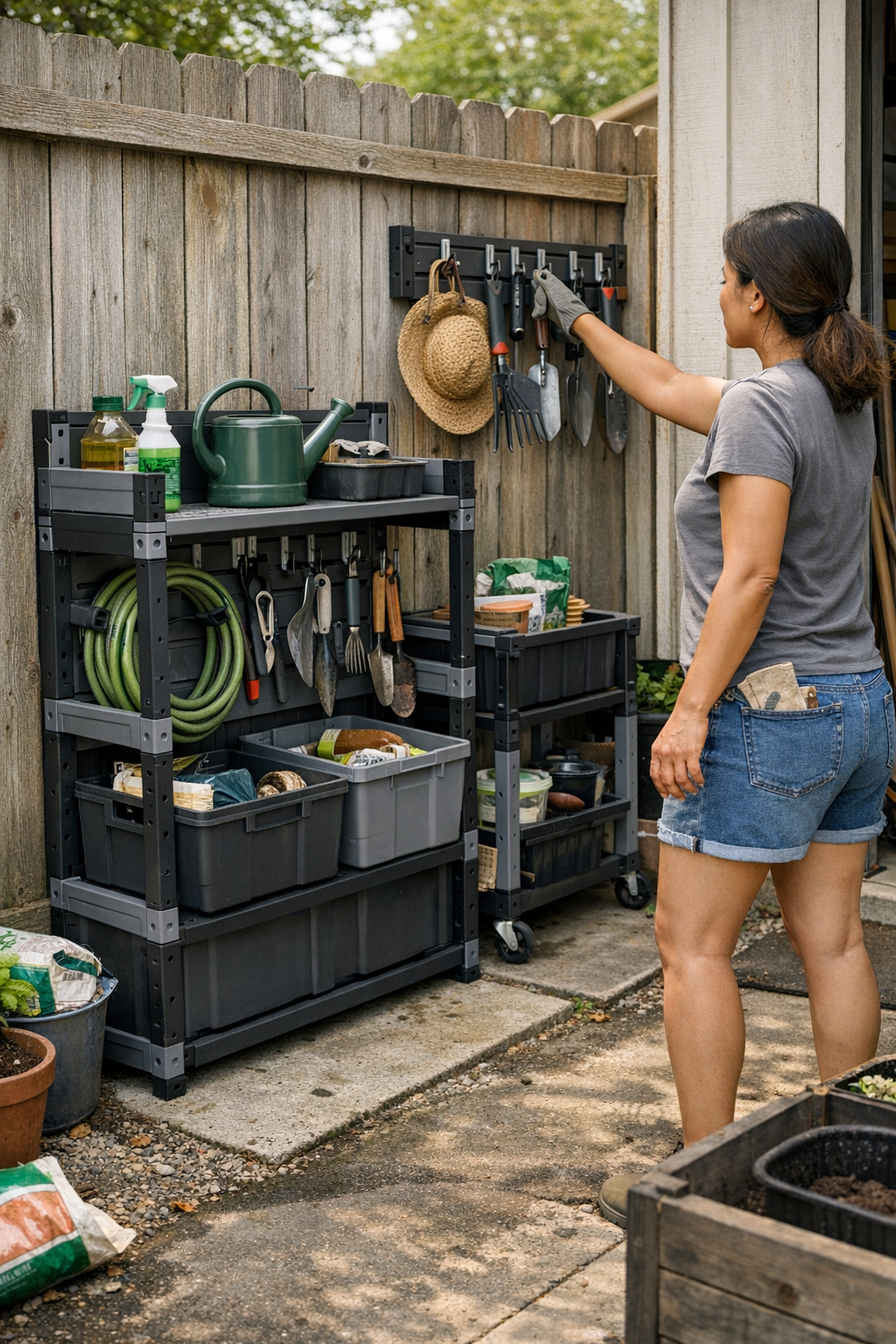
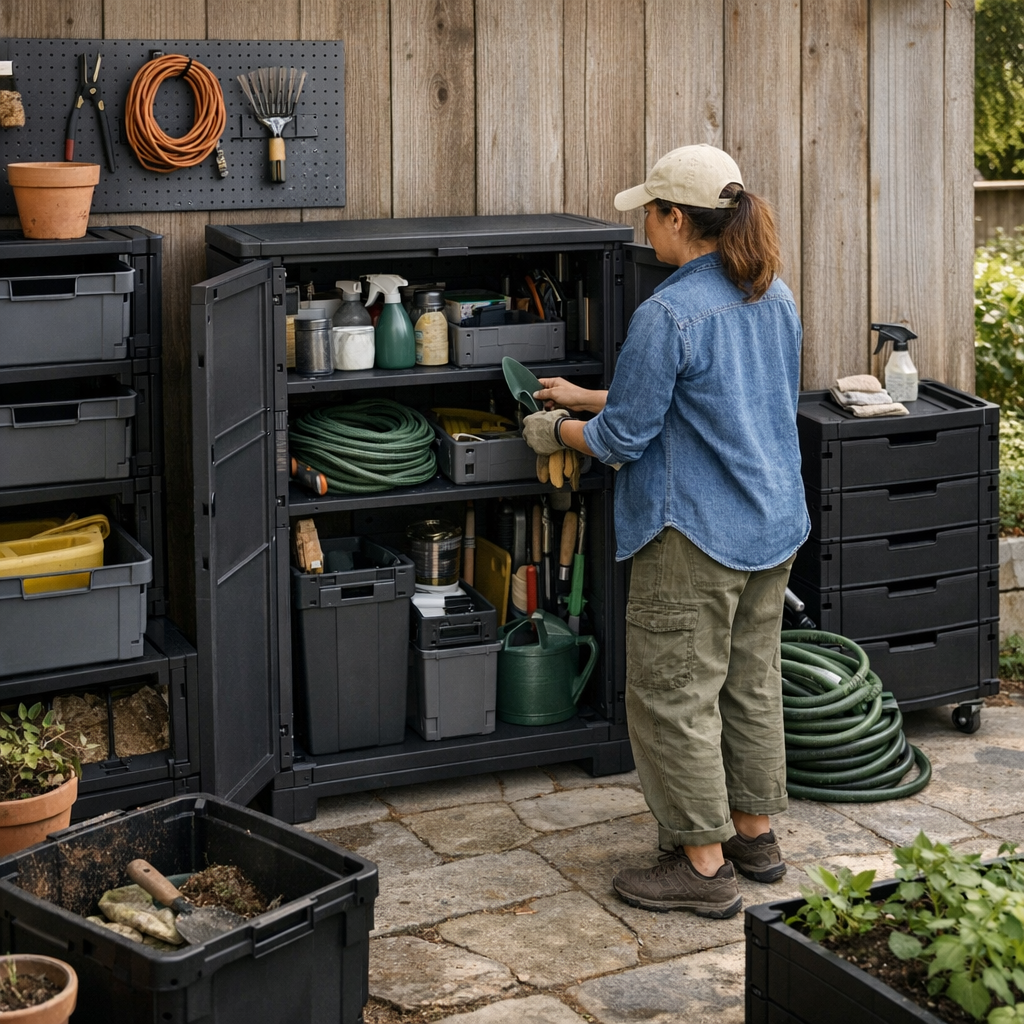
Temporary storage usually turns into clutter because it hides crowding until daily use reveals the problem. Defining zones prevents overflow.
It starts quietly. A bin tucked near the door. A shelf that collects everything “for now.” Most days, it doesn’t even cross your mind—until one morning it does. You reach for your keys, only to sift through a gathering of things you barely remember putting there. It’s a subtle frustration, the kind that slips between daily rituals. Temporary storage, as it turns out, has a way of quietly overstaying its welcome.
Where Convenience Starts to Weigh You Down
Temporary bins and catch-all shelves are easy to love at first. They promise flexibility—a spot for overflow, a landing place for whatever doesn’t fit elsewhere. But convenience has a shadow. You don’t notice it immediately.
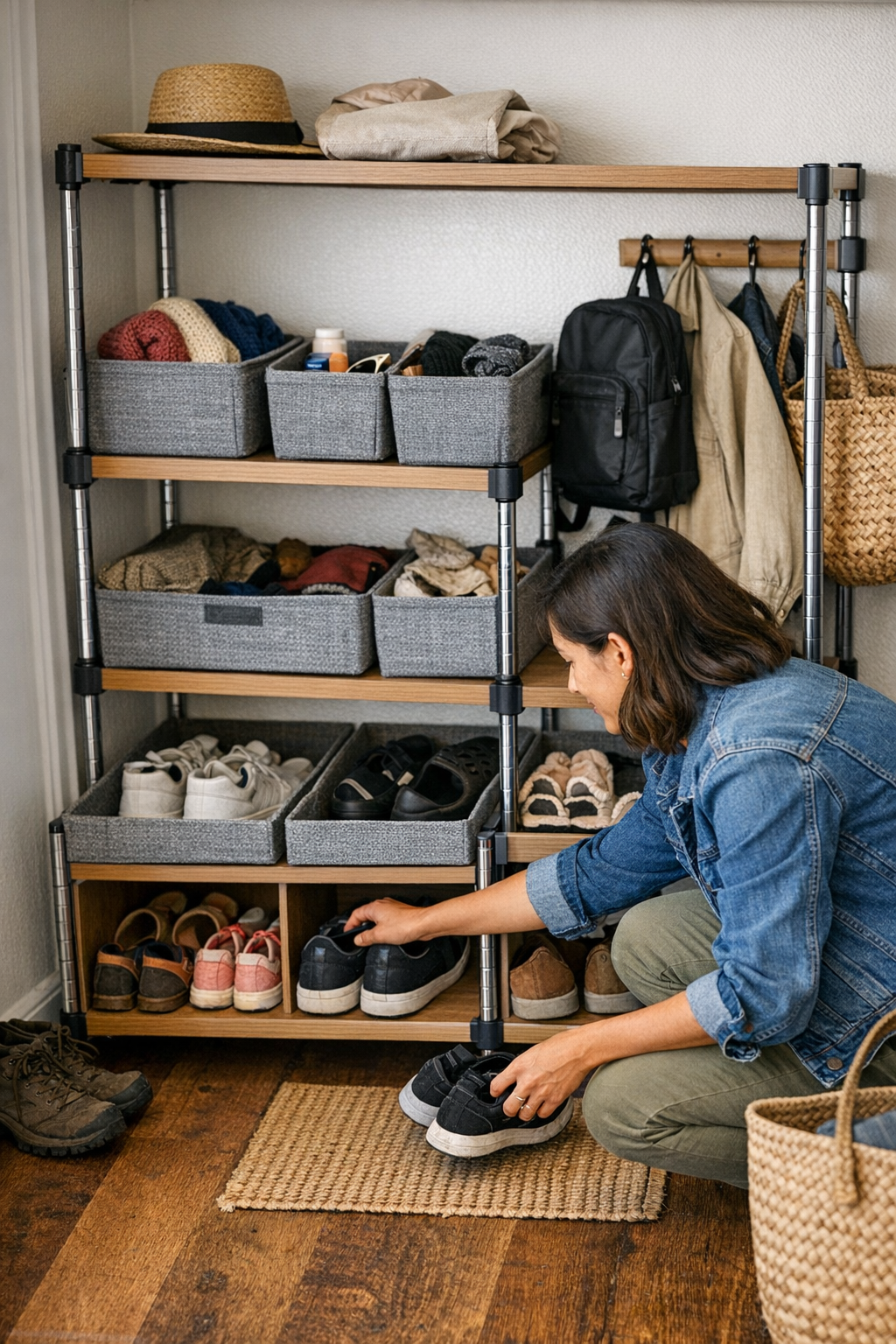
A heap of hats pile up, one shoe gets buried under many, or coats share space with empty shopping bags. The once-neat row of baskets at the closet’s base transforms, little by little, from solution to stumbling block. When structures meant to tide us over stay too long, categories mix and access gets crowded. Daily routines slow, even if you can’t say why right away.
But you feel it.
When Clarity Fades—And Edges Blur
It happens in the span of a week or two. The closet shelf, meant for quick “for now” drop-offs, starts filling at the edges. A bin intended for “just a few” overflow shoes mutates—instead of easing clutter, it hides it. What once looked organized with matching baskets often doesn’t hold up to daily use. You hunt for a glove, dig through a loose sock, and wonder why resets never seem to stick.
I noticed it most during a chilly Tuesday rush. My daughter rifled through the entryway basket for her other boot—buried, of course, beneath last week’s mail, two hats, and an umbrella. The fix that seemed so plausible had become its own kind of problem.
Balancing Ease with Limits
There was a small experiment that shifted things. Swapping our single toy bin for separate open compartments, each with a purpose, changed the whole tone of resetting. Shoes stayed in their lanes. Hats and small items had designated spots. The reset was simpler, less muddled. Suddenly, each section told us when it was full—no more guessing, no more endless shifting.
It becomes clear: boundaries—however simple—invite daily habits to feel a little easier. Not every fix needs to be permanent; some are just passing helpers. But when convenience mixes with vague roles, friction seeps in. The smallest shift—a divider here, a more visible edge there—brings order back to the daily flow.
Most of the time, our spaces reflect more than just stuff—they hold echoes of how we move through days, and the gentle weight of the things we put off noticing.
Sometimes that weight is lighter than we thought, when we let a little clarity in.
I wrote more about these small storage shifts during a quiet afternoon, sorting through the real-life edges of temporary solutions.