Living with Light: How Ceiling Fixtures Change Shared Spaces
Switching from scattered lamps to ceiling lighting solves lighting problems in shared rooms, reducing cable clutter and improving visibility.
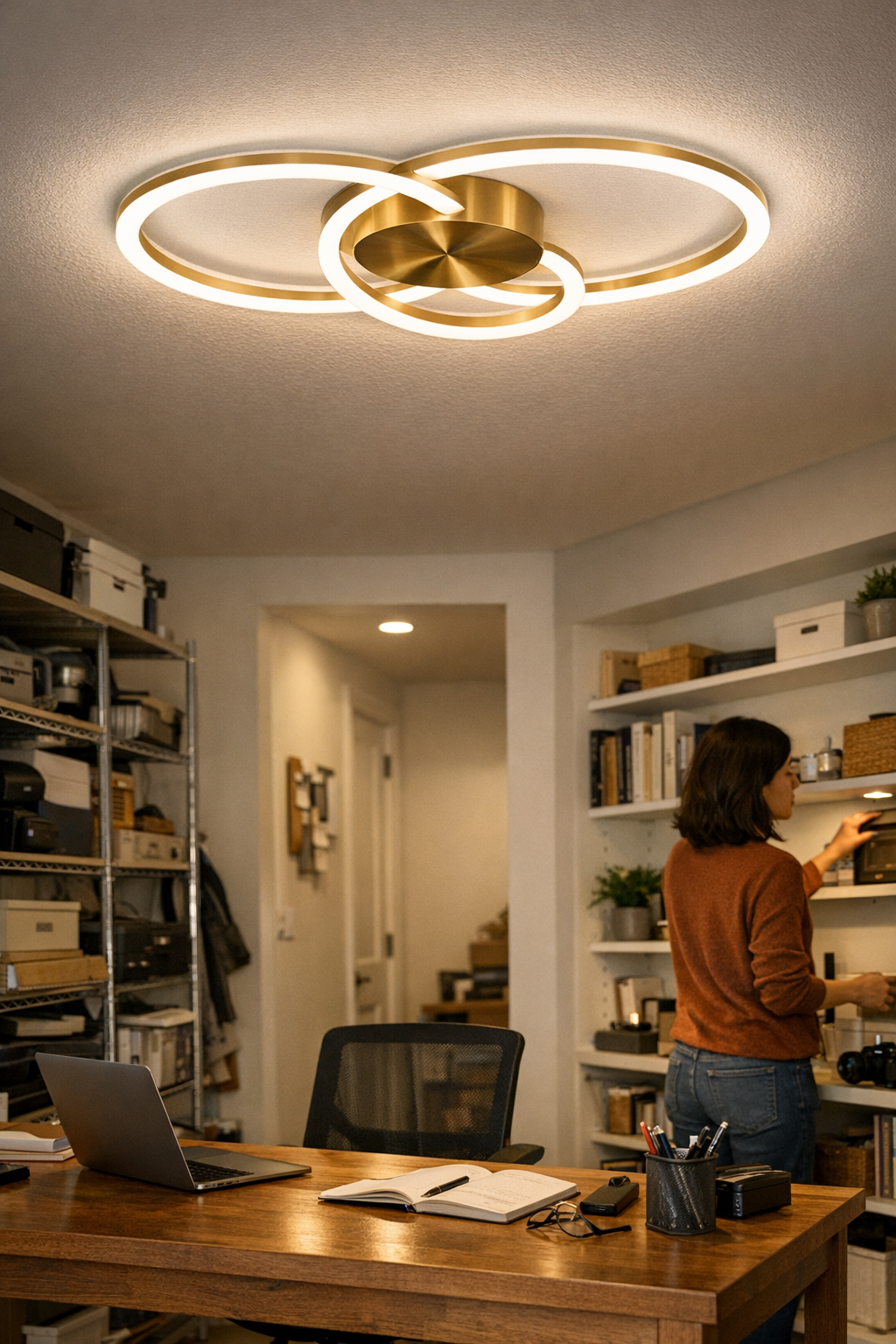
Light That Stays: Realizing What Makes a Room Work
There’s a quiet difference between a room that looks sorted and one that actually feels easy to live with. Over months of drifting routines—sitting down each evening with just the nearest lamp, always needing a small adjustment—I noticed how the corners stayed dim, cables traced odd lines under chairs, and I found myself nudging things around far more than expected. At first, it felt like normal compromise, the way every space quietly shapes its own rhythms.
But eventually, the patchwork of floor and desk lighting revealed a background friction. Not sharp enough to be a problem, but always there—another cable near the entry, an awkward shadow at the far end of the table, a lamp base taking up the last free bit of shelf. It was less about appearances and more about the quiet trade-offs happening every day.
The Subtle Build-Up
You don’t notice it immediately.
Even when the arrangement feels neat, lamp by lamp, it doesn’t take long for lived-in routines to reveal the pattern. Every new use—someone setting up a laptop, reaching for a charger, sidestepping a cord—reminds you each lamp covers just one small slice of the room. And with more people moving through, the edges start to close in.
That’s the part I kept coming back to: how easy it is to get used to the constant shuffle. Small lamps lined up along the window, a floor light tucked between the shelf and the wall. Crowded cables become visual noise you learn to ignore, though you still step carefully across. At some point, I realized I was spending more time managing lights and cables than actually using the space.
The Difference When Coverage Changes
The actual shift didn’t look dramatic. Just a slim ceiling panel fixed above the table where I needed most light. No daily adjustment, no cords routed along new paths each week. The space under shelves and at the room’s edge stopped fading into dusk; corners that always felt unfinished came forward, clearly visible.
It was a quiet relief. The far side of the desk, once left for an occasional clamp-on task light, stayed clear even after moving papers and laptops around. No more stretching cables or balancing lamps on awkward stacks. The sense of untangling wasn’t just visual—it lifted some background tension from the day.
If anything shifted my thinking, it was how steady the room became without chasing bright spots or dodging misplaced wires. One clean light overhead, and the work surface stayed useful from every angle.
Ghosts of Old Habits
But you feel it.
Sometimes, I still catch myself looking for a lamp to nudge closer—a leftover habit from before. The urge fades as the familiar trouble spots stay lit, with nothing to manage but the work itself.
This isn’t about making a room “perfect” or banishing every stray cable. There are still moments when a slim desk lamp makes sense for detail work or when evening calls for something softer along the wall. But after living both ways, the real structure comes from lighting that quietly covers the whole routine—letting the space get used, instead of rearranged.
If you find yourself moving cords more often than chairs, it might not be more lamps you need but a light that finally stays put.
These thoughts came together after another rearrangement, and I found myself browsing here: http://www.lightsupport.myshopify.com