Living with Light That Finally Stays Even
Linear and panel ceiling lights deliver stable, even light and reduce glare, but proper placement, mounting, and cable management are essential.
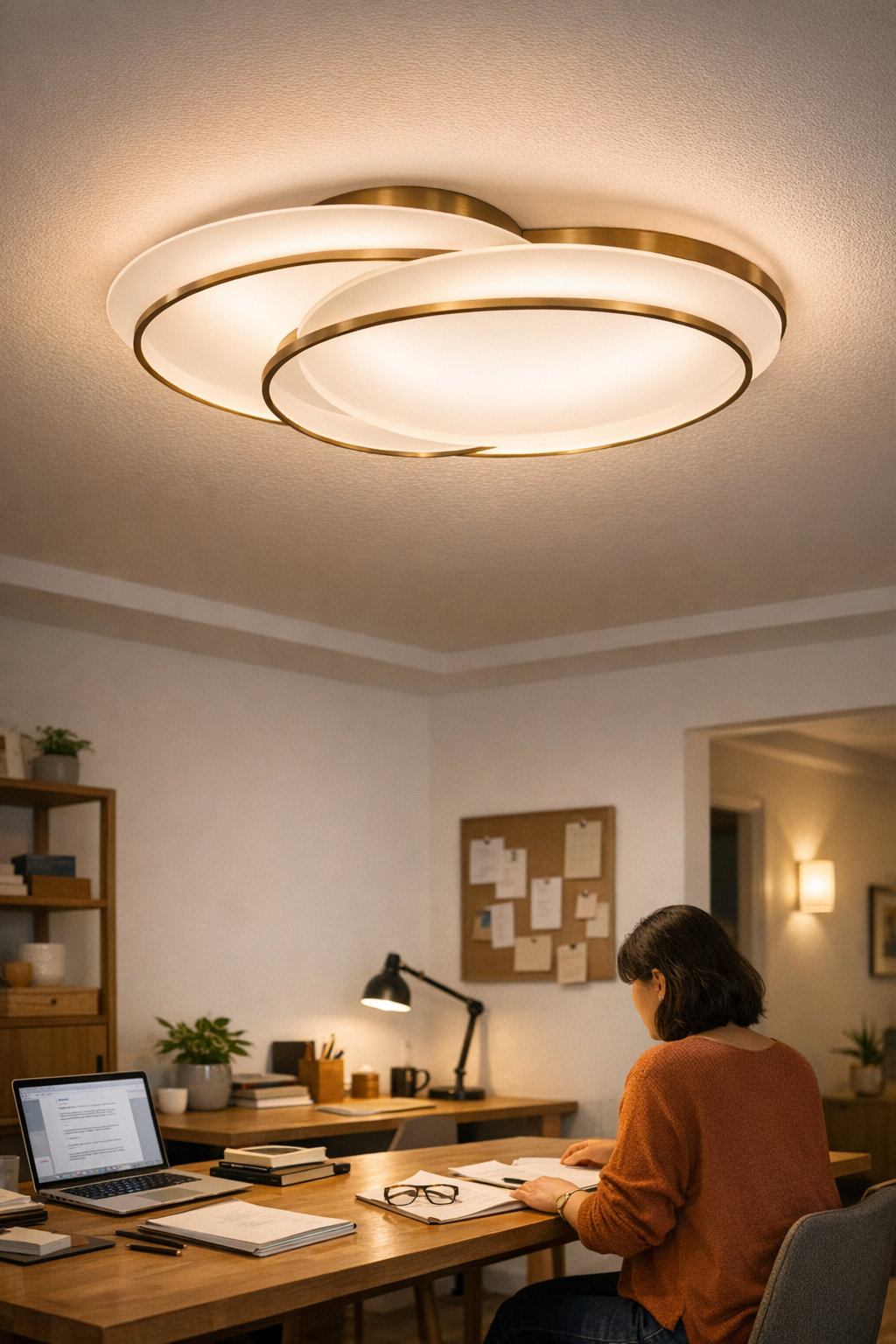
There’s a kind of irritation that sneaks in when your home’s main light never feels quite settled. Maybe you don’t think about ceiling or task lighting until you have to, but each evening—same desk, same table, same hallway—the pattern repeats: dim corners linger, the glare on your book shifts with the chair, a cable crosses just where your eye moves. You sense something’s off and keep adjusting, hoping the next tweak will stick. Usually, it doesn’t. The effect is quiet but stubborn, brushing against you every time you cross the space.
What Settles, and What Never Does
Linear and panel lights tend to stay put better than clusters of can lights or uncertain desk lamps. It’s less about the initial brightness and more about how the light actually lands across surfaces. After a few days, you stop noticing the fixture itself and start seeing how evenly it fills the room, whether the edges leave you reaching for another lamp, or if cables pull at your eye. Sometimes you only realize how often you’d been trying to fix uneven lighting after you don’t have to anymore.
You don’t notice it immediately. But you feel it.
When It’s More Than Brightness
On paper, most setups promise enough light; in use, the story is less tidy. A slim LED panel tucked into the ceiling erases shadows near baseboards. In a shared workspace, a good spread means nobody works in shade or has to deal with glare bouncing off their screens. But when angles are off or cables hang crooked, the lighting shifts from calm to cluttered—a bracket crossing where you shift your chair, or a cord tracing a path you’d rather not see. These are the details that stick out after days, not hours, especially when you’re actually living in the room.
That was the part I kept coming back to.
The Small Change That Changed Everything
One day, it made sense to move the bracket just a little, aligning it with a ceiling beam so the cable wouldn’t wander. Raising the panel by a couple of centimeters reduced shadows on the far side of the table. After that, I stopped thinking about the setup entirely—no more shuffling lamps or negotiating bright spots. The lighting just worked quietly, supporting routines without drawing attention. Space opened up, surfaces cleared, and lamps that once felt necessary ended up unplugged.
It’s surprising how much relief a settled light can bring to everyday use, even if the difference feels almost invisible at first.
If you find yourself thinking about the practicalities of cables, brackets, or how well the light serves your workspace, I found it useful to browse quietly through options like these: http://www.lightsupport.myshopify.com