Living with Small Yards: Finding Flow in Everyday Clutter
Simply adding storage rarely stops clutter in small yards—systems guiding movement and returns prove more effective and reduce mess and reset delays.
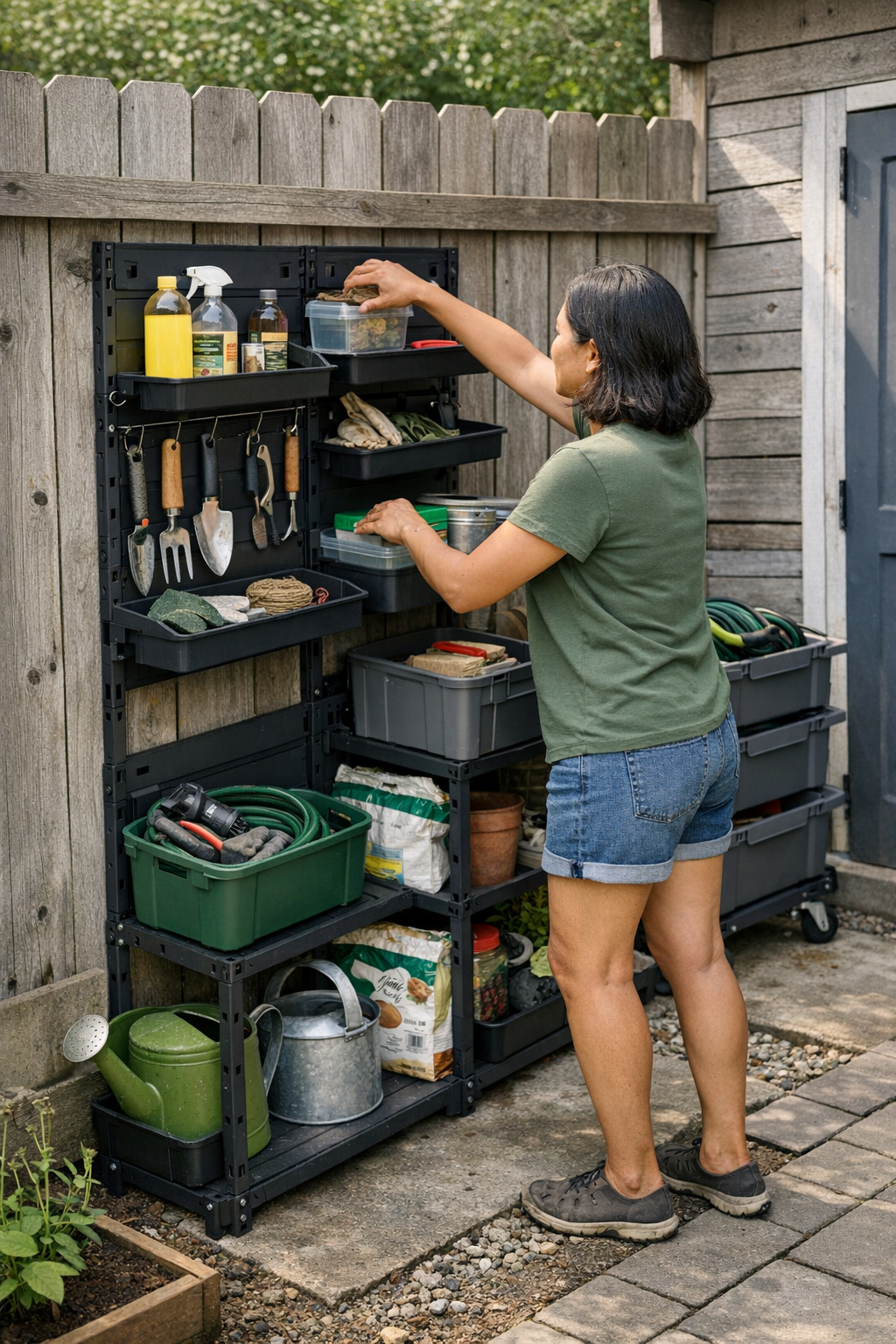
It wasn’t really about having too little space. The trouble started in quieter ways — the rake not quite where I’d left it, a pile of boots by the side door creeping further out each week. At first, I’d just nudge the storage bin over, but it never seemed to fit right. In my mind, more containers were meant to solve things. In reality, they just reshaped the problem.
It’s the little blockages you notice: a box wedged near the gate, a toy in the walkway, gloves missing until you don’t need them anymore. The reset becomes heavier over time. The clutter isn’t just about volume but about how things flow—or don’t—through the space. And somehow, the yard starts feeling smaller, step by step.
The Quiet Creep of Clutter
At the end of a weekend, I’d survey the yard and catch myself sighing. Tools had a place, technically, but their path home was never smooth. Closed bins promised order, but inside, things drifted fast. I sought easier solutions—hoping a new chest or another plastic tub would fix it.
But over time, every stray item, every “for now” decision became a small hurdle in moving through my own yard. The grass got trampled where I cut corners. The easy surfaces—ledges, fence tops—unexpectedly became clutter hotspots, increasing mixed-use friction.
Not All Storage Works the Same
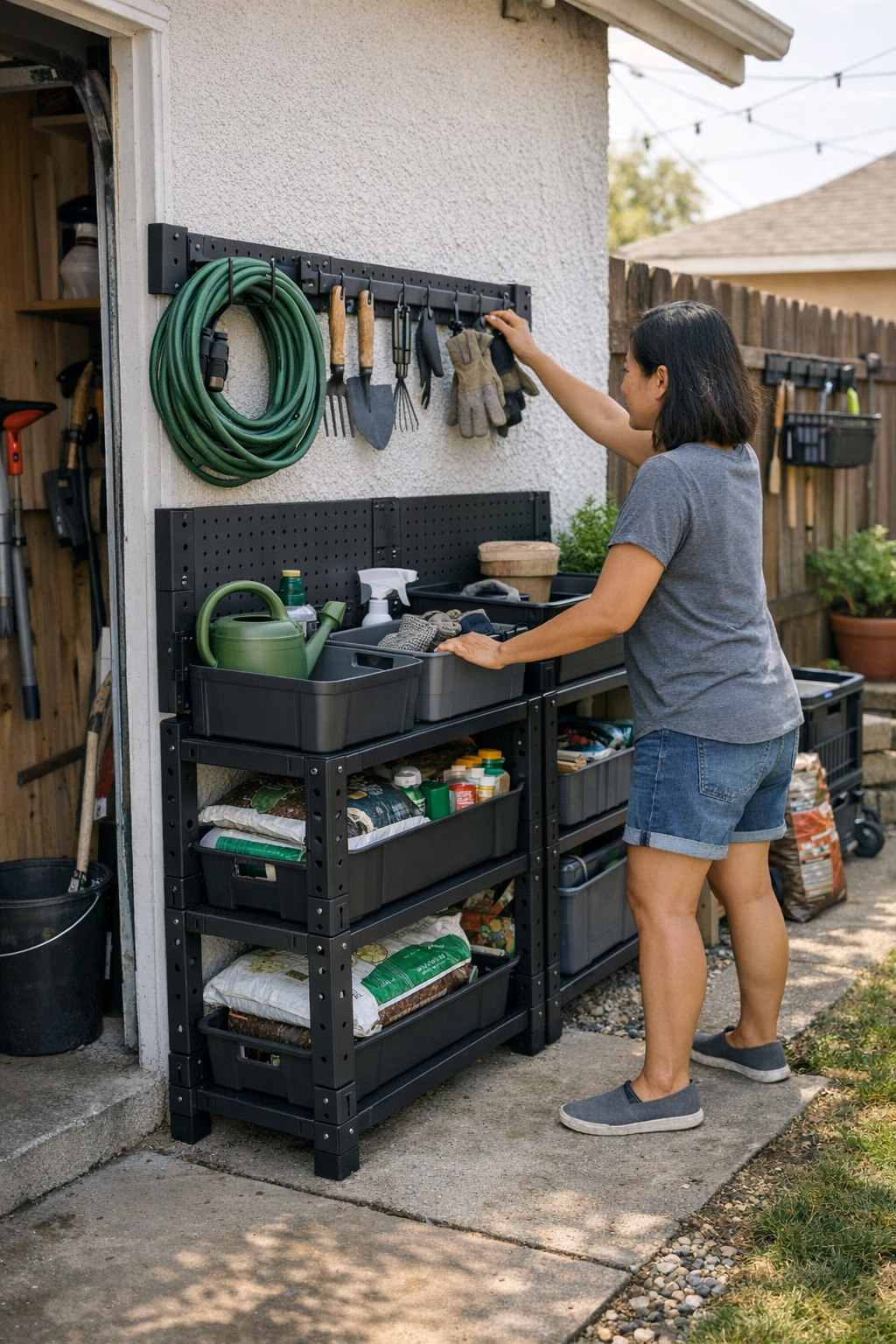
One thing stood out on busy days: tools I used regularly rarely made it back into boxes with lids. They ended up on ledges or fence posts, left out “just for today.” When I installed a line of open hooks and shallow trays along the fence, something shifted. It became easier to reach for the hand trowel, drop it back, and head in. The setup started working with my habits instead of against them.
The change wasn’t immediate. But the less effort it took to return something after use, the less likely I was to “save it for later.” Visible trays meant clutter was harder to ignore. Scraps and dirt didn’t get hidden away, so clean-up became part of the daily pass-through, not a separate dreaded event.
A Yard That’s Easier to Live In
There’s a quiet relief when walkways stay clear—not because I worked harder, but because things have an easier way back home. Over time, I realized storage only helps if it fits how things actually move. The most useful containers are the ones I reach without bending or searching.
If something gets put away where I always walk by, I’m more likely to keep using it and less likely to let it pile up. When the routine supports the system—not the other way around—the space feels bigger, even if the footprint hasn’t changed.
Some of these small discoveries came while working things out in my own backyard: tidyyard.myshopify.com