Living With Storage Along the Yard’s Quiet Borders
Outdoor storage along yard edges keeps main areas clear, easing movement and resets, outperforming central storage in daily use and flow.
Some outdoor spaces slip out of our grasp in small, unremarkable ways. A backyard or side yard, for example, shifts from invitation to inconvenience almost imperceptibly. One day, walking from the gate to the shed, you’re weaving between bins and benches that felt like good choices at the start. It happens slowly. The path you once crossed without thought becomes a silent arrangement of detours.
Small outdoor areas, especially those expected to serve many functions, quickly reveal where storage truly belongs. At first, any available spot—center, corner, or right in the open—feels like fair game. But after a week or two of regular use, you understand how each placement affects flow and access.
When Storage Finds Its Place
I noticed this after a few seasons of trial and error. Placing a cabinet in the middle of a yard seems useful—everything close by, just a short walk to bins and toolboxes. At first, this feels convenient and efficient. You don’t notice the pitfalls immediately.
But over time, you feel it. Every shortcut becomes a slow curve around something new in the way. Movement, which once felt open, turns practiced and cautious. Resetting the space—tidying up after projects or weekends—starts taking more time than it should.
Clearing the Path We Actually Use
Most activities in a yard happen along the paths we use regularly: rolling a bike through to the street, hauling bags to the bin, chasing a soccer ball. When storage encroaches on those lines, the space changes. It becomes less fluid and more cluttered.
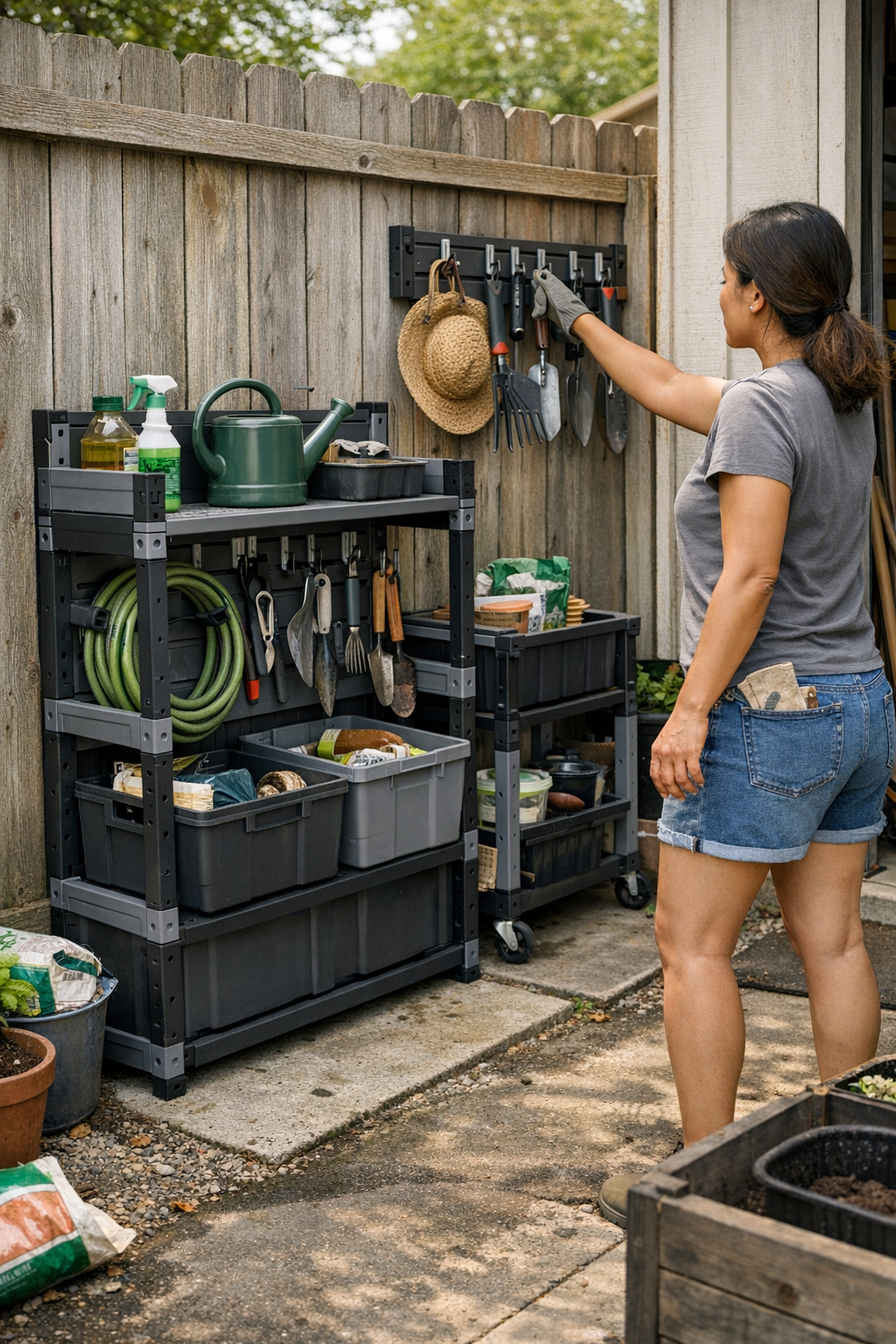
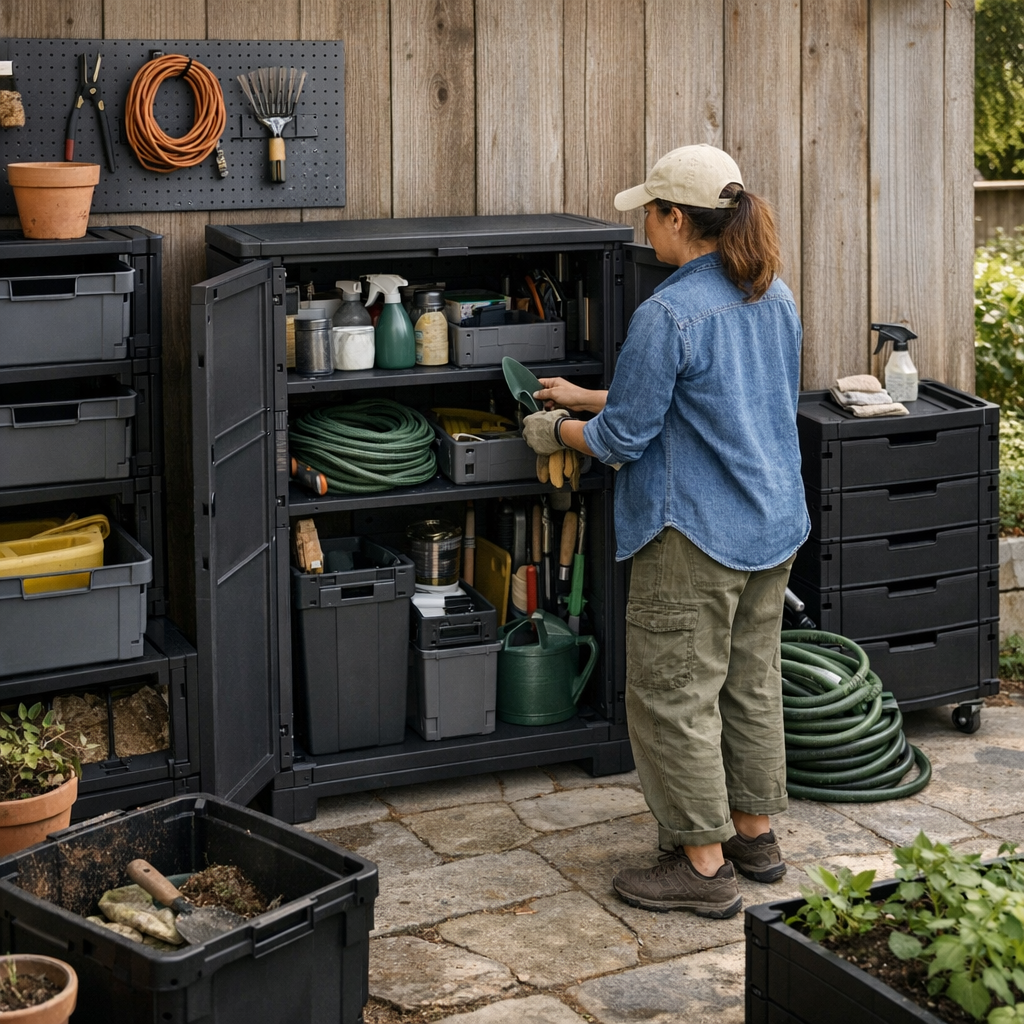
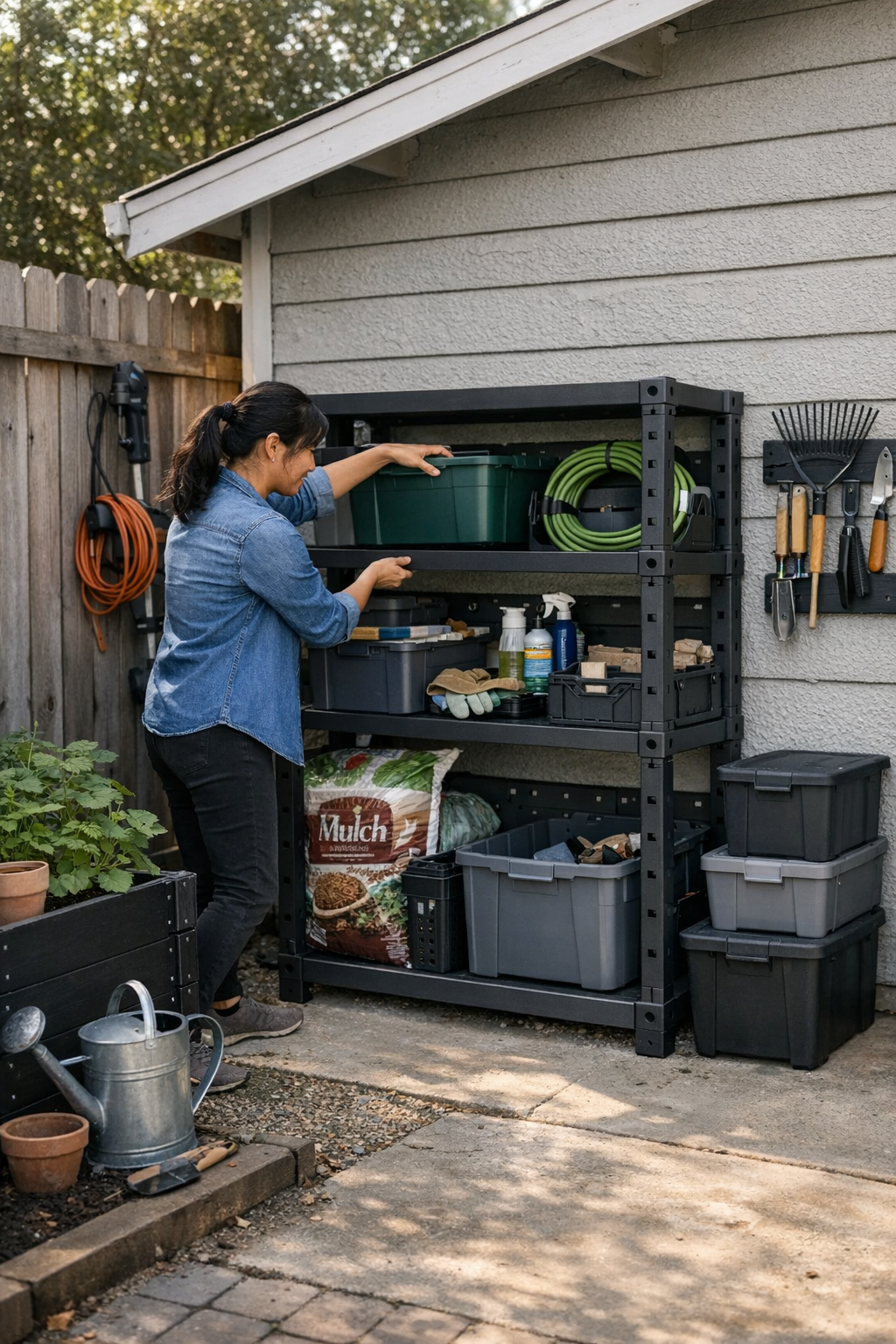
One practical shift I keep returning to is pushing storage along the boundaries instead of the middle—along the fence, a wall, or that narrow strip by the hedge. By placing bins and racks near the edges—just outside the main flow—you free up the areas where movement is constant.
This setup may not look like a perfect grid, but it feels more natural for real, repeated use. Clearing the floor clears the mind: tidying resets become less of a chore and more of a habit, easier to maintain after every outing.
Noticing the Pause Before Clutter
The real insight comes in the pause between clutter building up. When you realize the center of the yard has stayed open for weeks, untouched by storage or spillover, you see the difference. You rarely regret leaving the heart of the space free.
The edges become quiet allies, absorbing extra bits and pieces without demanding attention or interrupting movement. Sliding storage to the periphery lets walkways breathe again, even as life gets messier.
A space arranged this way feels possible to live in, not just presentable.
These reflections took shape in my own uneven yard and often resurface while looking at photos of a few other quietly lived-in spaces: tidyyard.myshopify.com