Living with Trays That Hide Everyday Wear and Tear
Textured trays mask routine scratches better than smooth ones, reducing visual clutter and making entry zones easier to maintain daily.
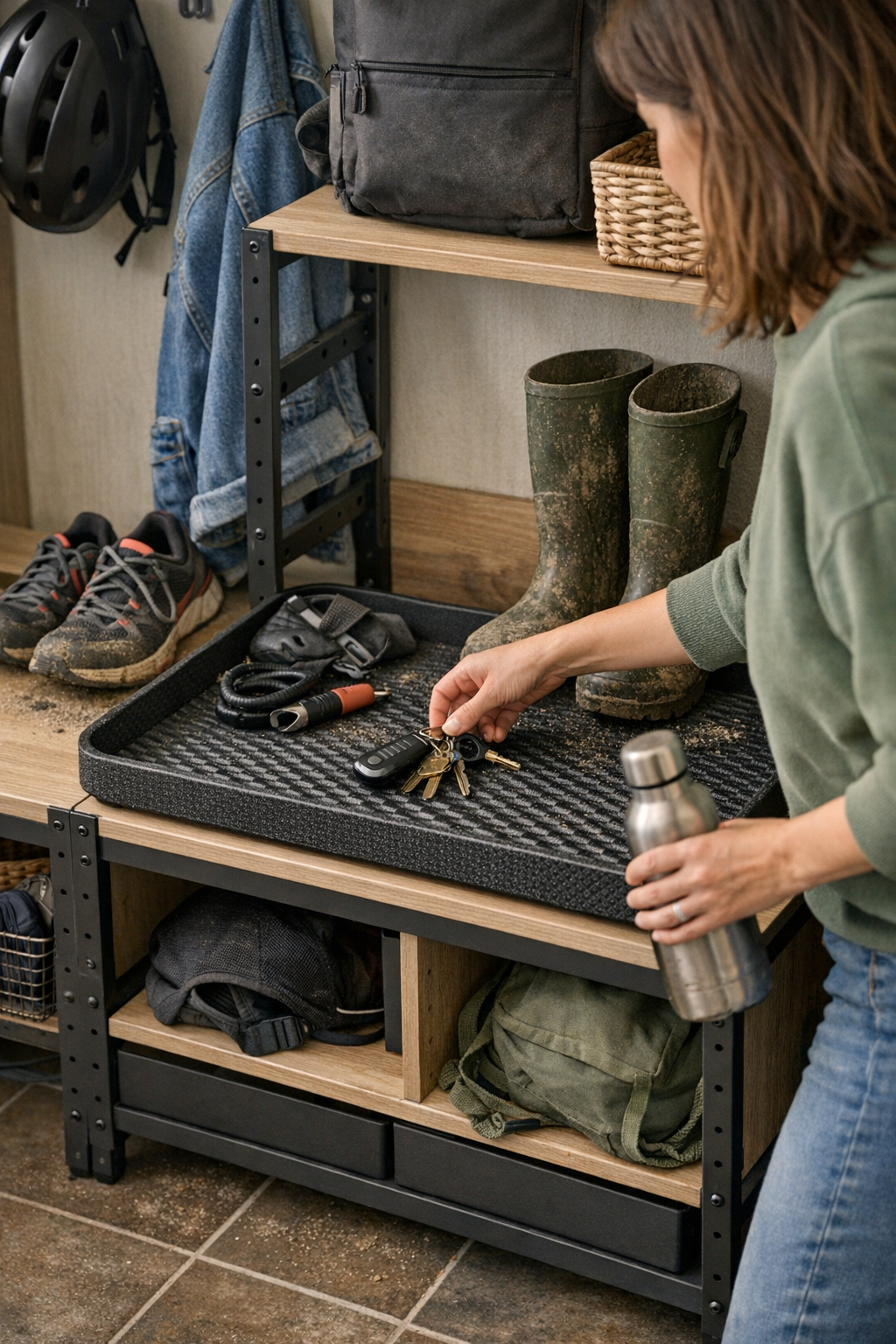
Sometimes, it takes just a week of living with a new entryway storage piece to notice what you missed the first day. A smooth, perfect tray installed at the threshold invited quiet pride at first—until small marks began appearing. There’s a rhythm to the space between outside and inside, shaped by bags dropped in a hurry, shoes dragging in gravel, keys tossed down without much thought. Before long, that flat calm surface showed scuffs that chipped away at the sense of order I wanted in this constantly used transition zone. I realized then: how well a surface holds up to abuse matters far more than how it looks when new.
How Marks Slowly Take Over
It doesn’t happen all at once. For the first few days, the new tray shines, reflecting light and possibility. But by midweek, every scrape and smudge—from wet boots or running shoes—marks the space, making it feel tighter and more cluttered. Even when shoes are lined neatly, the surface’s scratches draw your attention—reminders of rushed departures and uneven returns. That ongoing visual noise kept pulling me back.
A Realization About Texture
What surprised me was how little a textured tray demanded. Initially, I expected bumps and grooves to look busy or complicate cleaning. But over time, the texture broke up shadows and masked many scuffs from daily comings and goings—school bags, muddy cleats, a stray metal buckle. I nearly stopped noticing the mess altogether. It’s remarkable how much easier it becomes to let a space be used when it doesn’t so clearly record every drop or drag. There’s a quietness that settles in when you aren’t compelled to wipe everything immediately after it’s been touched.
Living With Less Fixing
Swapping the smooth tray for a textured one changed the entry zone in subtle but meaningful ways. There was less pileup around the bench and fewer second-guessing moments about where to set a soggy backpack or a dripping umbrella. Practically, cleaning happened more on my own terms, rather than feeling forced by glaring evidence. Surfaces that welcome abrasion allow routines to slip by with less friction—making departures easier, returns smoother, and adding a bit more peace to the constantly shifting threshold.
If you find yourself wondering what it’s like to let a space look used without letting it look defeated, it can help to see how others manage the transition: http://www.betweenry.myshopify.com