Living with Weather’s Quiet Impact on Backyard Storage
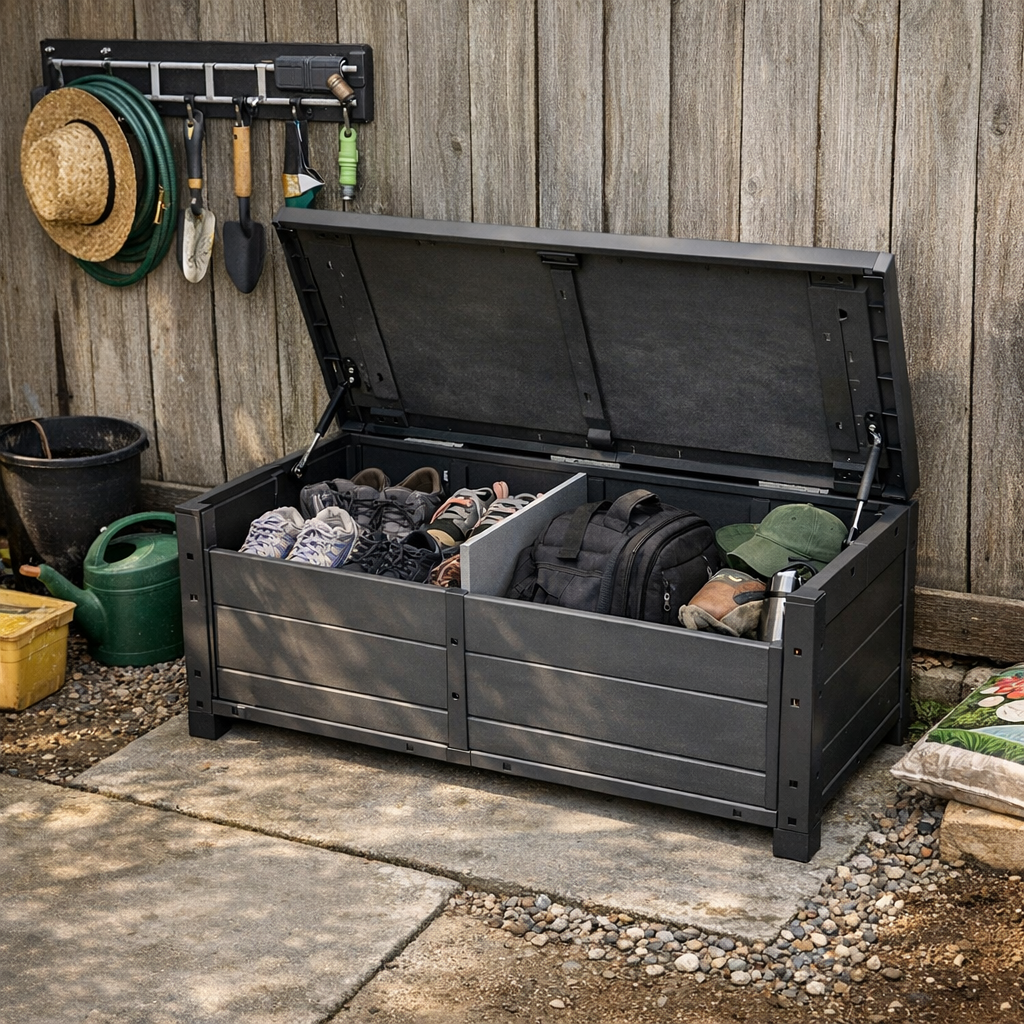
Factoring weather into garage or backyard setups stops hidden damage. Raised bins, spaced backs, and clear paths ease repeated use and emergencies.
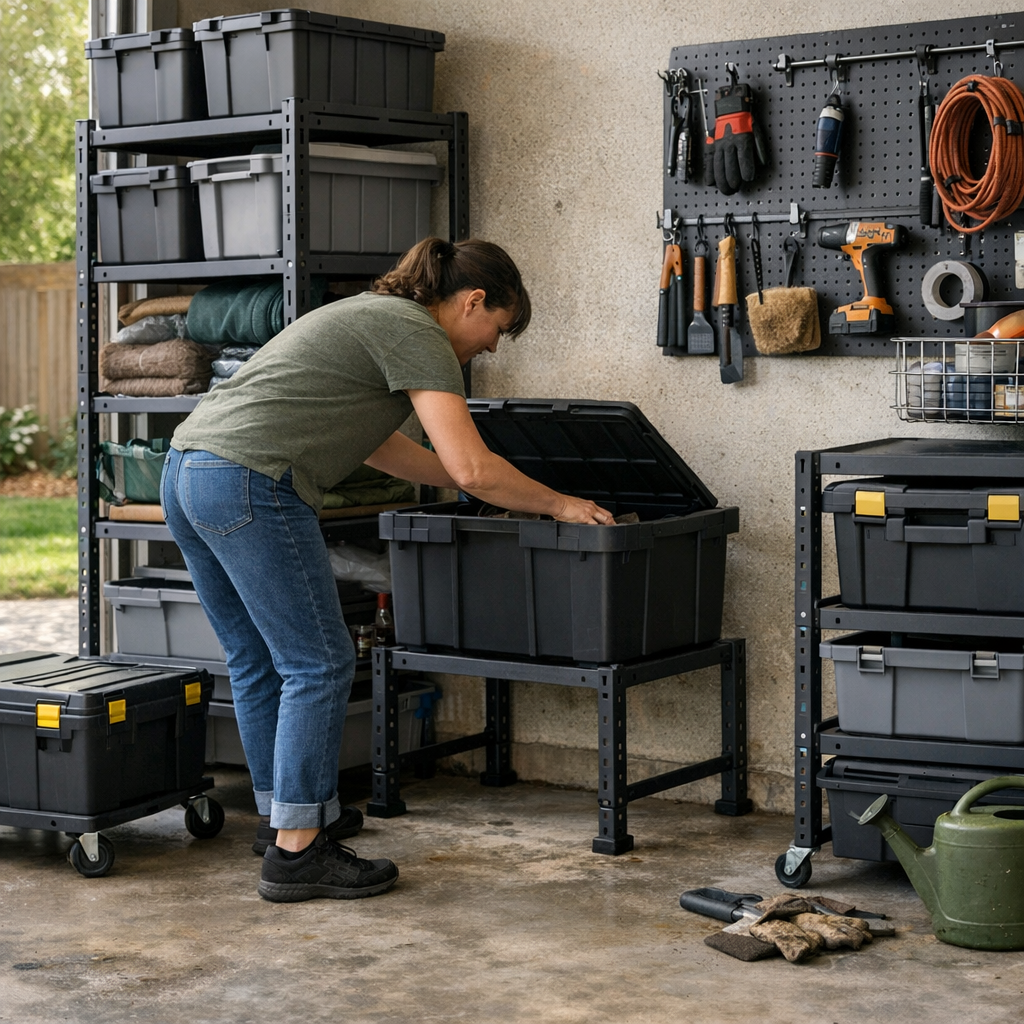
It doesn't happen all at once. You walk into your shed or garage after a string of rainy days, expecting everything to be in its place. But something feels different. The air is heavy, and boxes that once slid easily now catch on the floor as if they’ve grown roots. You move a bin and feel cold dampness along its base. It’s subtle, but it lingers in the back of your mind.
These quiet signals—the soft scrape of a stuck storage box or the slow spread of rust along a once-shiny handle—show the weather’s unseen role in our garage and workshop setups. Organizing a garage, shed, or any backyard workspace often seems straightforward. We stack, label, and line things up on walls or floors using modular or mobile storage systems. But time—and moisture—have their own ideas.
What Isn’t Visible at the Start
Neat shelves and walls lined with bins feel like a win. The initial setup looks promising. But you don’t notice the small trouble right away. A stray puddle by the door, maybe; a film of condensation under a box. After a few damp periods, problems quietly take root beneath the surface.
Real life creeps in through wet weather—tiny streams find the lowest edge, sticky humidity collects behind even the most carefully placed racks or raised storage. What once felt steady suddenly seems off. The first time your hand touches a box corner that’s soft or swollen, the slow changes become clear and out of sight. What looked like efficient use of wall space and floor area becomes awkward just when you need easy access the most.
When the System Lets You Down
One spring, I found myself hauling every bin out of the garage, one by one. Rain had pooled between the slab and the wall, and storage I thought was off the floor now clung desperately to it. Each bin felt heavier, handles slick with dampness, making a simple task like fetching garden shears a slow shuffle around damp obstacles.
You don’t notice the problem immediately. But you feel it in repeated trips and the shifting footprint of the workspace. Organization that works fine in dry conditions falters when every movement means dodging soaked boxes, slipping floor boards, or musty overflow. A setup that looked tidy now binds your workflow instead of supporting it.
A Small Change, and Why It Lasts
The lesson hit home: keeping everything off the ground—even by just a couple of inches—transformed the shed. Bins could breathe. Paths cleared. I watched storms roll through, and without frantic rearranging, the space stayed dry and items remained easy to reach.
There’s something quietly satisfying about these small but concrete changes: raising storage, spacing racks properly, and improving airflow in a workshop or backyard utility area. The weather always shows up, but the setup stays steady.
Viewing shed organization as a conversation with the weather—not a fight—feels more effective. The shed, for now, stays a little drier, a little simpler, and makes returning to your tools and workspace easier after every rain.
These thoughts came after an afternoon spent realigning bins and shelves in my own garage, with rain just starting to tap on the roof.