Quiet Moments Unfold When Travel Bags Work Seamlessly
The strongest signal of a practical pet-travel setup is how easily you can reach high-use essentials after multiple stops.
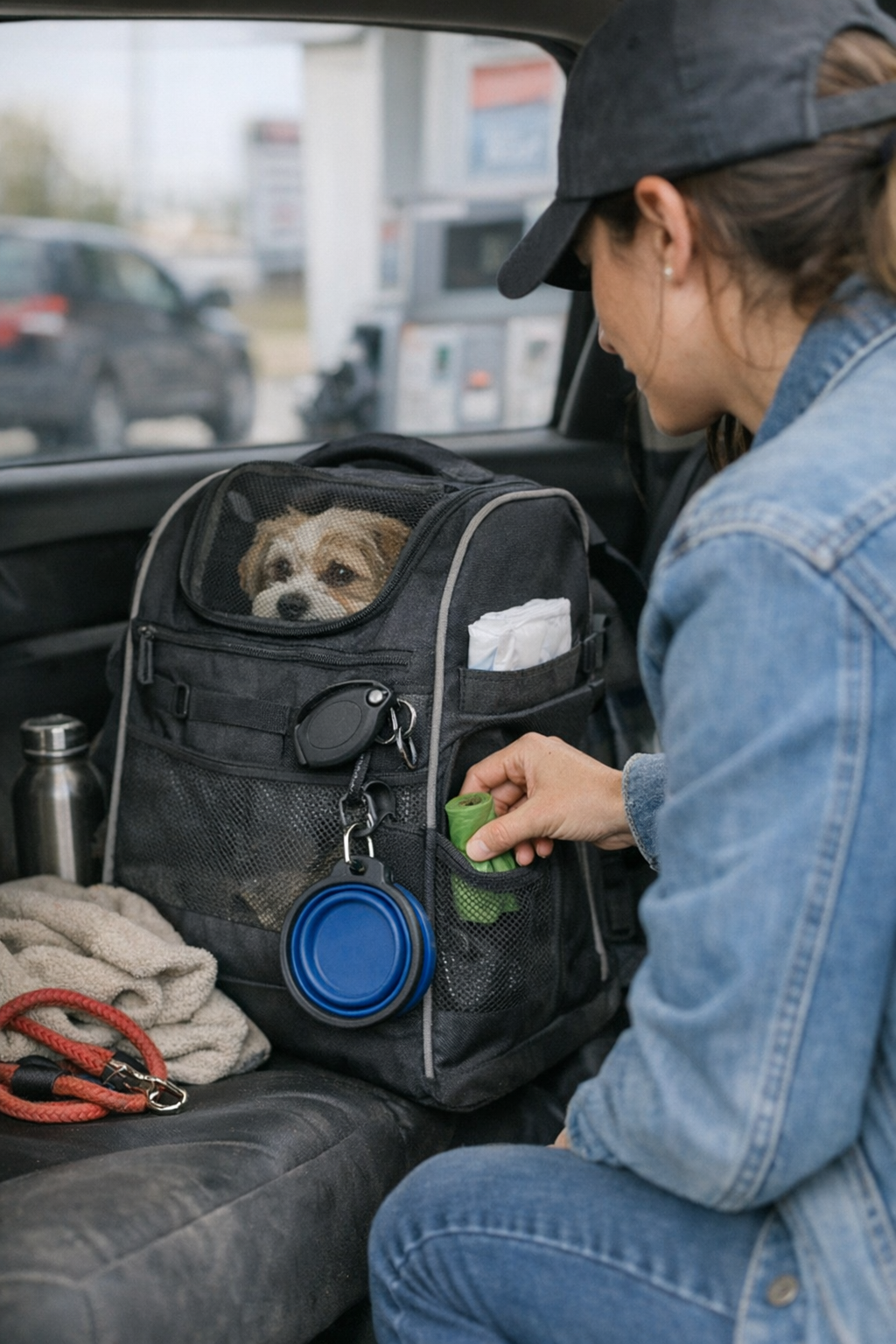
There’s a certain moment, usually around the third stop of a trip, when a pet-travel setup quietly reveals its flaws. One hand is steadying the crate—your dog shifting with that alert, wait-ready look—while the other is already digging for the wipes or the extra leash. At home, everything had fallen neatly into place. But now, with each reach, there’s more untangling, a pause that didn’t used to be there.
It isn’t dramatic. At first, I thought I’d packed smarter—fewer forgotten items, zippers zipped, comfort blanket folded just so. But that quiet drag sneaks in during repeated use, especially on days when routines run tight and quick errands stack up. Every time I needed something mid-trip, I found myself re-sorting things I’d only just packed. Movement stops, and the bag never quite resets the way you want.
You notice it after a few trips.
Layers Promise Order, Until You Need to Move
The idea was always to keep things snug. Layered pockets, compartments just big enough for travel bowls and folded blankets. Maybe a comfort toy tucked beside the wipes, leashes slid under a treat pouch. On the surface, everything looked organized. That sense of a good setup kept drawing me back—but it wasn’t one that moved smoothly with me.
By the third or fourth stop, reality shifted. A bowl blocked a zipper, or wipes slipped under heavier items. What worked once at the kitchen table turned into small, repeated slowdowns on the road. Each reach became an interruption, not just to my routine but to the calm I was trying to keep for my dog. At first it looked fine. But the difference kept showing up.
The Flow is in the Reach
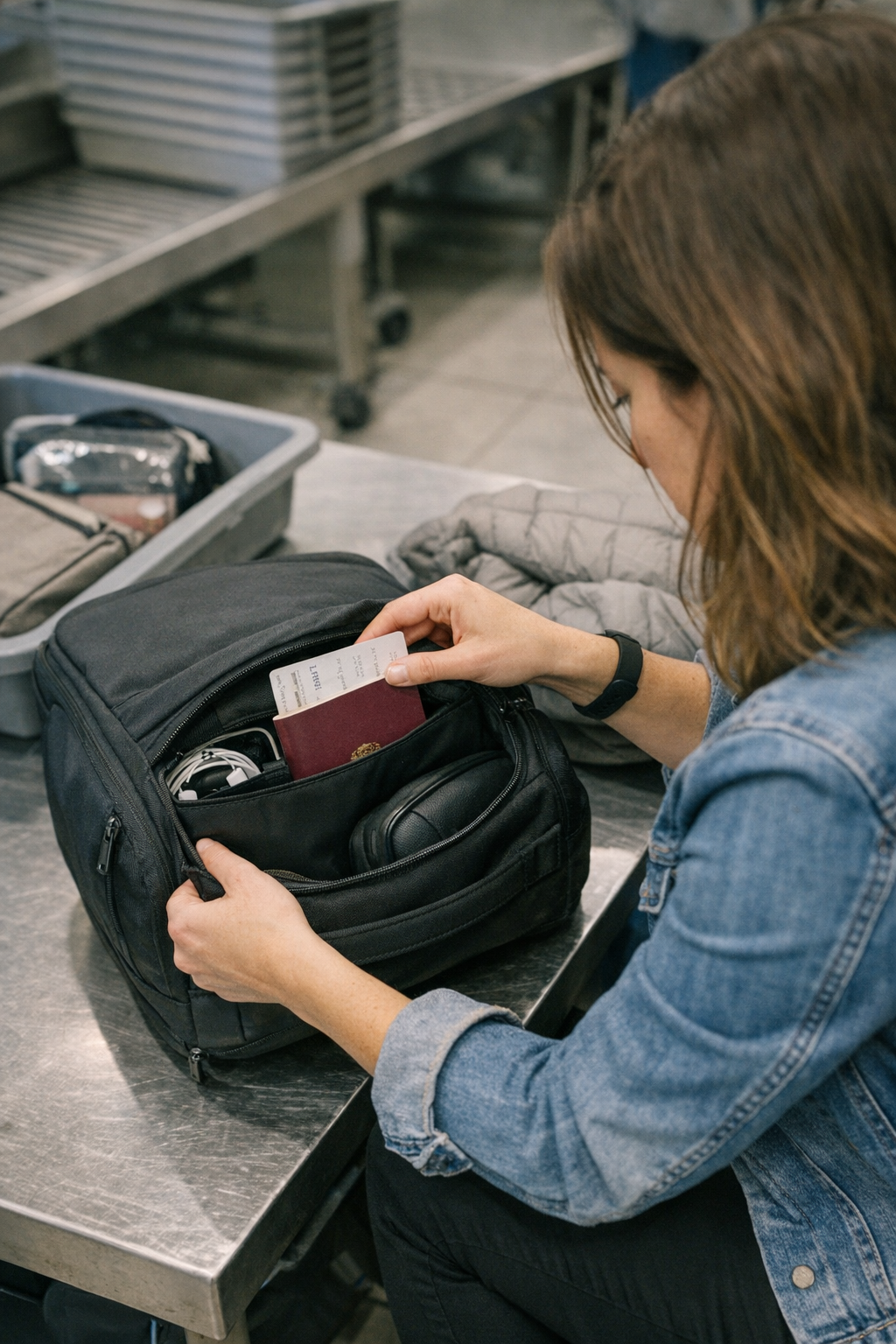
After enough times digging, I started moving the high-use things—wipes, leash clips, that tired cleanup pouch—into a side pocket by themselves. One space, always upright, nothing stacked or covered. It stopped feeling like a clever trick and became a quiet necessity. Now, when I reached for something, the others didn’t spill or shift out of place.
The reset after each stop was faster; there was less re-packing, no hunting for the leash under yesterday’s folded towel. My pet felt it too—fewer unsettled moments, more steady hand on her side. It wasn’t that I’d finally found the “right” bag, just a way of letting routine return without interruption. Organizing for repeated access, not just tidy appearance, changed travel from a series of stops back into something smoother, almost unremarkable in the best way.
The Hidden Work of Quick-Access
It’s a small thing, but it adds up: keeping essentials in a space that doesn’t need rearranging at every stop. Bags that look packed don’t always make movement easier. I learned it only really counts if you can grab what you need without reshuffling everything else. Comfort objects shifted where they could soothe without being buried. Cleanup gear kept obvious but out of the way. The trip gets easier, if a little less photogenic.
Every return to movement feels more possible—less about fixing what the last stop rearranged and more about slipping back on the road, pet settled and ready again. It’s a difference you only really notice after living through the routine returns.