Quiet Steps: The Small Changes That Ease Nighttime Pet Walks
Short, stop-and-go night walks with pets test if a bag avoids gear overlap and clatter. Separating items cuts friction and eases outings.
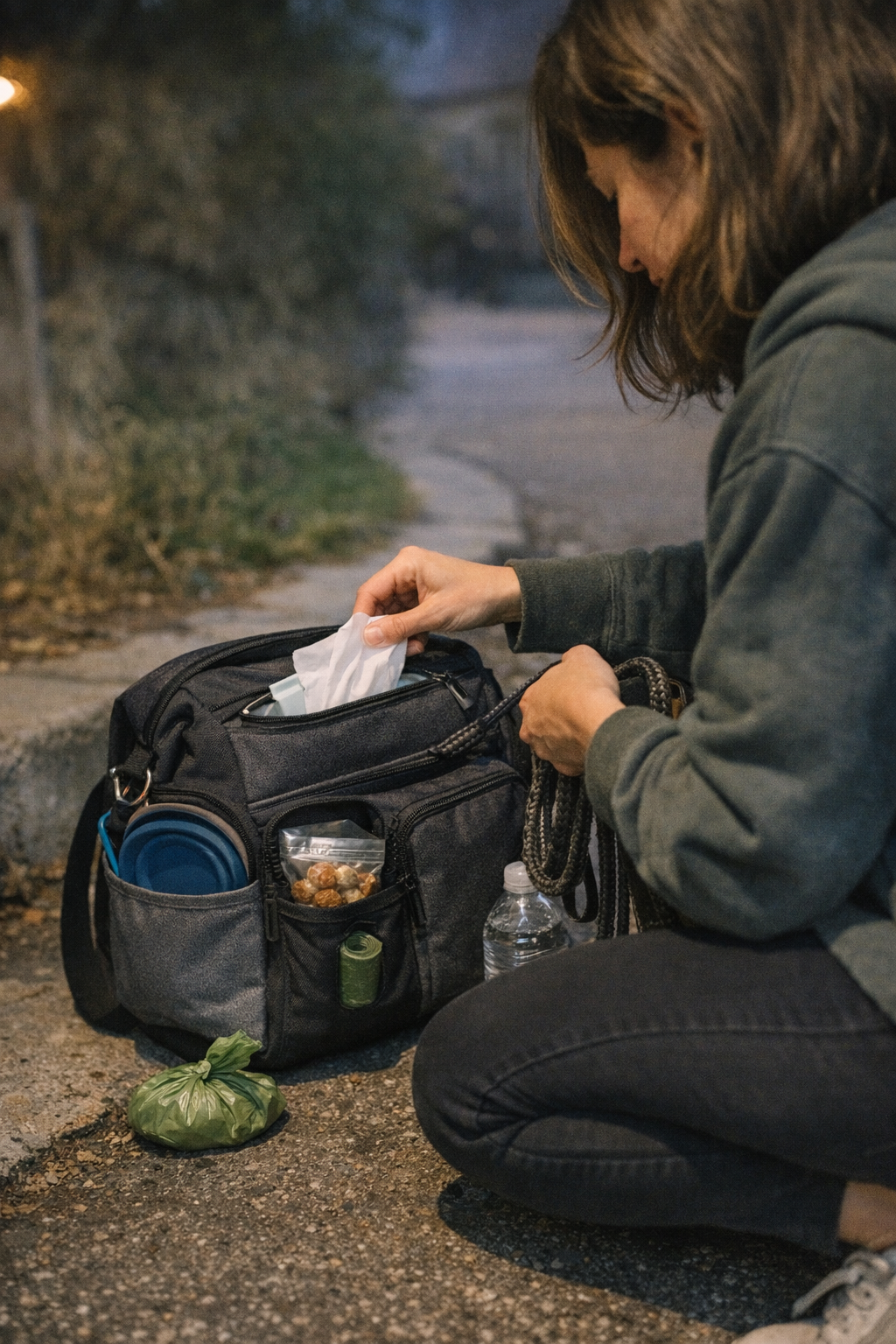
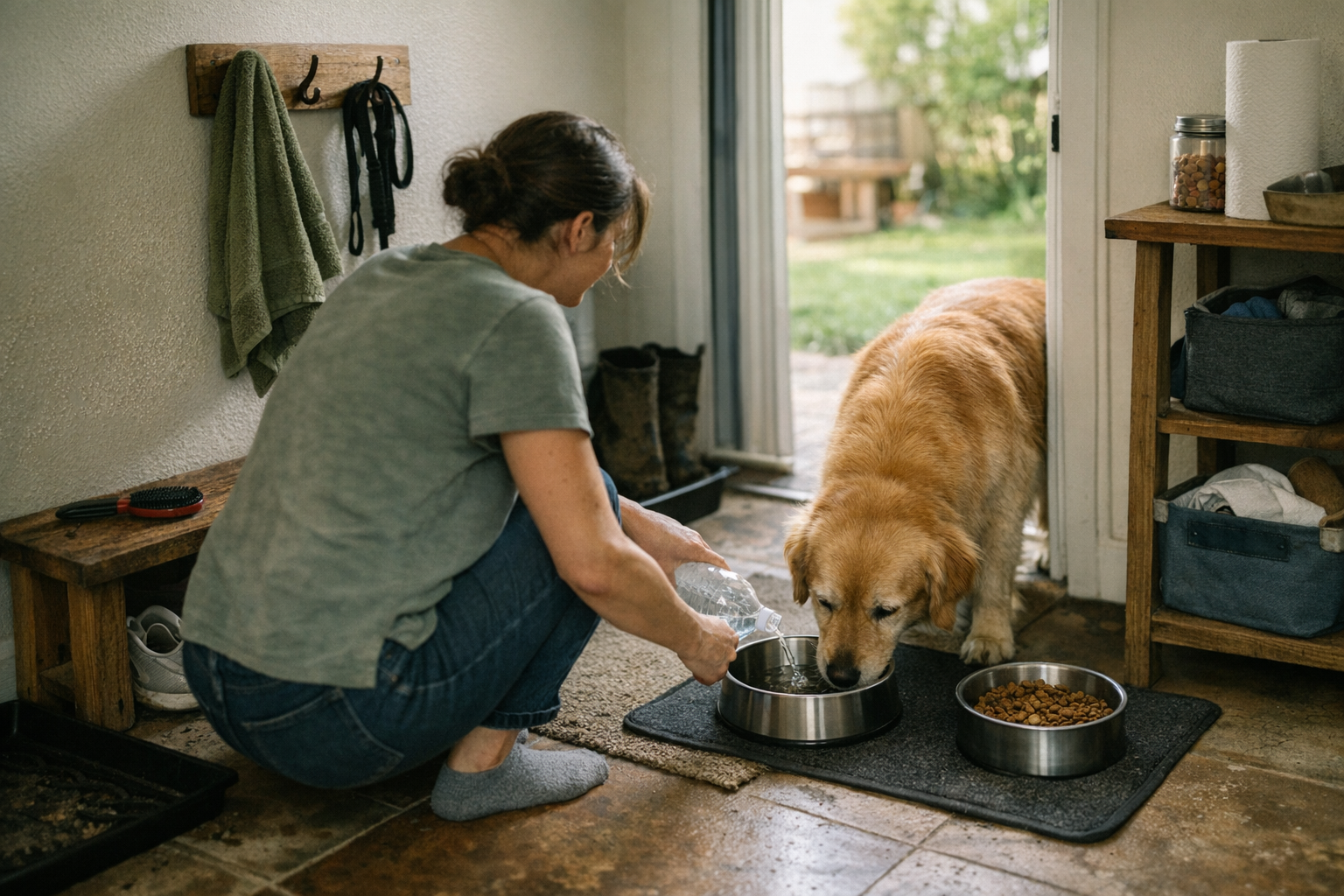
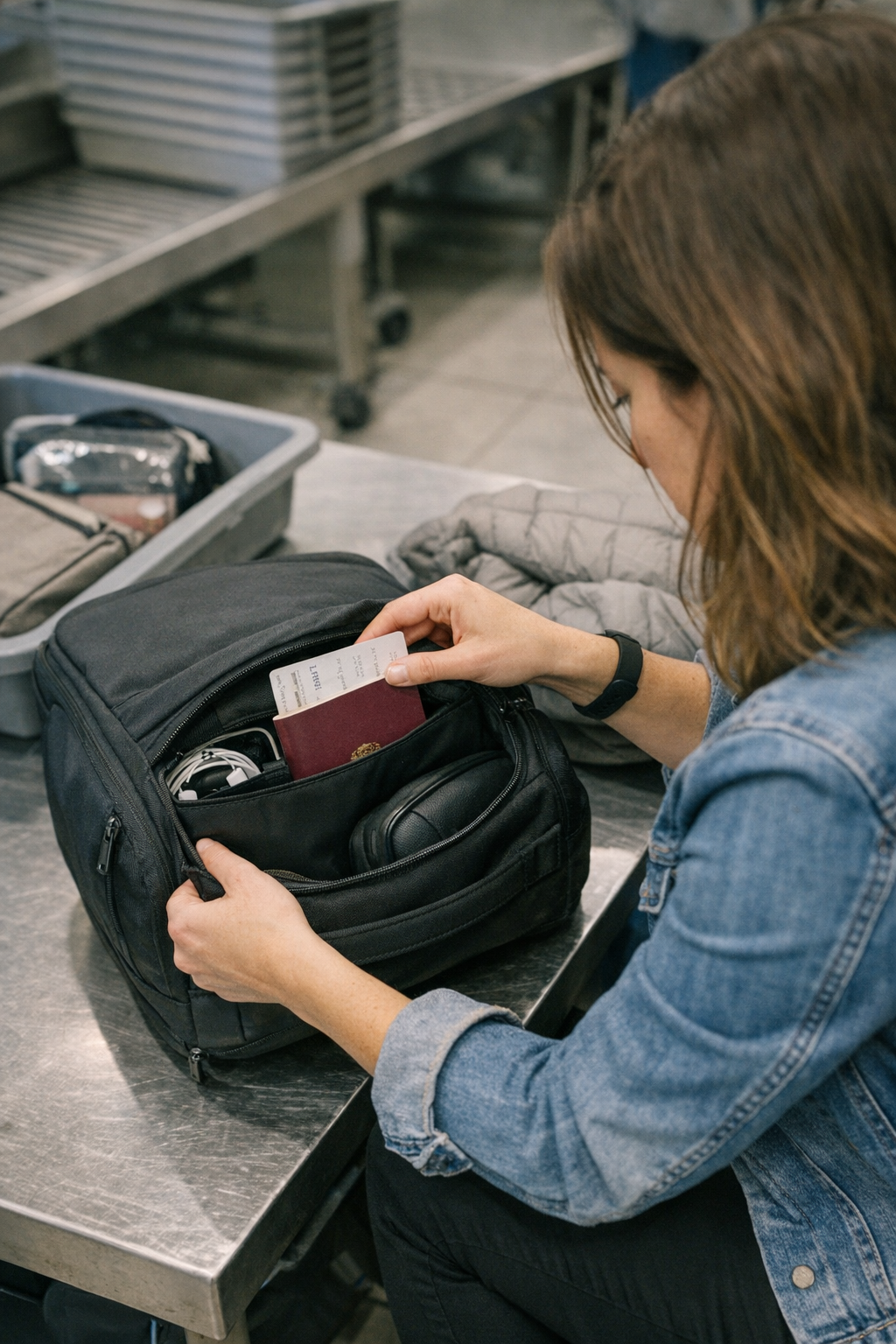
The first time you load up a pet travel bag, it feels like you’re solving a puzzle: treats lined up with wipes, water bowl tucked just so, leash draped exactly where it belongs. For a moment, everything seems perfectly in place—ready for that night walk, ready for any small emergencies. But no matter how organized it looks indoors, the setup often stumbles once you’re outside the door. Over repeated short trips and quick stops, you start to notice the difference between order seen and order experienced in motion. Each pause outdoors rubs the edges a little rougher.
Routines Find the Weak Spots
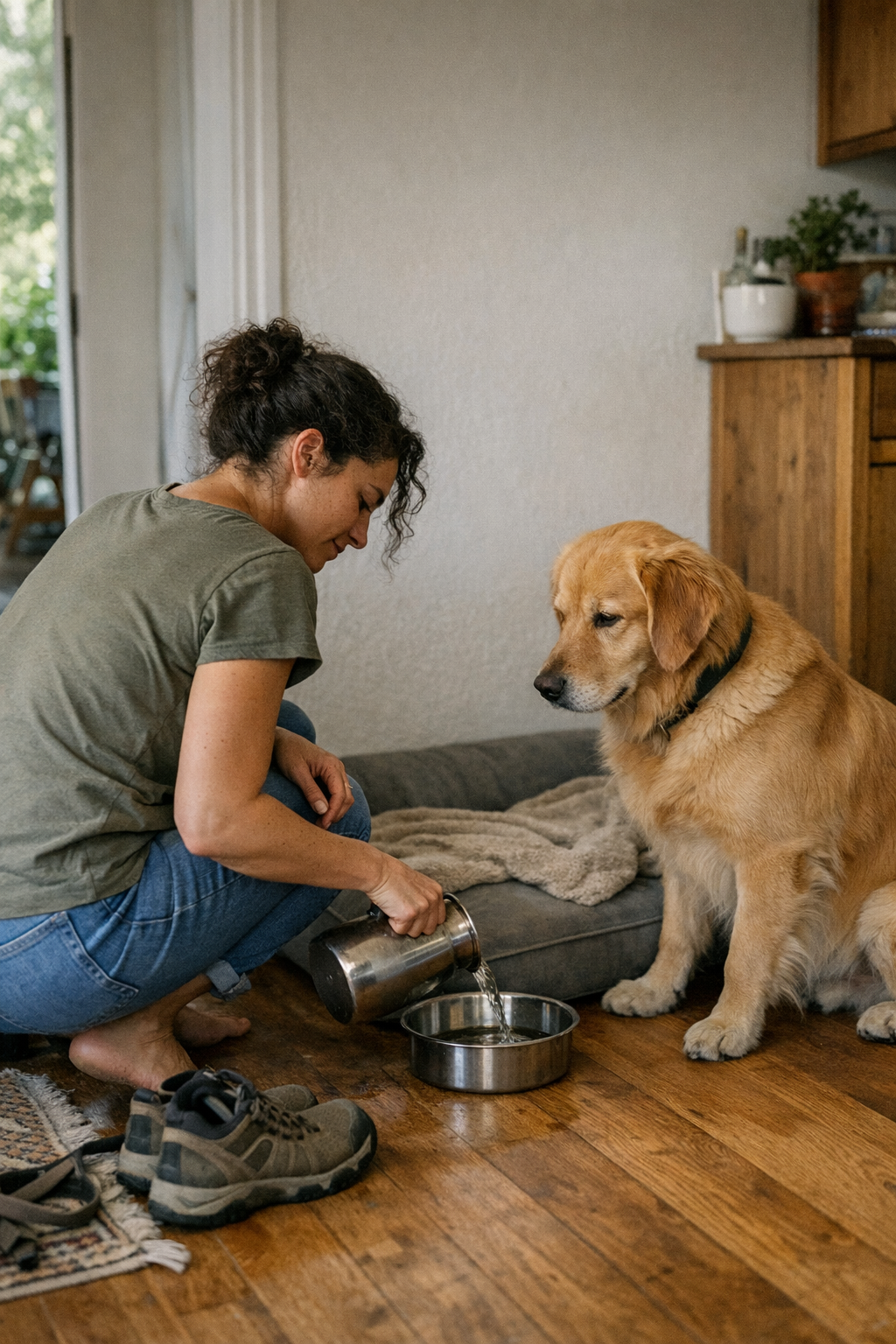
That first neat impression fades quickly after just a few curb-side stops. What looked separated—a wipe packet and bowl sharing the same outer pocket—turns muddled as items shift and rub during transit. At two a.m., every rustle feels louder, and you realize how a rattling bowl against cleanup wipes sends the wrong kind of signal. The leash hand hesitates, reaching back for a missing item that’s slipped beneath another. It’s not a disaster, but it’s quietly exhausting to dig through the jumble every time, especially when your hands are already full.
That tension between prepared and fumbling was the part that kept coming back.
Movement Uncovers the Choke Points
It’s not just about which side the gear sits on, or how neatly things were zipped at home. The real friction shows up when the trip is broken into multiple stops—pauses for quick cleanup, sudden pulls into tall grass, kneeling on uneven sidewalks as fading light squeezes time. If one pocket holds both wipes and bowls, every hurried grab turns into a small shuffle. When the routine repeats, it becomes clear: overlapping categories turn moving into a puzzle itself, making every restart feel louder and slower than you want. The difference shows most when you’re rushing, not settling in.
There’s real relief in having the leash hand know an item by feel alone.
A Small Separation Changes Everything
Moving wipes into their own flap pocket, separated from the bowl, made fumbling less likely. The reach became direct and simple: one pocket, one action. Even a slightly damp wipe didn’t matter because it no longer tangled around the bowl strap or added to rattling sounds. Cleanup happened where it should, and the small change brought a lighter rhythm to every loop outside. These are minor adjustments, but the repeated motions make all the difference—the routine smooths, interference by interference, until you’re just moving, not managing.
Sometimes the simplest changes really are the quietest improvements.
If you want to see what that looks like in practice, there’s a collection here—View the full collection