Small Car Messes That Build Up Over Time
Storing unrelated items together causes clutter to return quickly; separating categories reduces slowdowns and eases daily car use.
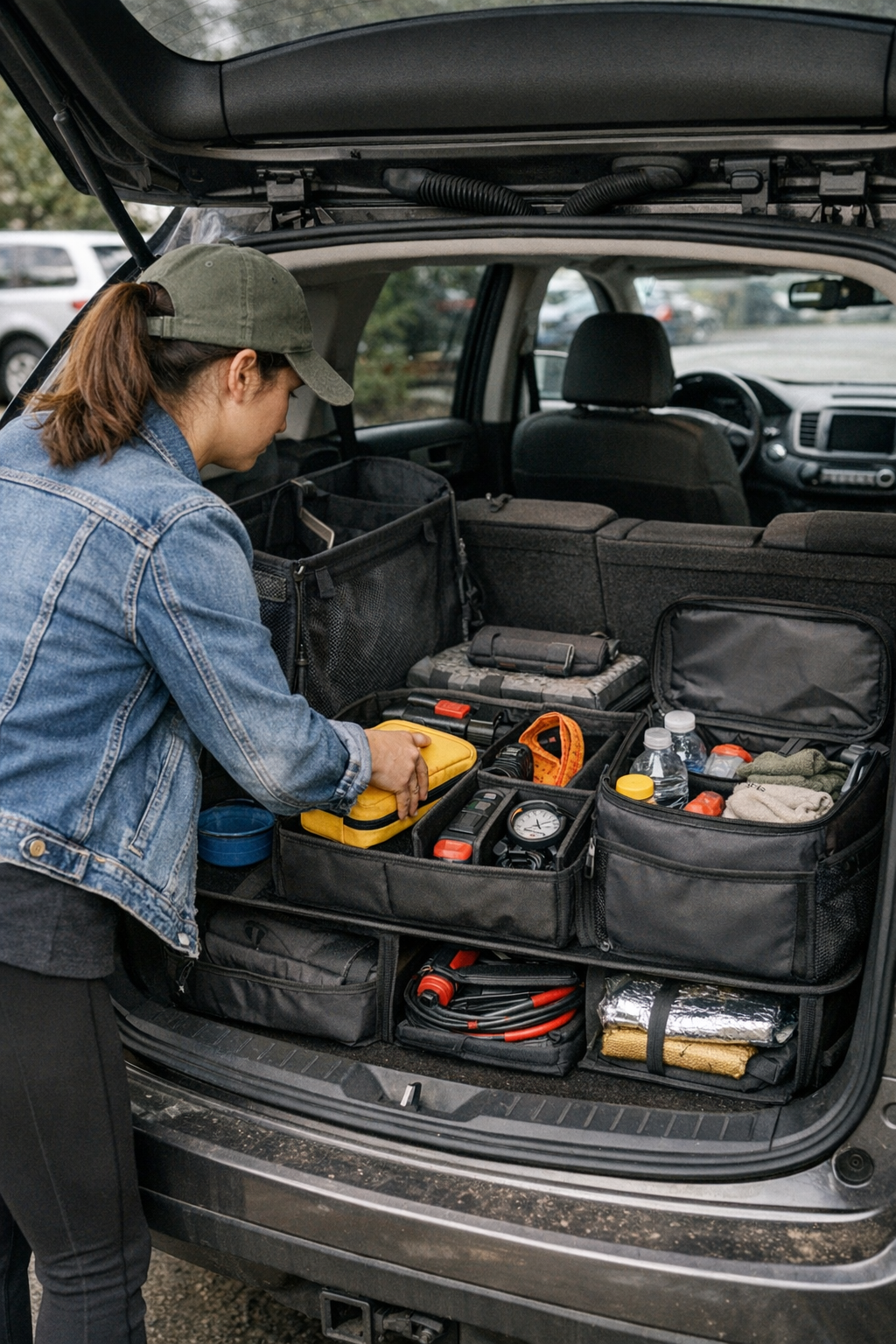
There’s a strange kind of relief after vacuuming out the car and lining up each console bin so it looks “reset”—like you’re starting fresh for the week. At first glance, everything sits where you’d expect. But after just a few back-to-back errands, that tidy illusion starts to fade. By midweek, you’re fishing a charger out from under a pile of wipes in the cupholder or nudging a dog leash off the gearshift—realizing how small delays creep in, even when nothing looks truly messy. It was never about how many items were inside, but about how easily every routine got tripped up.
You start noticing this after a few trips. Simple tasks that should be automatic—plugging in your phone, grabbing a snack for the dog, wiping down the windshield—require an extra shuffle. Chargers slip beneath random receipts, and one loose item sets off a domino effect, shifting everything just to find what you need. This cycle kept repeating.
The Hidden Weight of Blend Zones
Car interiors invite blending. One large tray promises all-in-one access, but daily use exposes something else. At first, things fall into place: wipes, keys, cables, snacks all together in the center console. It looks streamlined. But across drives, receipts get bent and twined with phone cords, sanitizer jams the USB port, and water bottles end up wedged awkwardly in footwells. A shape emerges—not hostile, just persistent and always returning.
Mixed storage zones create an illusion of control but cost time in practice. You reach for one thing and end up pulling two or three instead. A quick motion—like blindly feeling around for the spare charger in a crowded bin—turns into a pick-and-sort routine. With each rushed entry, the line between “organized” and just barely clean keeps blurring.
Noticing What Actually Lasts
Eventually, it became easier to separate things by use, not shape. The cable stopped getting looped with everything else and instead got its own lane near the seat edge, visible and untangled. Keys went into their own pocket instead of tossed in with wipes and loose change. Nothing drastic—just small, practical changes that lasted beyond the midpoint of the week.
Visual order fades quickly, but clear, functional sorting holds up. Single-purpose pockets and organizers aren’t about tidiness alone—they cut down on those little stumbles. I realized, almost too late, that even when the car looked clean, the feeling of slowdown persisted until the catch-all zones broke up.
Routines That Work Under Repetition
The difference showed up most during repeated use. Real-life car use is more about returning to the vehicle than leaving it. Coming back after errands or a dog walk, sometimes hands full, there’s little patience left for sorting or shifting gear. Organizers that keep tech separate from pet supplies or wipes save more than surface neatness—they lower the mental friction of just getting in and going.
Now, the charger stays reachable and untangled, travel wipes don’t wander, and the trunk remains predictable after loading groceries and gear. There’s a quiet satisfaction watching the car stay ready for use, not just clean.
If you want to experience what that feels like in practice, I found this here.