Small Changes That Ease Everyday Entryway Messes
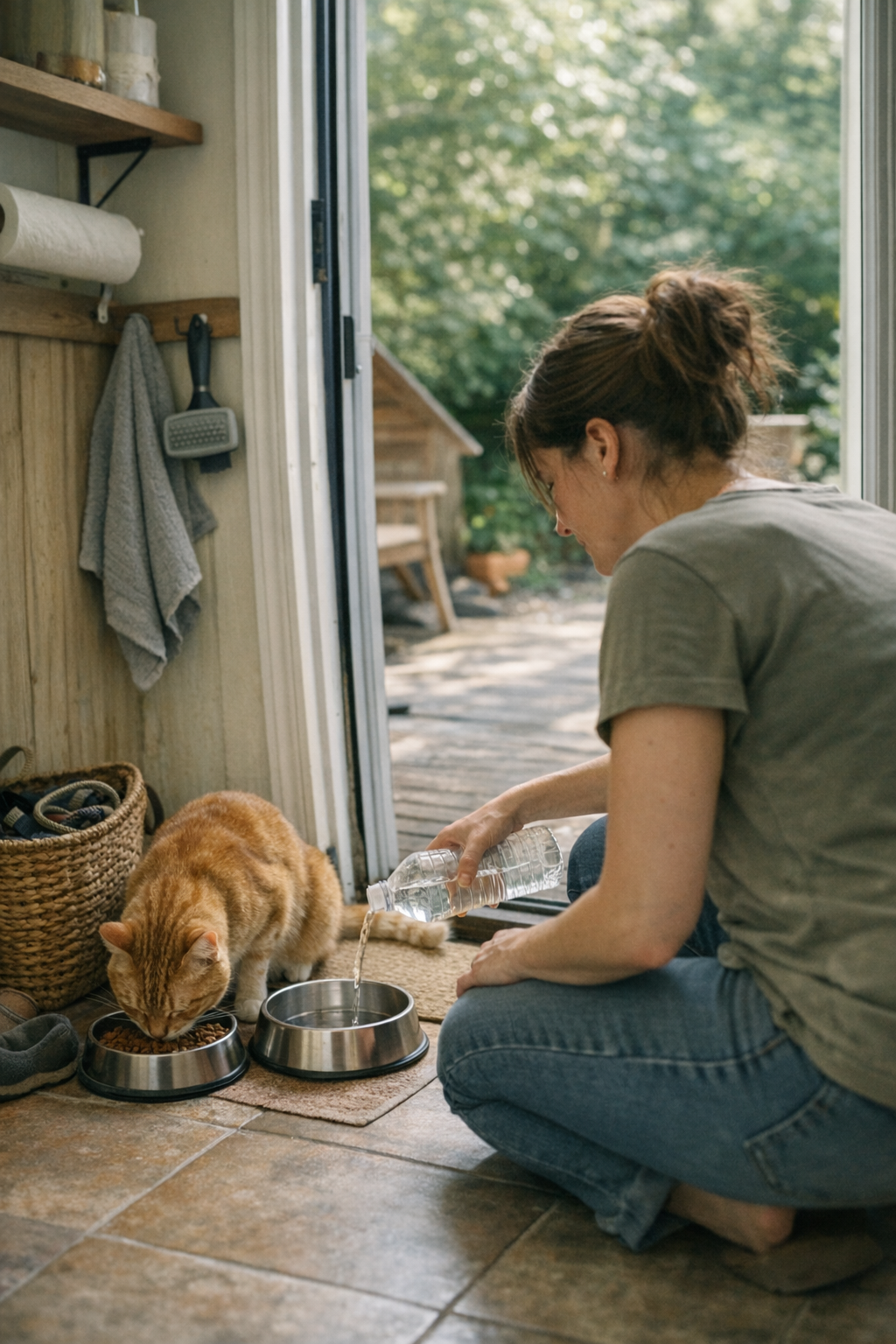
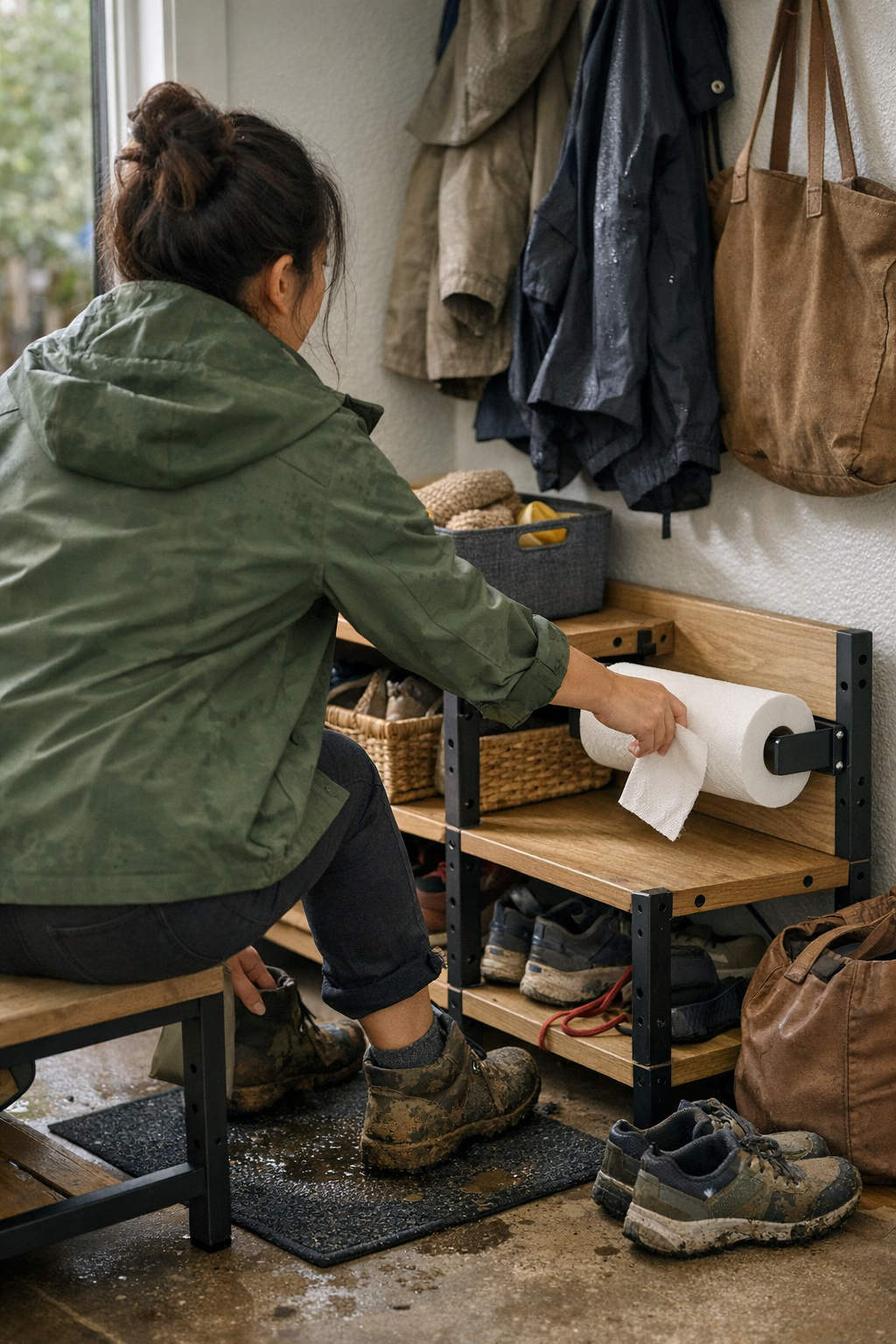
Placing paper towels at bench height inside the threshold prevents delays and repeats mess by matching supply access to movement flow.
There’s a kind of quiet relief that takes over when home transitions go unremarked and smooth. I used to think the stress of coming in with muddy boots or a dripping umbrella was just part of life—nothing a quick wipe and a little patience couldn’t fix. But I kept circling back to the same annoyance: wasted motion, dirt trails that escaped notice, and a subtle sense that the room was working against me instead of flowing in my favor. Even something as small as the hunt for paper towels seemed to let the mess get a head start. It wasn’t really about cleaning or organization. It was the way small routines repeatedly tripped up on details.
Moving With the Mess Instead of Against It
You don’t notice it immediately. But living through a season’s worth of wet entries and boot drops reveals where the friction hides. Wall-mounted holders and slim, reachable storage at bench level turn out to be less about appearances and more about meeting the action where it happens. Shoes scatter, bags slump over the drop zone, umbrellas land just outside the drip tray—things rarely stay as contained as we plan. But when the towel roll stays at hand, settled right by the gear bench or shoe row, a bit of order holds steady no matter how often you run in and out.
The thing I never expected was how often it saved me from backtracking. Just settling onto the bench, wrestling with soaked gear, and being able to reach for a towel without standing or digging through clutter—that’s a small kind of dignity. It’s a way the space quietly supports what life keeps tossing through the front door.
Routines Showing Where the Storage Belongs
This was the part I kept coming back to. There’s a temptation to hide necessities out of sight, behind bins or stacked on shelves, but routines then bend awkwardly around those hiding spots. I watched footprints slip through as I paused to fumble for supplies. A practical transition-space setup revealed itself gradually: the right placements soften the threshold, letting supplies meet you where you actually stand or sit—not where you think clutter should live. The result isn’t just a cleaner space—it feels less like constantly resetting and more like the house joins up with the rhythm of real arrivals and departures.
Sometimes that means letting a wall-mounted holder stay in full view, claiming its bit of the bench or a utility wall. When weather spills through, there’s no wondering or retracing. One reach, and cleanup fits itself right into the transition.
A Small Change That Outlasts the Weather
Over time, I saw the difference every time a child ran in trailing mud or groceries leaked rainwater on the tile. Paper towels truly within arm’s reach—right at the point of movement, not on a shelf or hidden behind bags—meant the entry didn’t get away from me. It let the room catch up with the moment before messes had a chance to wander further. That’s the kind of small, nearly invisible fix that carries you through a winter, or several years’ worth of arrivals and departures.
And something about that feels reassuringly permanent, even as every day looks a little different by the door.
If you’re curious to see more of how these quiet changes can shape a transition space, you can find a few examples here: http://www.betweenry.myshopify.com