Small Changes That Make Every Pet Stop Feel Easier
For pet owners with multiple travel stops, easy access to a comfort mat ensures smooth trips and instant paw comfort.
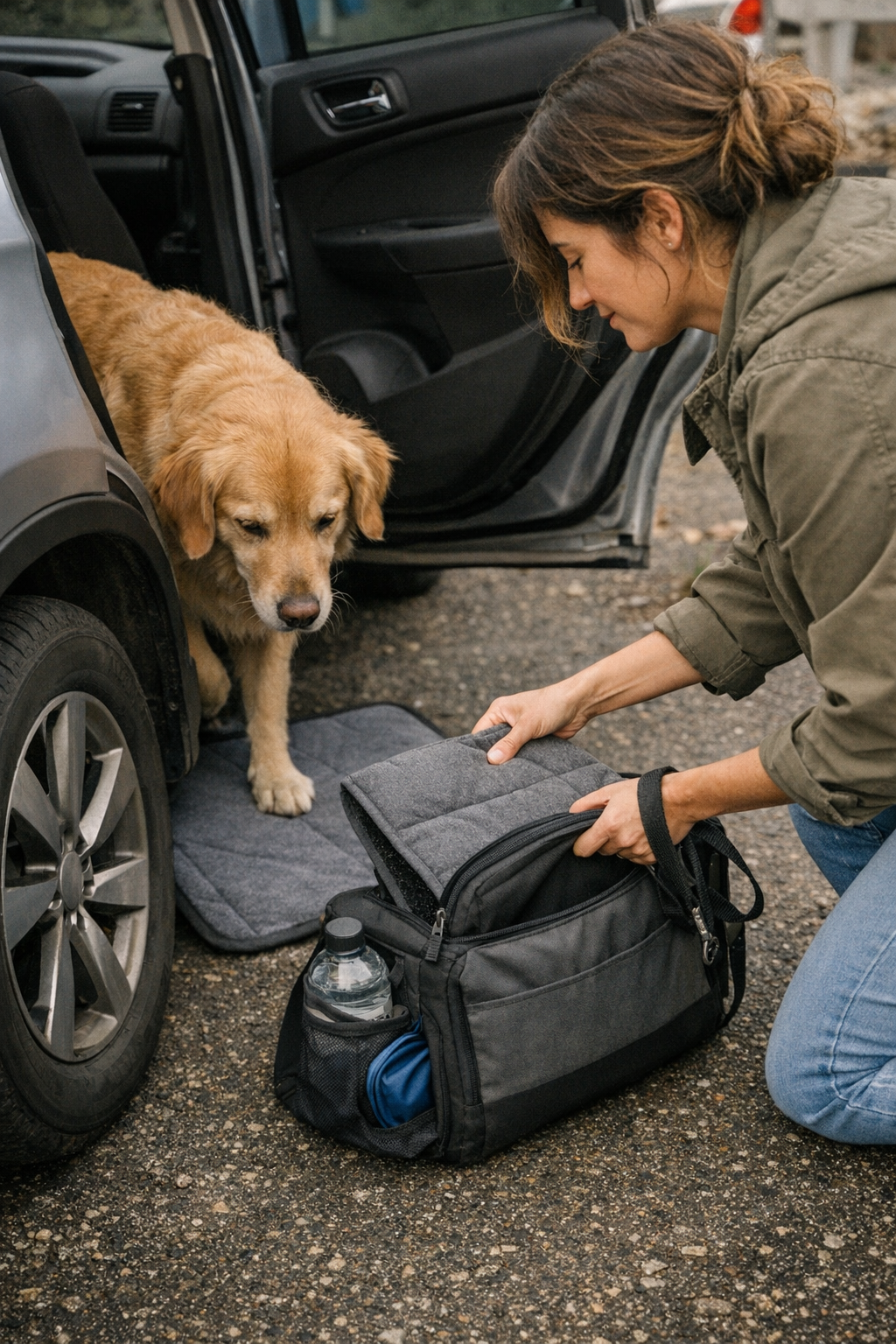
Between unlocking the car and coaxing your dog out to stretch their legs, there’s a clear gap between a pet travel setup that looks organized and one that actually moves smoothly in use. You might pack everything carefully—gear snapped into place, food and waste bags stowed neatly—so it all seems covered. But the real challenge of pet travel happens in motion: the quick pivots and grab-ready access don’t always match what’s zipped away at the start.
After a few trips, that difference becomes obvious. The smoothness promised by the organizer unravels bit by bit each time you pause. Movements that should be automatic—like pulling out a comfort mat when cold or rough ground surprises your dog—turn into awkward balancing acts. The bag holds everything you need, but routines still get clumsy. That repeated friction kept standing out.
Where the Flow Breaks
Most pet travel gear nods to comfort—a soft lining or a plush mat tucked deep inside a carrier. It looks supportive in theory. But between stops, when your dog hesitates at the car door, those comforts often become barriers. I learned this firsthand: every exit costs time when you need two hands just to tug the mat loose—from under bottles, wipes, or slumped bowls.
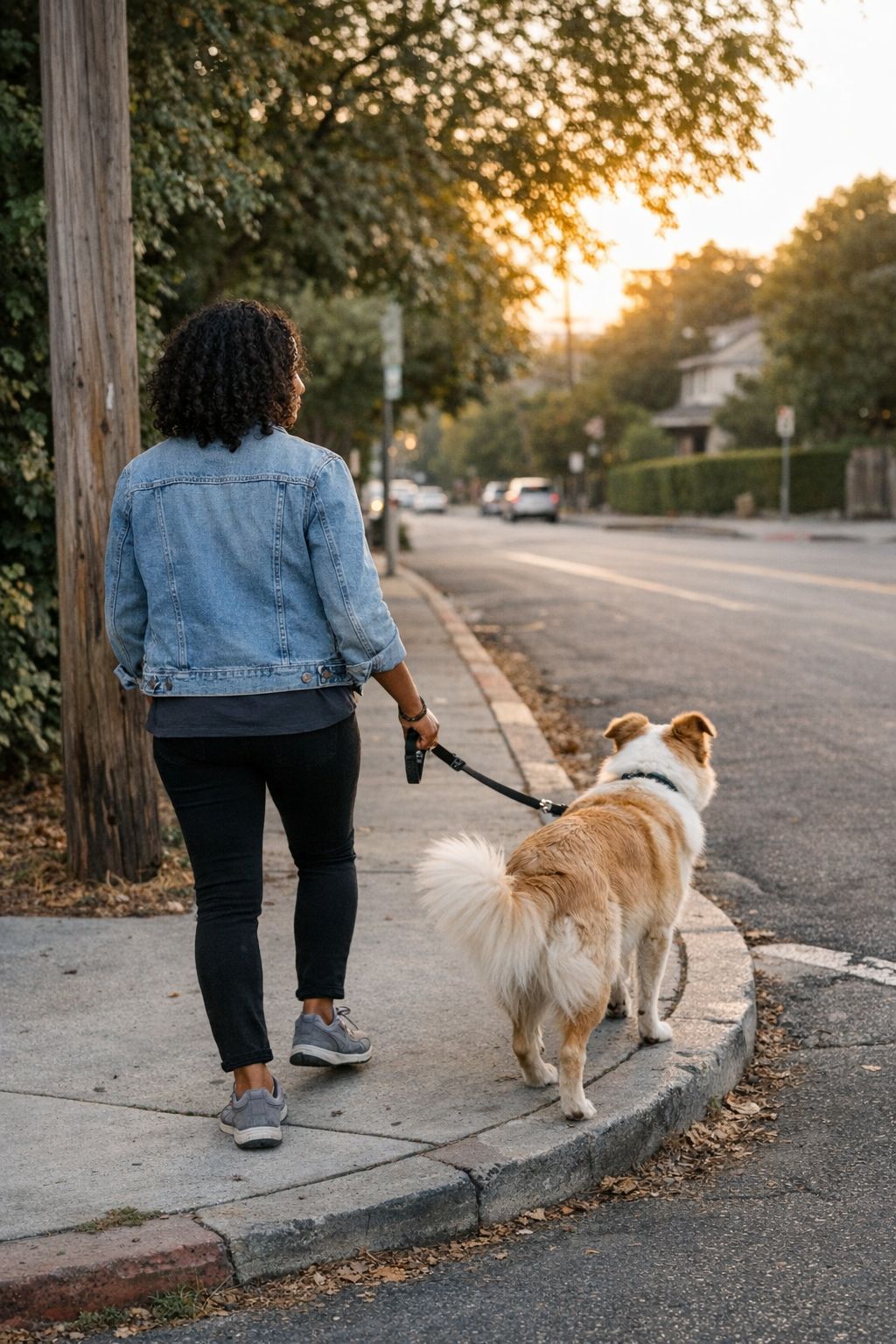
You find yourself holding your breath, leash in one hand, the other fumbling at zippers. Meanwhile, your dog loses confidence waiting on cold pavement or rough concrete. The setup isn’t wrong exactly, but it doesn’t support momentum. Small delays pile up at each stop, leaving both of you more tense by the third errand.
I kept thinking maybe the next trip would flow better. But the same gap kept showing up.
The Quieter Solution Shows Up in Small Adjustments
After enough awkward stops, juggling bags and leashes, I realized this wasn’t a storage problem—it was an access problem. The best setup wasn’t always the one with more pockets, but the one that let me grab the comfort mat with one smooth move, before disturbing anything else. The trick was giving comfort gear its own dedicated space, separate from food and cleanup supplies.
Once the mat had its own place—like a side pocket or two zippers above where the dog’s paws land—retrieval became automatic. The handoff felt cleaner, with no risk of snagging a carabiner or tipping a water bowl just to pull out a basic need. Without food and ground gear mixed together, each hand movement settled into a new, smoother rhythm.
It’s a small reorganization, but it resets the whole ritual. Where stops used to spiral into delays, now there’s more flow between accessible touchpoints and less frustration on both sides of the leash.
Comfort That Follows the Routine
There’s an odd relief when access finally matches intent. After several quick morning stops, I noticed the difference: mat out, dog down, ready for fresh air—without the usual “hang on, I have to find your pad” pause. When cleanup and water bowls lived in their own compartments, and the mat unrolled from a spot designed specifically for ground comfort, the change wasn’t dramatic but it was real and reliable.
This isn’t about adding more gear, but about shaping the setup to dissolve obstacles instead of shifting them around. Now, when I grab the bag for another round of errands or a quick park stop, I pay attention to how much easier exiting the car feels—not just for me, but for my dog. The day isn’t shorter, but it’s less broken by small frictions. That difference lightens the next outing, even if nothing else changes.
Sometimes, a small shift in where comfort sits makes all the movement smoother. There’s still more to figure out, but this part finally feels settled.
For anyone curious about the kinds of setups that helped me get here, you might like to see what’s on offer at PawGoTravel.