Small Stops That Disrupt Our Pet Walks
Pet-travel setups seem organized initially but inefficiencies emerge with stops; dedicated pockets for key items reduce pauses and improve flow.
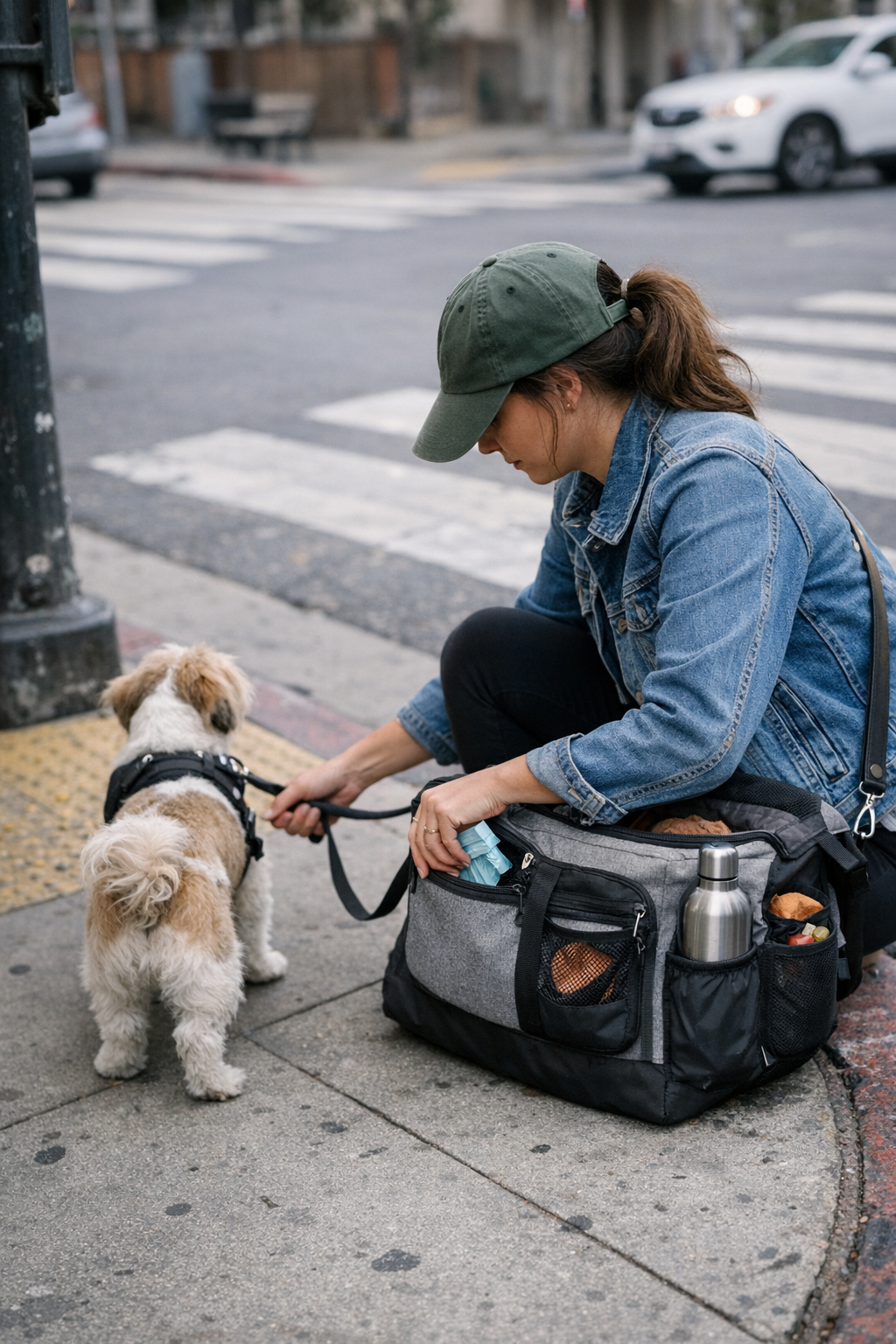
You don’t always see the real problem when you’re first packing the bag. Everything fits, everything zips up neatly. Before a trip, it all looks organized—treats in their pouch, wipes tucked in a side pocket, leash clipped and ready. But only after a few stops, when movement is interrupted and starts again, do those small frictions begin to show.
The Disappearing Calm
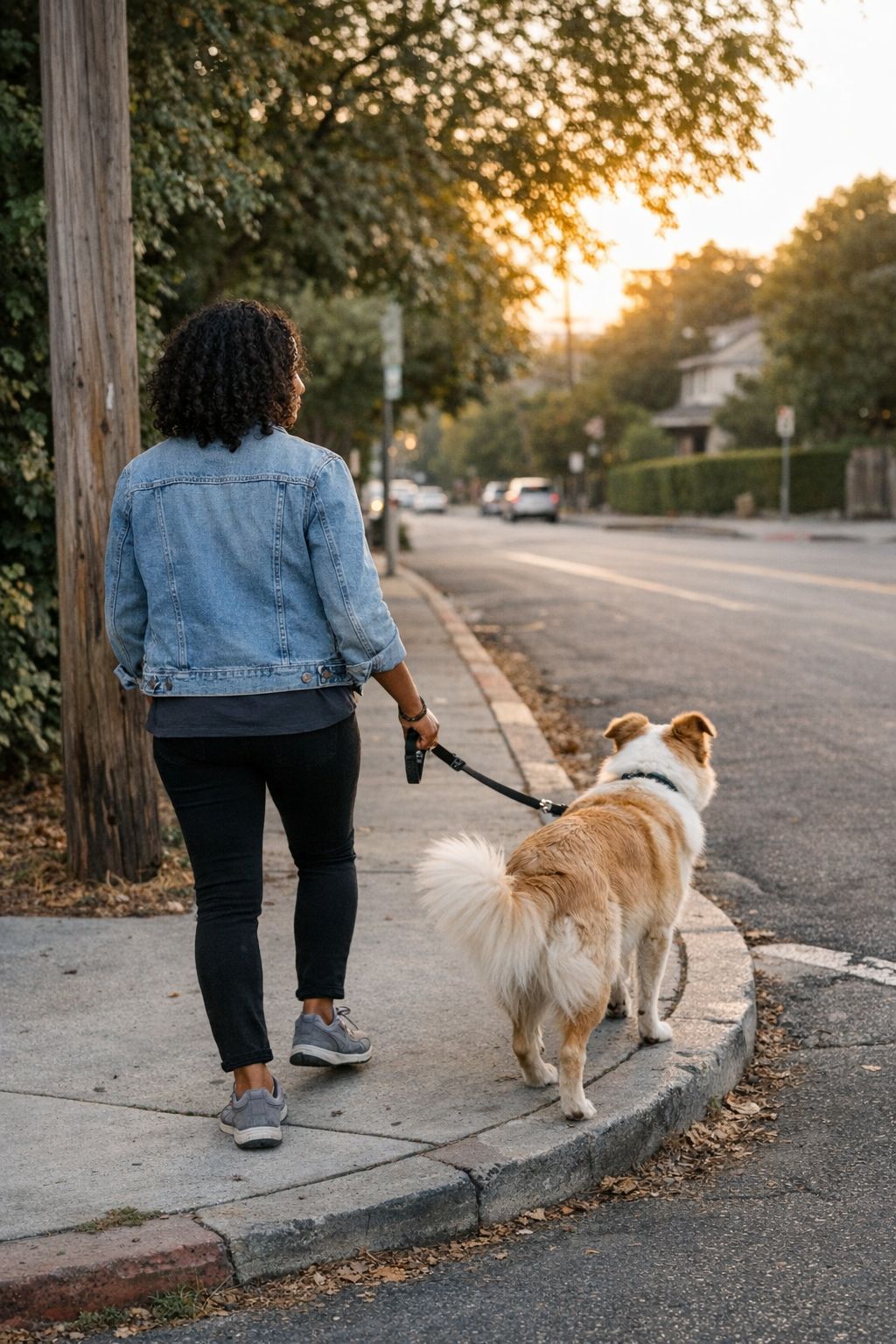
At a crosswalk, you notice it. One of those short, necessary halts where your pet waits, tail low, while you reach for a cleanup wipe or a stray snack. The thing you need is never right there—it’s under something else, behind a blocked pocket, or tangled with a water bottle that rolls if you dig too fast. Preparedness, it turns out, feels very different once you’re in motion rather than at home.
It looked fine at first. That curbside stop: you keep the bag slung, holding the leash, reaching with your free hand for wipes that, on paper, have their place. But in practice, a tangled row of pockets means fumbling, moving one item to get to another. It works in the kitchen, sure. Outside, with a dog tracking every gesture, it costs something quieter—a bit of patience, a disruption of routine calm.
Repeated use makes the problem clearer. If you tap into a single direct-access pocket, the messy double-hand shuffle fades. Calm returns sooner. The reward isn’t flashy: just less tension, a less anxious pet, a flow that rides through more stops and starts than you expected.
When “Setup” Is Not Structure
This difference kept showing up. Most pet travel bags are designed for tidy looks—rows of pockets, smart interior slots, things secured, nothing trailing. But by the third or fourth stop, reaching again for the same high-use items, surface neatness stops helping. Every stacked or overlapping pouch becomes another friction point to pause, reshuffle, restart.
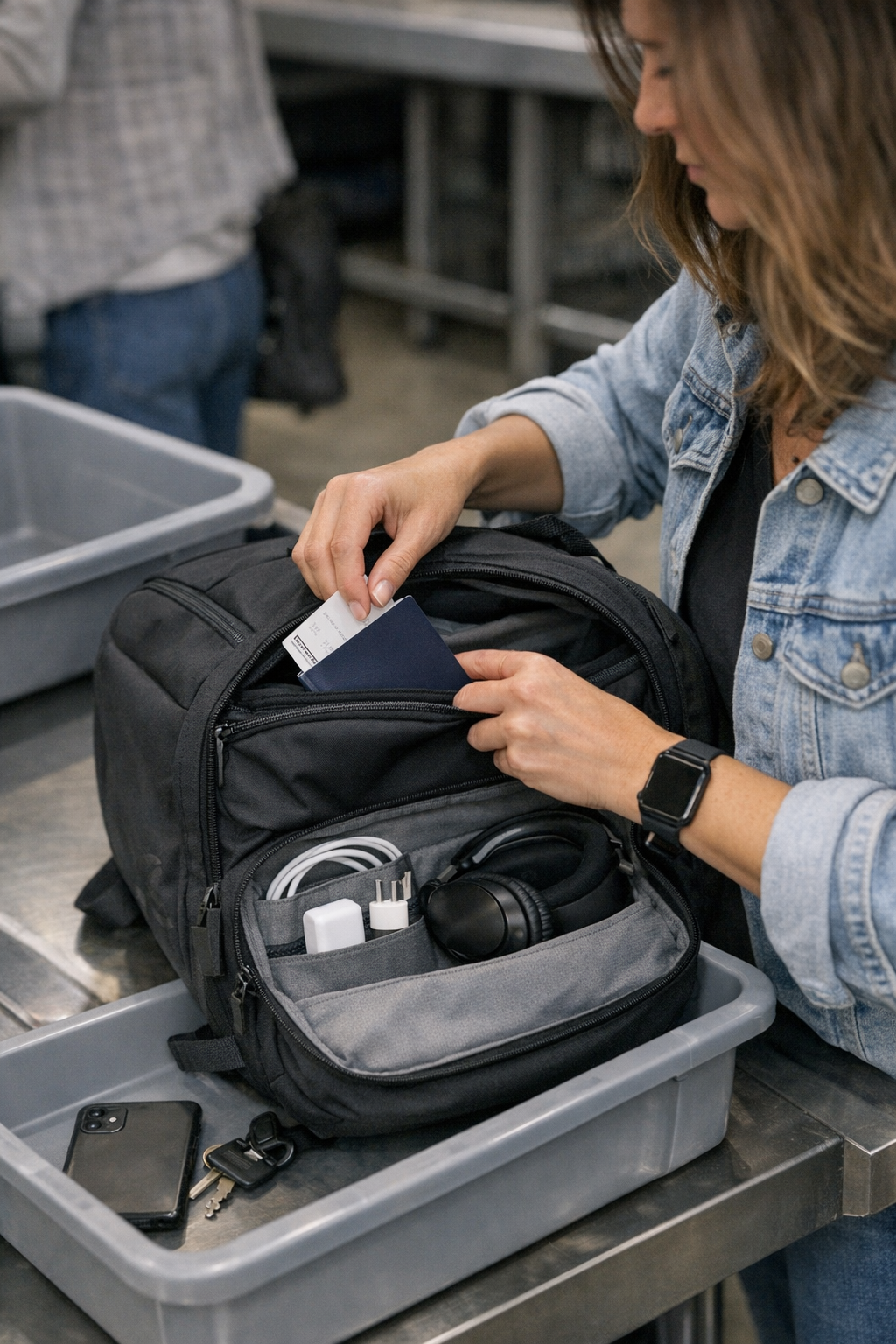
There is a small, concrete shift that matters more on real streets than color matches or extra compartments. Creating one direct-access pocket for the single most-used item—say, wipes or cleanup bags—feels wrong at first, breaking the bag’s outer symmetry. But after a few trips, that repeated fumble disappears; the essential item surfaces every time, as if the bag anticipated the pause.
This is the part that stays with you: The things you grab most are either at the ready or lost behind another layer, and that’s the real difference between smooth routines and stuttered ones.
Repeat Interruptions, Real Change
You notice habits forming: pausing, steadying your bag, one hand free, the other anticipating the reach. Every blocked zip or hidden item is a small interruption. Taken together, it slows you and your pet, often at the moment you want movement most—crossing the street, grabbing a seat, meeting another dog along the trail.
The practical insight, if it even is one, is simple: direct access always beats clever stacking when your movement breaks up. After changing just one pocket, every outing felt a little easier. That change was quieter than you’d expect. No new gear, just a different slot for wipes and bags; a routine that let stops shrink instead of stretch.
It’s never a big dramatic spill that shapes the day. It’s the fifth time you reach for something and don’t have to disturb two other things to get it. Comfort, for pets and us alike, rides quietly on these unnoticed, repeated moments.
Sometimes, finding what works is just about giving a little space to what’s actually used. Quiet, small pockets add up.
If you want to see what that looks like in practice, the setups I ended up relying on are still here: http://www.pawgotravel.myshopify.com