The Calm of a Single Spot That Never Moves
A fixed storage point keeps retrieval and reset routines stable, preventing clutter and confusion as daily use and shared traffic increase.
It’s a small, creeping thing—the way storage systems lose their shape over time. At first, everything in the house feels thoughtfully placed: hooks, trays, and modular bins lined up with soft precision. The idea behind Gridry’s wall systems, shelving, and modular units is flexibility—an order that can shift as life shifts. But after a few weeks, there’s an odd sense of searching. Suddenly, nothing is quite where you left it. The promise of a tidy, well-organized space lets go, little by little, until you find yourself retracing steps just to find the essentials.
Fixed Spots Hold Up When Life Doesn’t Pause
The truth is, you don’t notice it immediately. One day, the keys drift to a mobile basket, chargers spill into the wrong drawer unit, and sunglasses end up somewhere new. You feel the disruption in the stutter of your morning. The same bins and shelves that once felt clever—like underbed and hidden storage or slim cabinets—begin to shift out of their intended order. Flexible walls and floor system units seem perfect for changing seasons, but daily use is different. The single mounted hook by the door—the spot that doesn’t move—suddenly feels indispensable.
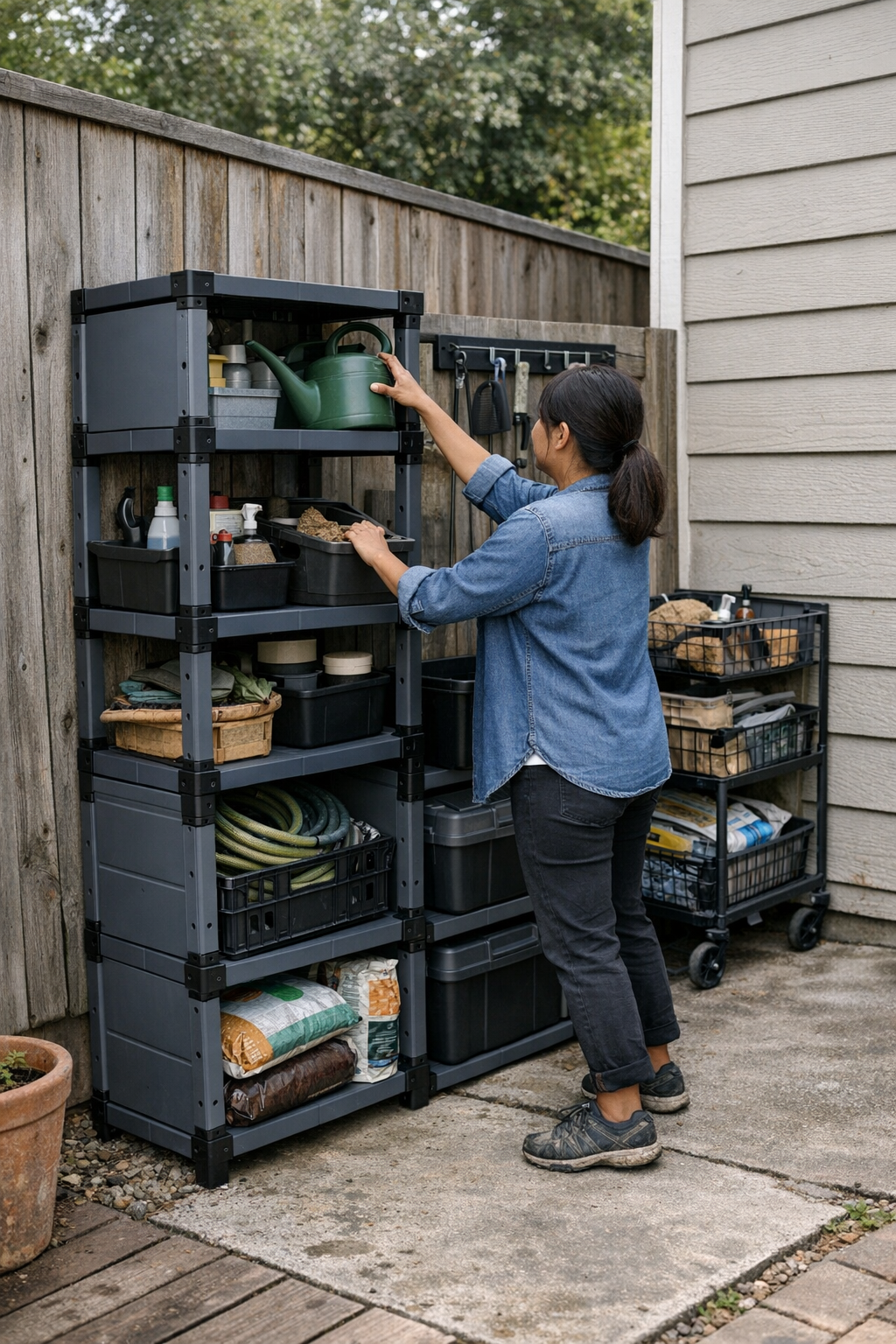
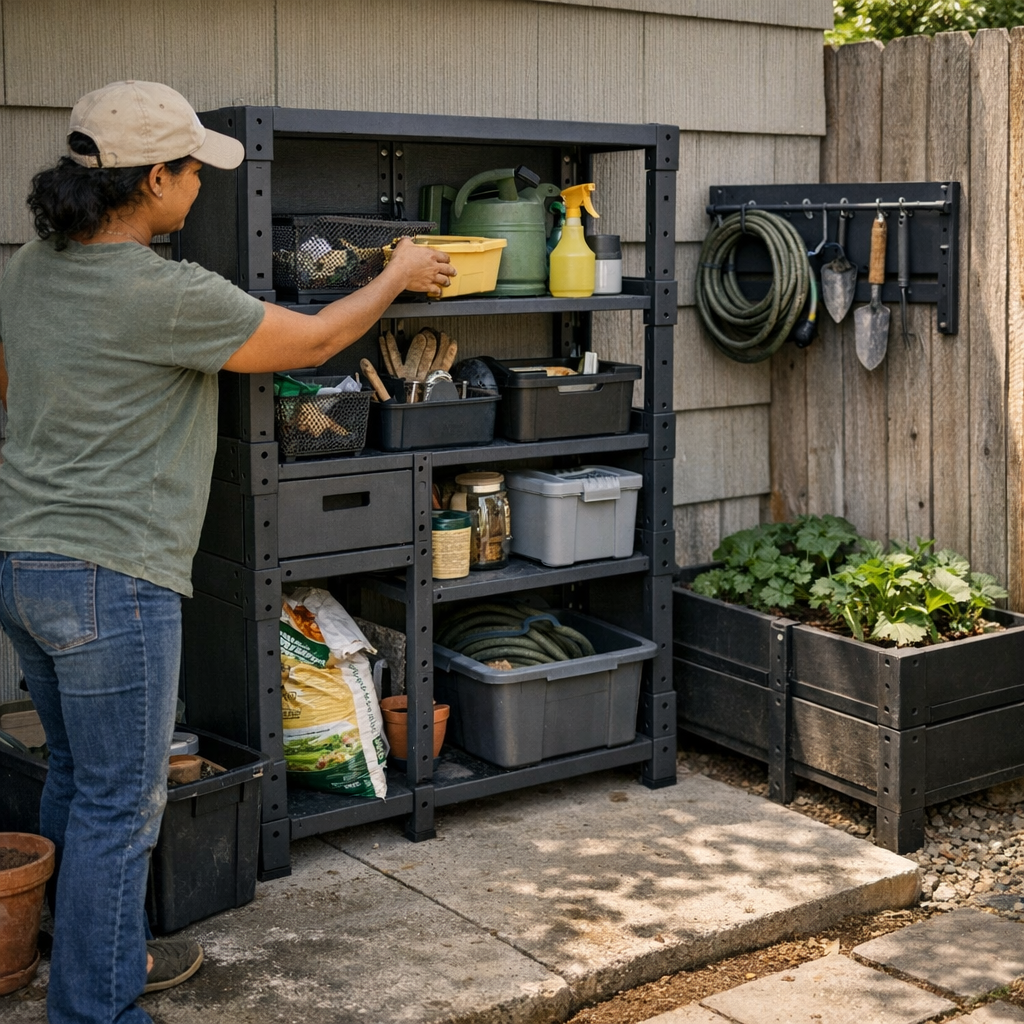
There’s a subtle steadiness in returning items to places that won’t wander. Over time, I found that those reliable fixed points—the anchored shelves, dedicated wall hooks, or storage benches—were the spots that survived the churn of busy days and shared use. The unmovable spot became a quiet relief, pulling everyone back to a simple routine even as overflow and spillover crept around the edges.
Mobility Is Appealing, but Drifting Creates Trouble
It’s easy to like the look of shelves that slide or bins that swap places within a modular system. Early on, I thought more options meant more calm. What happened instead was a parade of misplaced permission slips, borrowed earbuds, and occasional late fees. Mobile storage encourages what I call “category drift.” For example, a basket meant for outgoing mail caught random receipts, or a sideboard intended for clean towels made room for sports gear. Mixed use without anchored boundaries invites spillover and blocked movement.
It all seems manageable until the reset burden grows. When categories bleed and overflow doubles up on the nearest tray or drawer, resets take longer and become a repeated hassle. The difference isn’t just in how things look—it’s how it feels to come home and not have to wonder where things are, or to tug on a flexible shelf only to find it overloaded or misplaced.
The Tension Between Organization and Usability
This wasn’t a dramatic collapse, just a slow, familiar unraveling of routines and storage logic. In the busiest zones—a bathroom shelf, a closet drawer, or the first step past the threshold—the need for fixed points made itself obvious. Even as overflow built up around the edges, the basics were always found where they belonged.
Something shifts when storage holds still. Returning items becomes almost automatic; retrieval stops feeling like another chore. The edges of organization hold up better, even when routines fray from mixed-use or limited room. Maybe that's all anyone really needs: one spot anchored so life stays a little easier, no matter how much else moves around it.
If you’re curious where I landed after this, I found a few favorites among Gridry’s wall systems, drawer units, and storage benches that combine fixed points with enough flexibility to hold steady through daily life’s shifts.