The Quiet Frustration of Repacking on the Go
Carry-on setups that look organized often slow you down during repeated travel; separate pockets improve repeated ease and speed.
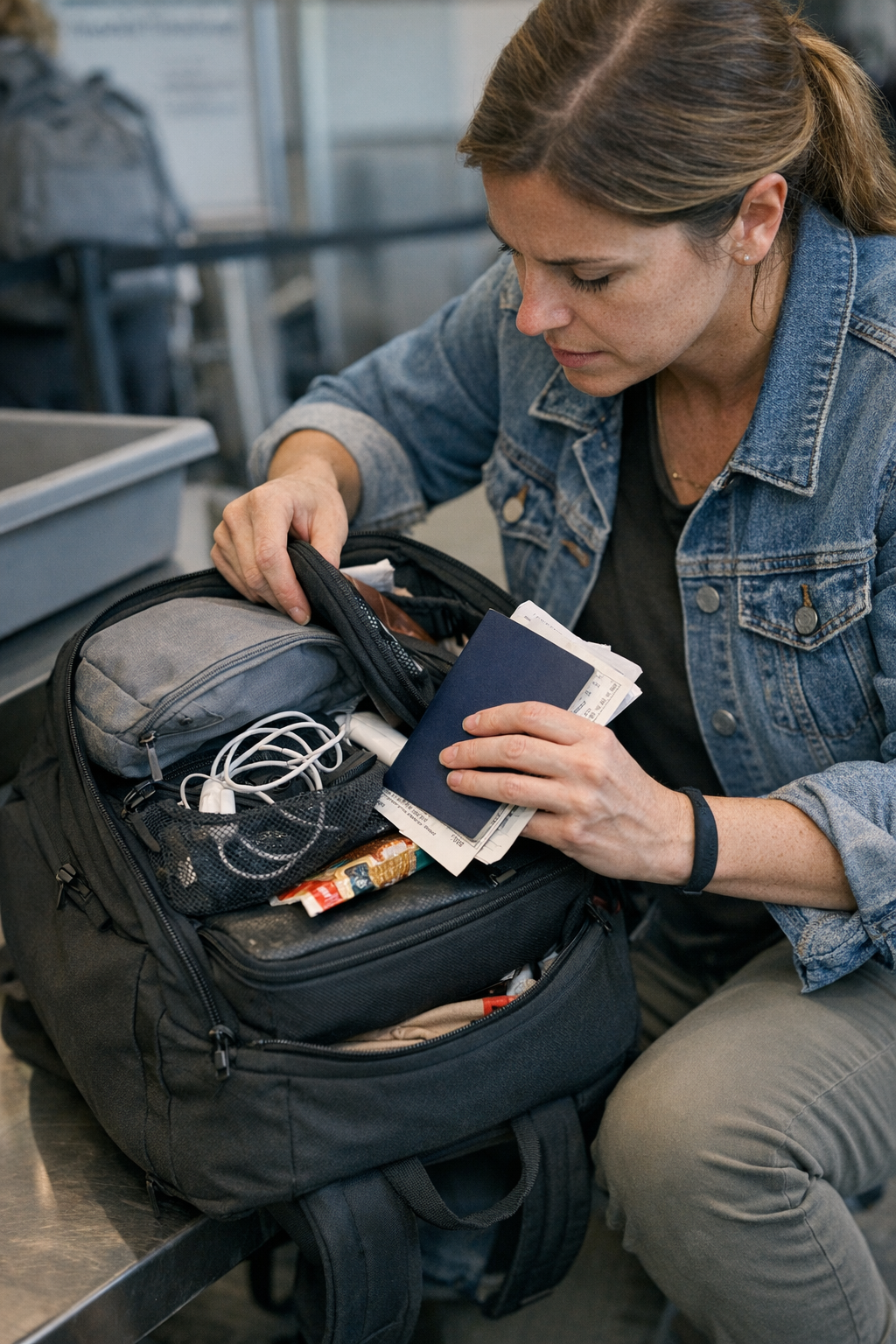
At first, I thought a well-packed carry-on would solve all the small travel hassles. Every trip started the same: pouches neatly stacked inside, cables rolled tight, all documents organized in their sleeves. It felt controlled—almost calming. But that sense faded somewhere between the second and third airport checkpoint. What seemed like tidy compartmentalization at home quickly became a source of friction in the constant motion of travel.
You notice it after a few transitions. Suddenly, reaching for a passport means sliding a pouch aside. The tech sleeve that fit perfectly on top now blocks easy access to the boarding pass. Each time I had to move two or three things to find one, it added seconds, tension, and a mental pause. It looked fine at first, but the difference showed up in those tight, in-between moments—when the line behind feels impatient, or grabbing a snack mid-flight turns into a slow unpack-and-restack dance.
What kept coming back, quietly but insistently, was how each layer multiplied touchpoints. It was as if the bag itself kept demanding a bit more attention every time. The neat setup was unraveling, not in appearance, but in practical use.
Interruption in the Details
Travel has a different rhythm than packing at home. Repacking feels final, but airports demand fast, direct reach—grab, use, return—without extra shuffling. That’s where stacked organizers start to slow things down.
The routine would slip out of sync. After security, I’d realize the toiletry bag was stashed above daily essentials, so grabbing headphones meant moving it twice. One pocket became jammed with documents and receipts, its zipper fighting to close over the clutter. In the overhead bin, I’d spot my cable organizer blocking my ID pouch. These bumps don’t matter alone, but they stack up fast.
A setup that works perfectly when untouched falls apart with each small correction—each unconscious reprioritization felt in every pause and pocket adjustment.
When Overlap Outpaces Order
Most thoughtfully packed bags look flawless after loading and even after a first retrieval. But repeated use—gate to gate, seat to seat—reveals a new beat: overlap quietly outpaces order.
I’d put a pouch back quickly, only to find the next reach slower. Every fix, every adjustment seemed to reshuffle the original packing logic. Sliding a boarding pass beside a phone, tucking a snack next to a cord, moving a pouch to ease a stubborn zipper—each solve created a fresh snag.
This was the part that stuck with me. What worked for static storage was undermined by the reality of travel flow. The difference between being “organized” and having fast, repeatable, low-friction access showed most when I was tired, in a hurry, or carrying too much in one arm.
The Small Change That Lasted
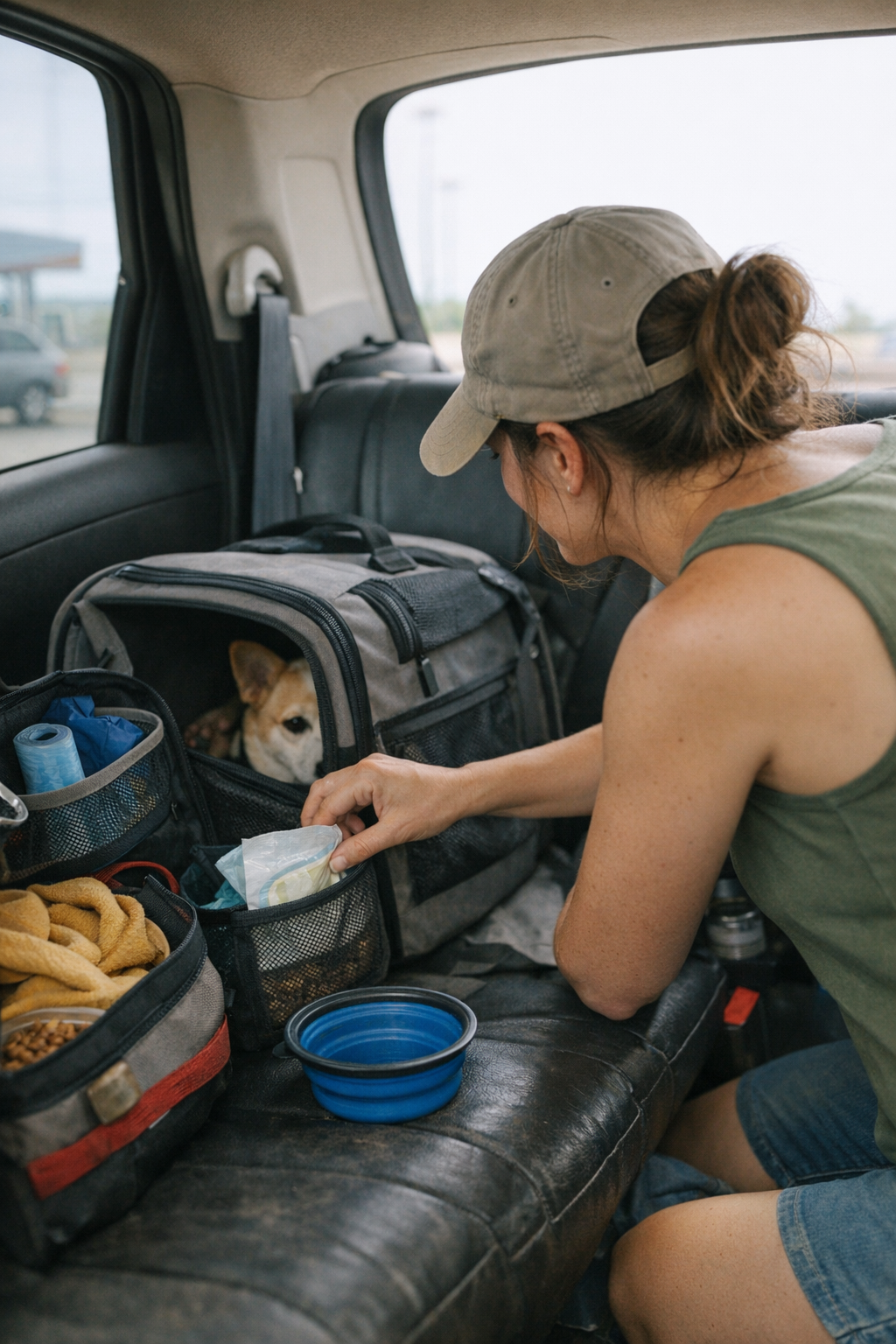
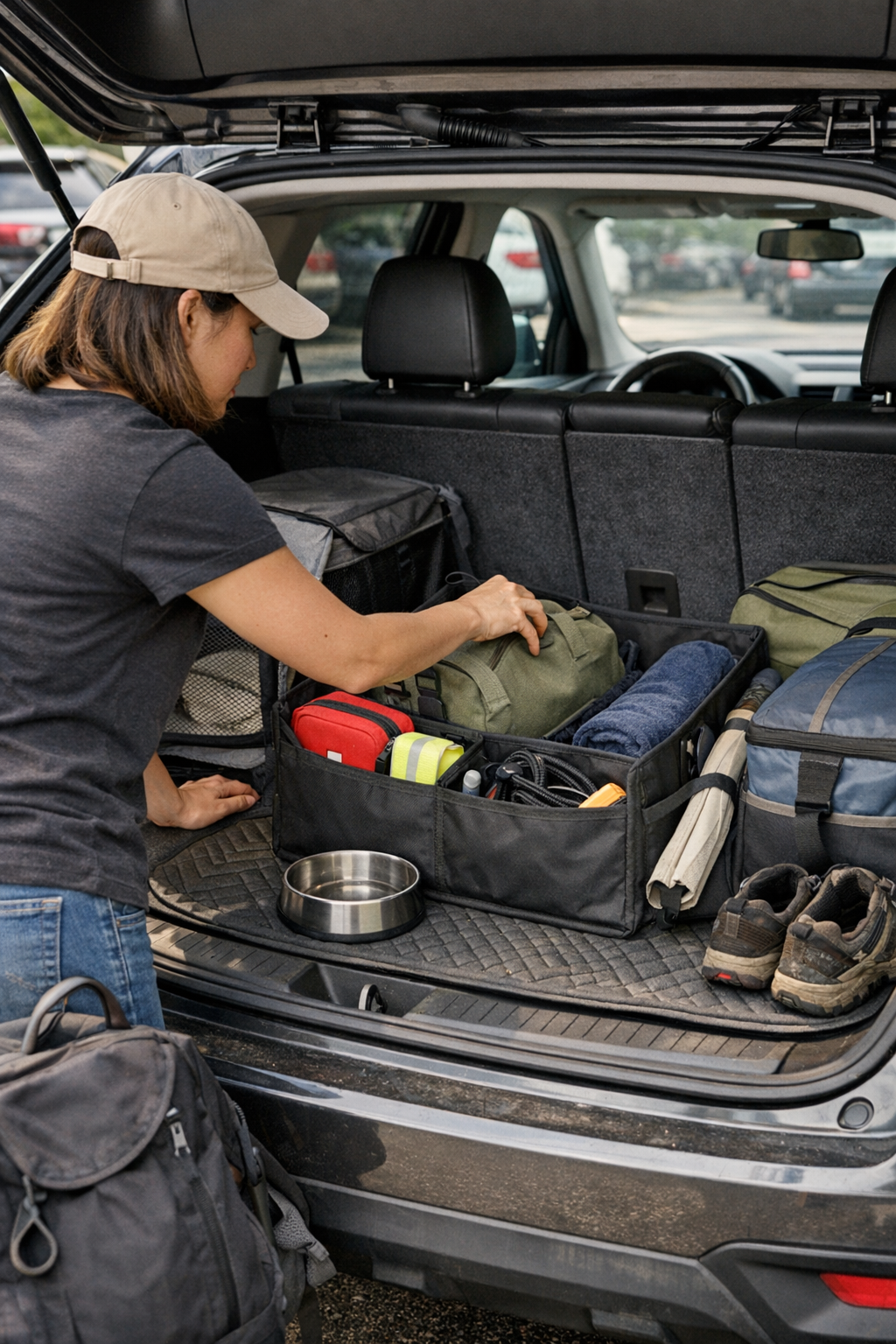
The change, when it came, was smaller than the frustration that inspired it. Instead of compression and stacking, I split items by how I accessed them regularly. Documents and must-haves went into a flat, shallow external pocket—easy to reach without digging. Bulky things—cables, snacks—lived one layer deeper, out of the quick-reach path for tickets or ID.
This quiet shift made one thing clear: at every checkpoint, gate, or repacking moment, I could move more naturally. No lifting pouches to get what I needed, no unzipping past the very thing in hand. One clean reach and return, not three. It eased the pressure on the internal organization, freeing my attention for boarding announcements or breathing room between flights.
The bag didn’t look more minimalist. It was just less interrupted.
Sometimes it takes a few trips for the rhythm of repeated use to reveal itself—a reminder that small, lived-in changes keep us moving smoothly.