The Quiet Impact of Box Depth on Everyday Lighting
Checking box depth before buying lighting prevents mounting, wiring, and shadow issues that worsen with use, ensuring reliable, frustration-free fixtures.
Sometimes the signs of a poor fit only become clear after a few weeks of living with a lighting fixture. You install a new flush or semi-flush ceiling light—something slim that promises a clean line. At first, it looks fine. But little by little, issues emerge: the fixture won’t sit completely flush, a subtle wobble develops, and you begin to notice a thin ring of shadow where the ceiling should be evenly lit. The right word is unfinished—nothing visually bold, but quietly distracting.
You don’t notice it immediately.
But you feel it.
The Distance Between Looked-At and Lived-With
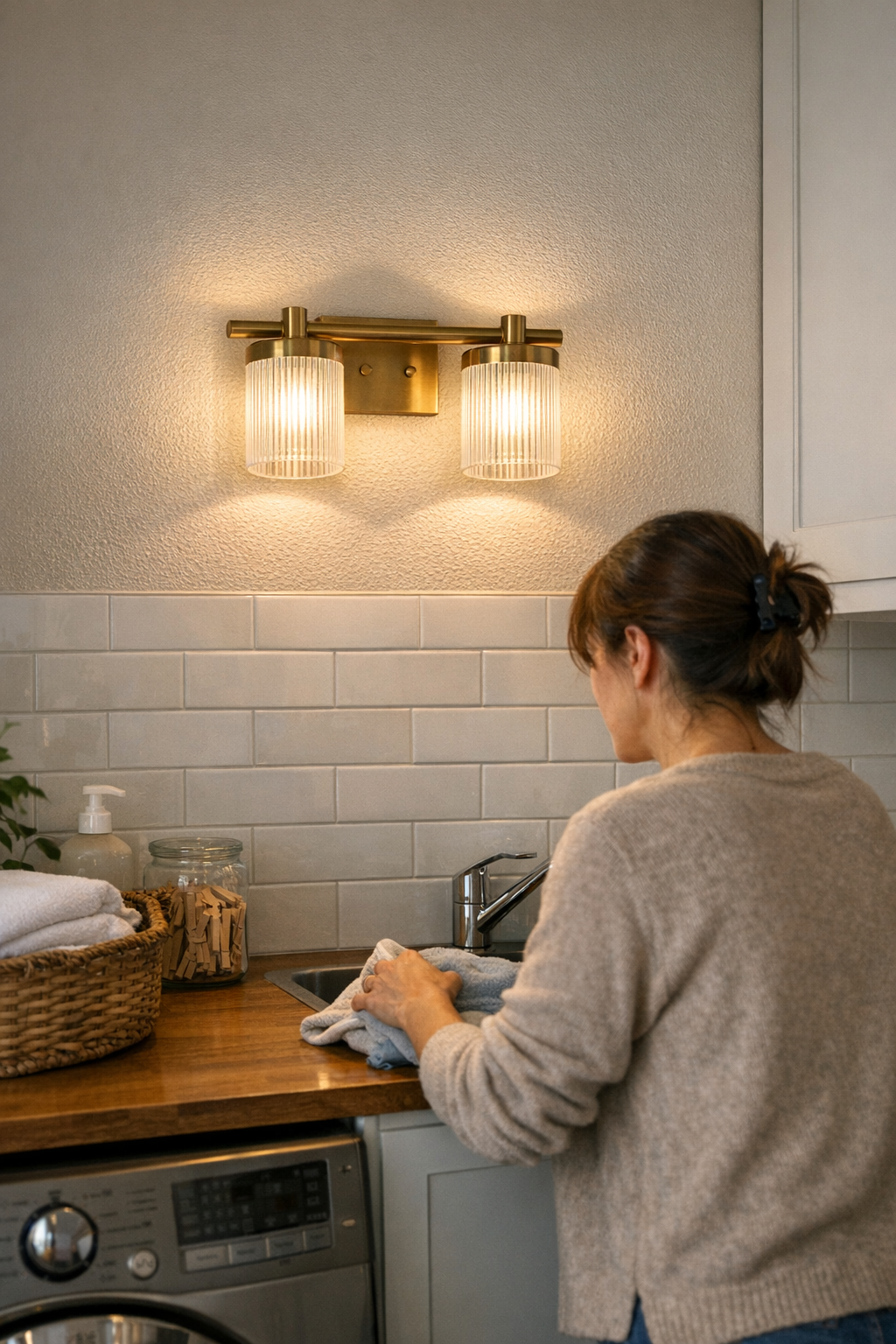
Boxes and wiring might sound like minor details—until they shape the quality of light you experience daily. I started noticing this around the laundry counter, where the fixture never seemed quite steady, tilting slightly with each brush or bulb change. Over time, the shadow along the tile backsplash and cabinetry edge stopped feeling like a quirk and became a real nuisance. I hadn’t expected the quality of light to depend so much on something so ordinary, but every passing moment made it clearer.
Corners suffer most: shadows that refuse to diffuse, or spots by the mirror that never appear balanced. The room looks bright enough overall, but the key functional areas—like laundry counters or hallway searching spots—never receive the even, focused light they need. That’s the issue I kept returning to.
Gaps and Wires That Don’t Forget
The slimmer the fixture, the less room there is for a shallow junction box or cramped wiring. A few millimeters of mismatch quickly become a persistent annoyance. A fixture that wobbles or wires that feel pinched don’t draw urgent attention—but they don’t blend into the background either. I found myself pushing the light back into place repeatedly. Still, the mounting was always a little unsettled—faint shadow lines on the ceiling, a soft buzz of exposed hardware visible in the evening light.
It’s surprising how quickly you adapt. The fixture wasn’t falling or flickering, yet each day chipped away a fraction of your trust: would this side keep tilting? Would the wires finally pinch? Each cleaning was a reminder. The experience of moving through your own space becomes less about light color or brightness, and more about whether the lighting quietly supports the room's practical, repeated use.
The Shift When Things Finally Click
My change came after an electrician mentioned the box depth. Swapping in a deeper junction box wasn’t dramatic—it was just smoothness at last. The light sat tight and unobtrusive, which turned out to be exactly what the space needed. Shadows softened or disappeared. The wobble and buzz stopped. Laundry ceased to feel like a workaround and became simply part of the room’s routine.
It’s easy to think lighting is just about the fixture, but sometimes it’s the unseen details behind the scenes—and how quietly they perform—that turn a room from mildly frustrating into supportive. You learn to trust your lighting again.
If you’re curious about how different fixtures perform in daily use—flush mount ceiling lights, semi-flush mounts, panels, wall sconces, vanity lighting, under-cabinet task lights, bathroom-rated fixtures, or damp rated indoor lights—there’s more to explore here: http://www.lighthelper.myshopify.com