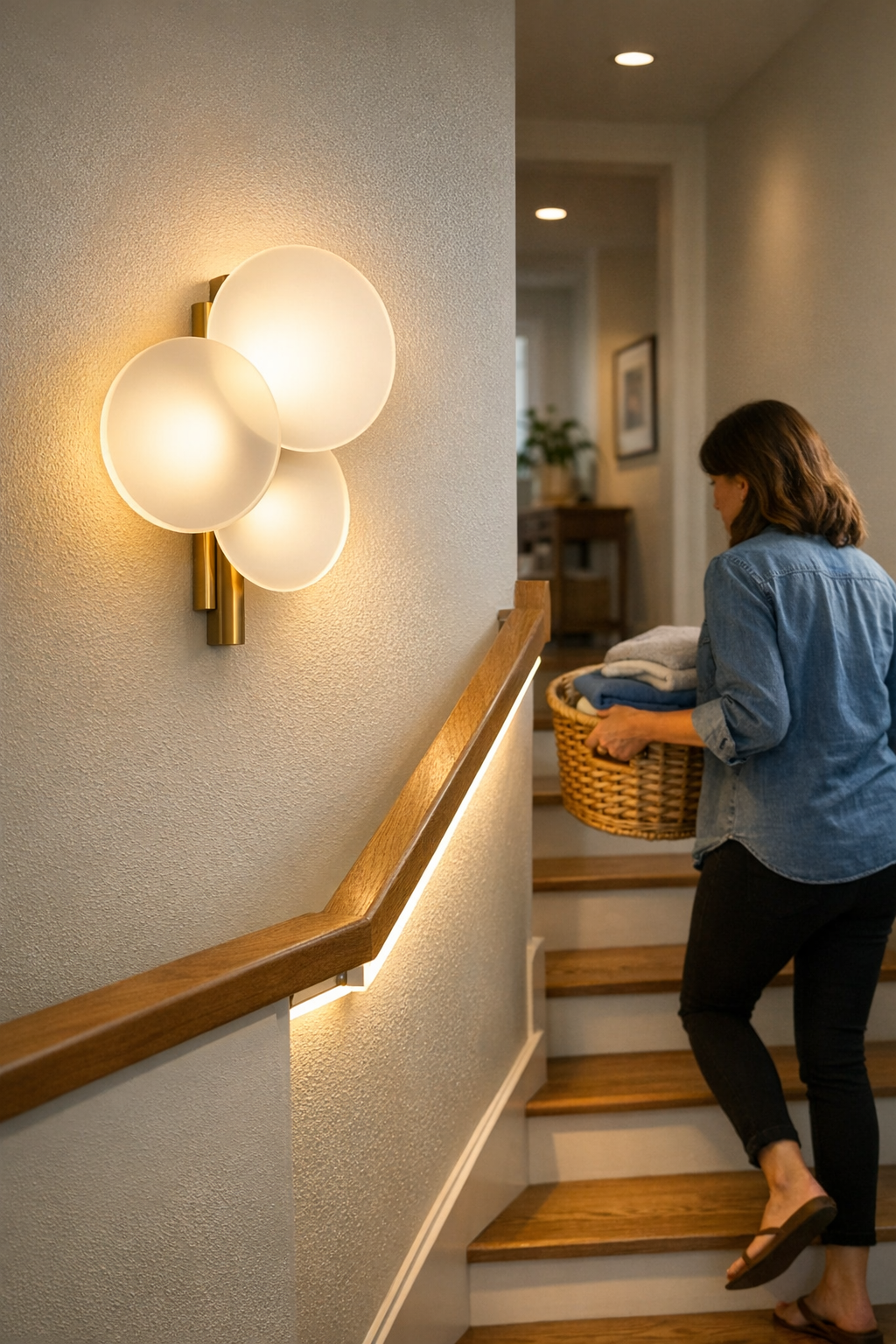
The Quiet Impact of Connector Fit in Everyday Lighting
Correctly sized connectors keep fixtures stable and safe, preventing gaps, flicker, and mounting issues, especially in damp or high-use areas.
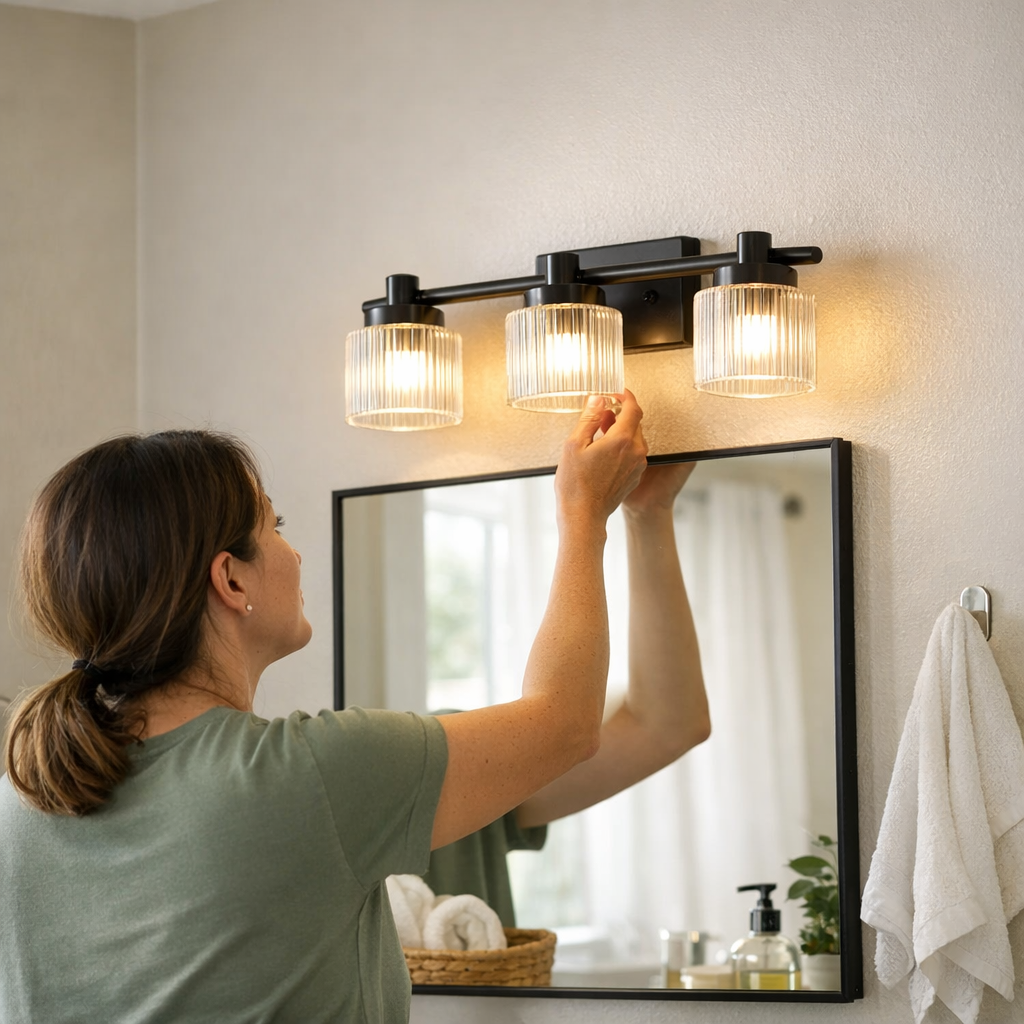
Some corners of a house quietly ask for attention, though not in the way you’d expect. These spaces aren’t about color or symmetry as much as the way their lighting fits—or doesn’t. It might be the subtle flicker in a hallway or a fixture that never quite sits flush. These small issues disrupt the flow of light, noticeable only because you keep passing through them.
It took me some time to realize how much a connector size shapes the everyday feel of a room. Not dramatically, but in small, persistent ways—bathroom lights, laundry corners, stairway fixtures that seemed fine at first but felt off after living with them. The moment this shift happens rarely comes with fanfare. One day, you’re dusting; the next, you’re bumping a loose lamp cover or running a finger along a ridge where dust settles faster than usual. The difference sits quietly at the edge of your vision.
Where Things Land After the First Week
You don’t notice it right away.
Flush mount lights, semi-flush mounts, linear or panel ceiling lights, and hardwired wall sconces tend to feel solid right after installation. Everything seems finished for a few days. But in actual daily use—closing doors, climbing stairs at night, reaching quickly under a cabinet—you start to sense the shift.
A fixture with the wrong connector size doesn’t fail immediately. Instead, it grows squishy around the edges: a subtle tremor when a door swings shut, a faint shadow at the ceiling line, or a wobbly dust line catching exactly at the mount. Spaces like hallways, laundry rooms, and bathrooms reveal these slip-ups sooner. What was almost invisible on day one becomes persistent. You find yourself tucking the cover back in place or hoping that flicker at the vanity mirror won’t develop into something worse.
How a Minor Flaw Persists
But you feel it.
Day by day, a missing fit reveals itself in routine: a fixture sitting a quarter-inch off, a seam that refuses to close, or a lamp allowing dampness to creep in around the edges. The light still comes on, but unevenly. Key spots for clarity—over mirrors, on stair turns, inside entryways—experience uneven light spread, creeping shadows, or stray lines that disrupt glare control and task visibility.
It’s the kind of imperfection you wonder if anyone else notices. Most won’t. But you’re the one brushing dust away, swapping bulbs, or reseating plates because the cover won’t sit flat. That becomes part of the ongoing maintenance.
What Changed With the Right Fit
This is the part I kept revisiting.
Ultimately, matching the connector to the fixture—not just by brand or spec but ensuring it fits flush—quieted all the fuss. No more rotating the mount into place weekly or cleaning repeated dust lines. The difference showed itself in small but meaningful ways: a lamp that stays steady when hallway doors close, a bathroom fixture that holds tight into steam, the relief of not having to fuss over the cover each month.
Steadiness is easy to miss until it returns—one less detail drifting out of shape in the background of daily life and movement through well-lit spaces.
If you want to see what that kind of fit looks like, there’s a soft example here: http://www.lighthelper.myshopify.com