The Quiet Relief of a Well-Organized Car Cabin
The right cabin balance favors fast, open access over extreme neatness, reducing interruptions and making daily driving smoother.
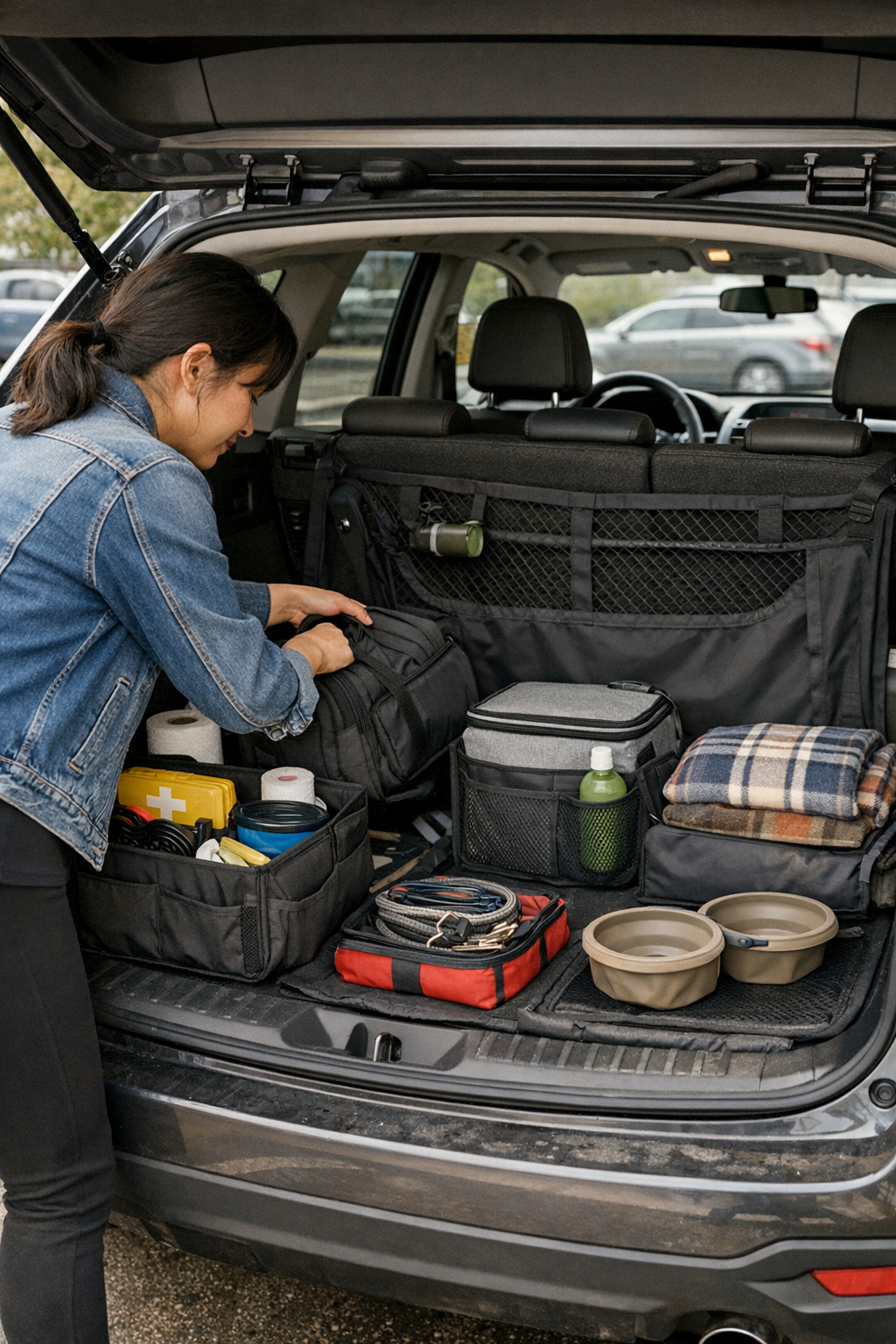
The relief of a tidy car hits you in small waves, usually after a few days of driving without struggle. It’s the difference between slipping in, grabbing your charger, and heading off, and fumbling through a tight loop of organizers and neat, hidden compartments. At first, everything might look calm and orderly, but living with that setup reveals something else underneath.
My first instinct was to minimize, to favor a clean line: cords tucked away, organizers flat against the seat backs, storage all zipped and stowed. It looked fine initially. But the difference kept showing up. Time and again, I’d reach for a phone cable or wipes at a stoplight, only to get caught—either literally, on a rigid edge, or stuck in a scramble for what should have been easy to grab. Even routine stops dragged—bag, phone, mask—all needing to be shuffled or detangled at every return.
Surfaces vs. Flow
Keeping the car visually clear felt good for about a day. After that, usability crept in. The spaces around the seat, the edges of cup holders, the inside of the console—these spots you don’t notice until you’ve had to reach into them enough times. It might sound small, but when you’re carrying groceries or managing a call, hidden storage tricks quickly become a burden.
You realize it’s not really about looks. Order can actually increase friction if it means your hands travel further or have to untangle more. The moments you need most—quick wipes for spills, sliding a bag across for a passenger, grabbing a charger—are when clutter, hidden or not, feels sharpest.
The Weight of “Clean”
What shifted my thinking was a busy week of errands. The trunk was organized, yet everything seemed to block something else. My seat protector kept bunching at the edge; the phone mount stayed put but grew stiff against a bulkier cord setup. In trying to make the car “lighter,” I’d gone too far—emptiness gave way to drift, and every item had a mind of its own.
The practical fix was quiet: move the most-used gear closer, not deeper in. Chargers stayed by the driver-side seat, wipes and tools in spots where my hand landed by instinct. Some order stayed for repeat access. I stopped thinking of the space as something to keep pristine and started treating it as something to live in and adjust as I went.
Returning, Again
Some routines repeat more stubbornly than others. Getting back in after a quick errand—hands full, phone chiming, keys buried deep in a coat. That’s when the difference shows. A setup that looks clean but takes two extra steps wears you down more than a little obvious clutter would. I started noticing which pockets slowed me down and which spaces made returning to the driver’s seat easier on a tired Wednesday night.
A lighter-feeling cabin turns out to be less about the absence of stuff and more about less wasted movement. Driving every day, you learn which part of your setup offers real ease, not just a sense of order. The rest fades into the background, letting you come and go without that slow feeling of always needing to reset.
If you’re curious, there’s a quiet catalog of these car-use details out there—here’s one place I’ve found them collected.