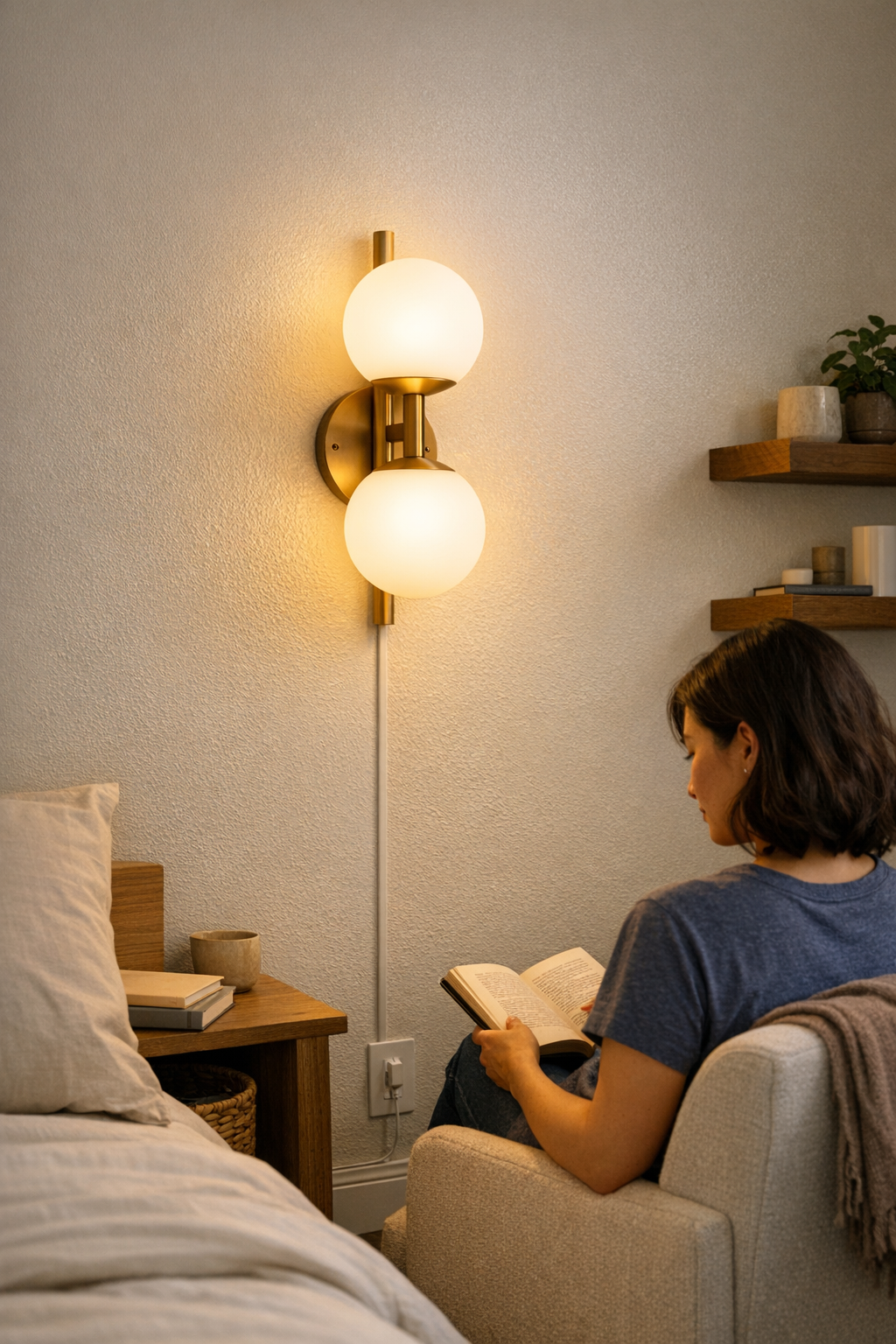
The Quiet Shift That Changed My Workday Lighting
Refocusing a desk lamp to target your hands instead of the whole surface reduces fatigue and improves efficiency in repeated tasks.
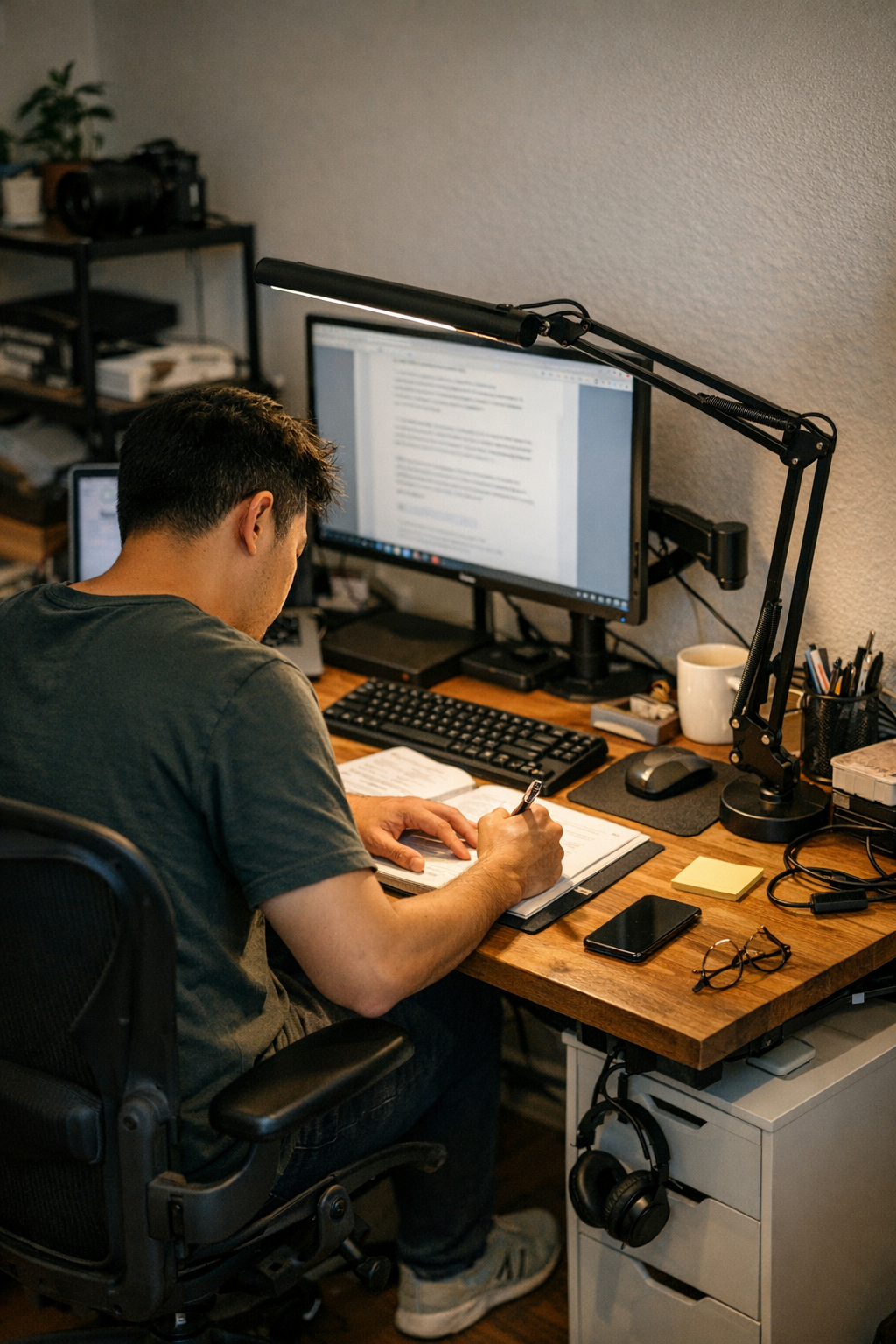
There’s a point, late in a long week, when the desk surface blurs—where objects and paper stacks all blend in, the light itself starting to feel both necessary and slightly in the way. I never really noticed how much my desk lamp’s position dictated this slow drift, until one evening when my hands kept slipping in and out of shadow as I reached for a notebook near the keyboard. It wasn’t about brightness, really, but about where the light actually landed—whether it made my work easier, or just made the desk seem neutrally “lit.” That moment stayed with me longer than I expected.
Lighting the Whole Desk Isn't Quite Enough
At first glance, a generously lit desk looks organized. Every part of the surface is visible; the glare over the monitor matches neatly with the glow at the edges. That’s what I aimed for, anyway, thinking more light meant fewer distractions.
But after days of working—editing, writing, sorting through notes—I kept finding myself nudging the lamp mid-task. The corners gathered dust and the cables crowded in, exposed but still tangled in their cable tray. The reach for a pen was clean visually, but my shadowed hands always pulled me out of focus.
You notice it after a few days.
The Small Shift of Lighting Where Work Happens
It turned out the missing piece was simple: focusing the lamp on the place where my hands actually moved most. Instead of sweeping one wide pool of light over everything, I angled the clamp lamp so its beam fell directly on the zone where I typed, wrote, or sorted papers across the desktop organizer.
Suddenly, the shadows went away—even tiny slips of paper or the edge of a book came into clear relief. The pens and tools I needed stayed in view, while the stray things at the desk’s edge faded out of attention unless I needed them. Cable clip sleeves kept cords tamed in that hand zone without creeping into the leg space under the desk.
That was the part that stayed with me. The work area became quieter, the cleanups faster, and the late-day strain on my eyes dropped off without much planning. Even switching between keyboard and notebook felt less awkward because light no longer shifted or dimmed on critical spots.
A Quiet, Repeated Realization at the Desk
Now, each time I set up for a new task, I notice how easy it is to reset the space when the light falls on the hand zone itself. There's less time lost dragging the lamp around or clearing cables that sneak into the wrong places near my under-desk storage unit. Even posture, usually drifting as the day goes on, holds steadier when the task chair and monitor riser align with a well-lit surface.
It looked fine at first. But the difference kept showing up—not as a big productivity win, but as a kind of ongoing ease. The desk feels like it’s working with me, rather than just being a surface I manage. Repeated work sessions, especially late in the day, have become more comfortable without additional effort.
Some weeks, that’s enough.
If you’re curious about where small shifts can make a difference in your setup, you might find more here: http://www.workbasic.myshopify.com