The Quiet Strain of Uneven Hallway Lighting at Home
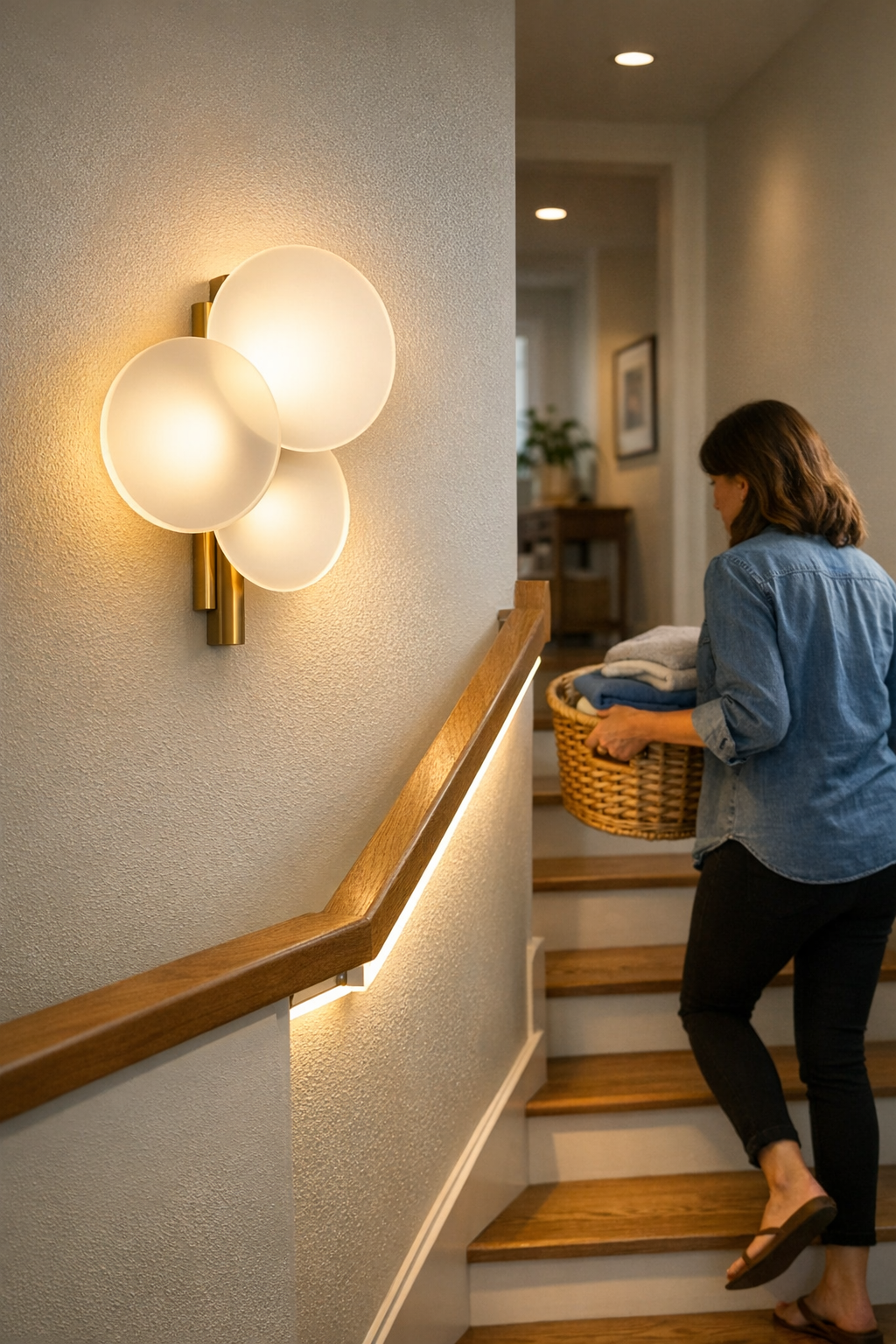
Consistent light tone prevents corridor lighting from fragmenting into uncomfortable patches, ensuring smooth, natural movement daily.
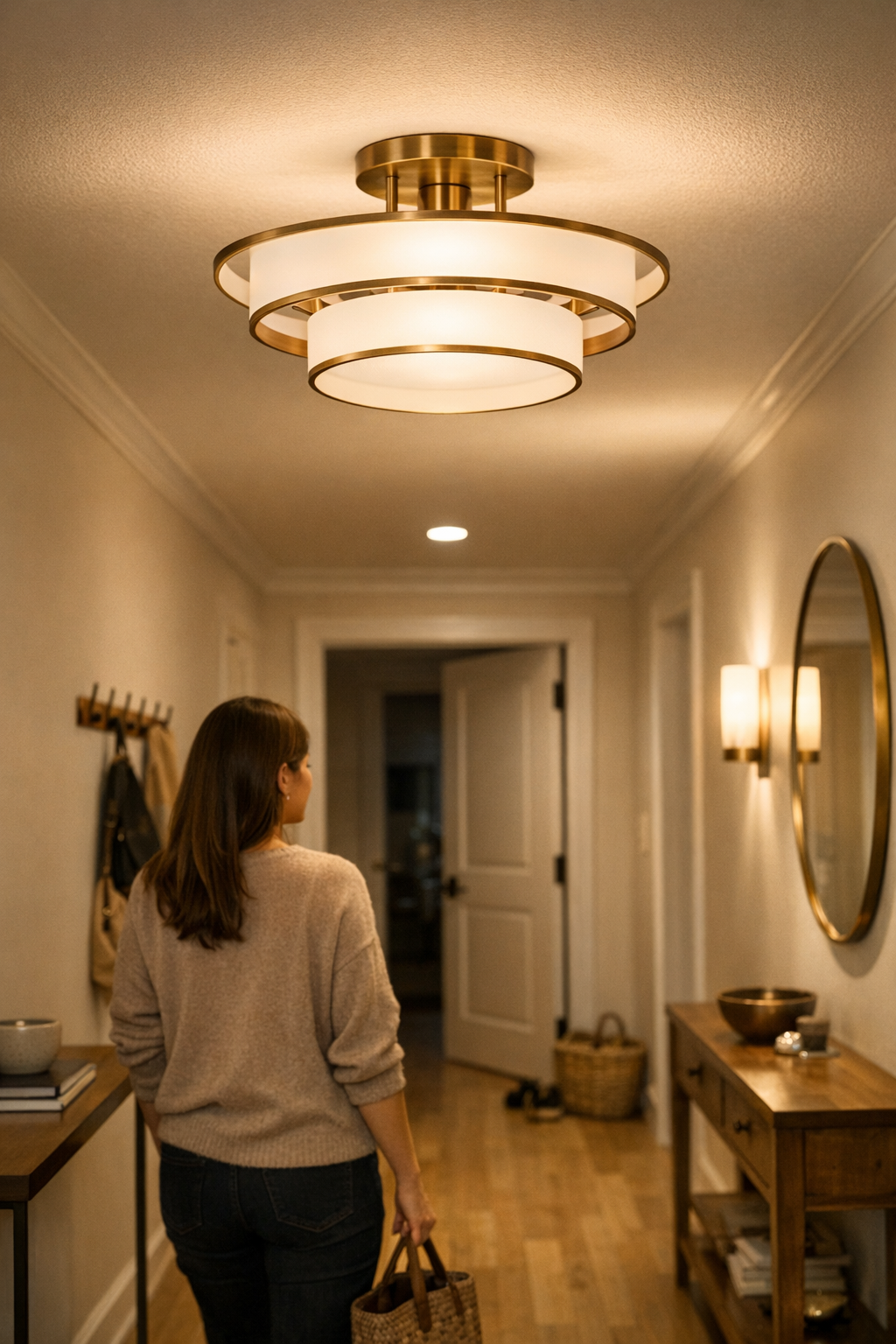
There’s something unsettling about a corridor that never feels quite right, even after the paint dries and the furniture’s back in place. It took me a while to notice it wasn’t the color on the walls or the floorboards creaking underfoot. The feeling had more to do with the light—how each step down the hallway would gently prod my attention, asking my eyes to recalibrate, again and again. Corridors are meant to connect, but small mismatches in lighting can split them into a chain of strange little fragments. The difference only started to matter once my own routines began to settle in.
The Way Tone Divides a Space
At first, the corridor just seemed fine. Lights switched on, shadows appeared and shifted. But you feel it. When one end held a colder wash and the other a warmer, milder hue, it was like crossing zones in a place meant to be linear and direct. The change wasn’t loud; it was more that depths got harder to judge, edges started to blur.
What seemed like a minor detail—a replacement LED panel slightly off in tone, or an old bulb swapped in after the last one failed—began to break up the sense of flow. Even cables and brackets, things I’d tried to keep tidy, looked more jarring under inconsistent color. It’s odd how workarounds, like overlapping lights or running cables along trim, can actually make the inconsistencies feel amplified, not hidden.
Living With Small Lighting Disruptions
You don’t notice it immediately. Only after days of moving back and forth—carrying coffee in the morning, walking with books at night—does the disjointed feeling settle in. Areas near doors or just beneath wall brackets picked up more glare and left small objects harder to spot.
It sounds trivial, but on busy days the effect added up. Shoes near the baseboard, bags close to the coat hooks—these things faded in and out of sight as I passed. Sometimes my eyes lingered in the brighter patch near the end wall, almost waiting to adjust before stepping forward. The experience wasn’t frustrating so much as quietly exhausting.
I kept coming back to the difference between lighting that looks “fixed” and lighting that actually behaves well in use. Standing still, nothing seemed wrong. But corridors aren’t made for standing still.
The Practical Calm of Even Tone
Replacing a few mismatched bulbs with identical, neutral-white LED panels made the space visually quieter. No more sharp transitions, no guessing whether a dropped pen rolled out of view. Late at night, even with overheads dimmed, shallow shadows read more clearly. I stopped thinking about which end of the corridor I liked better. I just moved.
There’s a kind of relief when a passage stops announcing itself every time you cross it. Not a dramatic revelation—just a new, subtler version of normal. Matching the Kelvin values wasn’t difficult, and it made the support, not the spectacle, of the lighting feel more complete.
Sometimes, the most significant changes come quietly after noticing what wasn’t working. That’s how this all landed for me.
If you want a sense of what I mean, you can see more setups here: http://www.lightsupport.myshopify.com