The Quiet Struggle Behind Closed Cabinet Doors
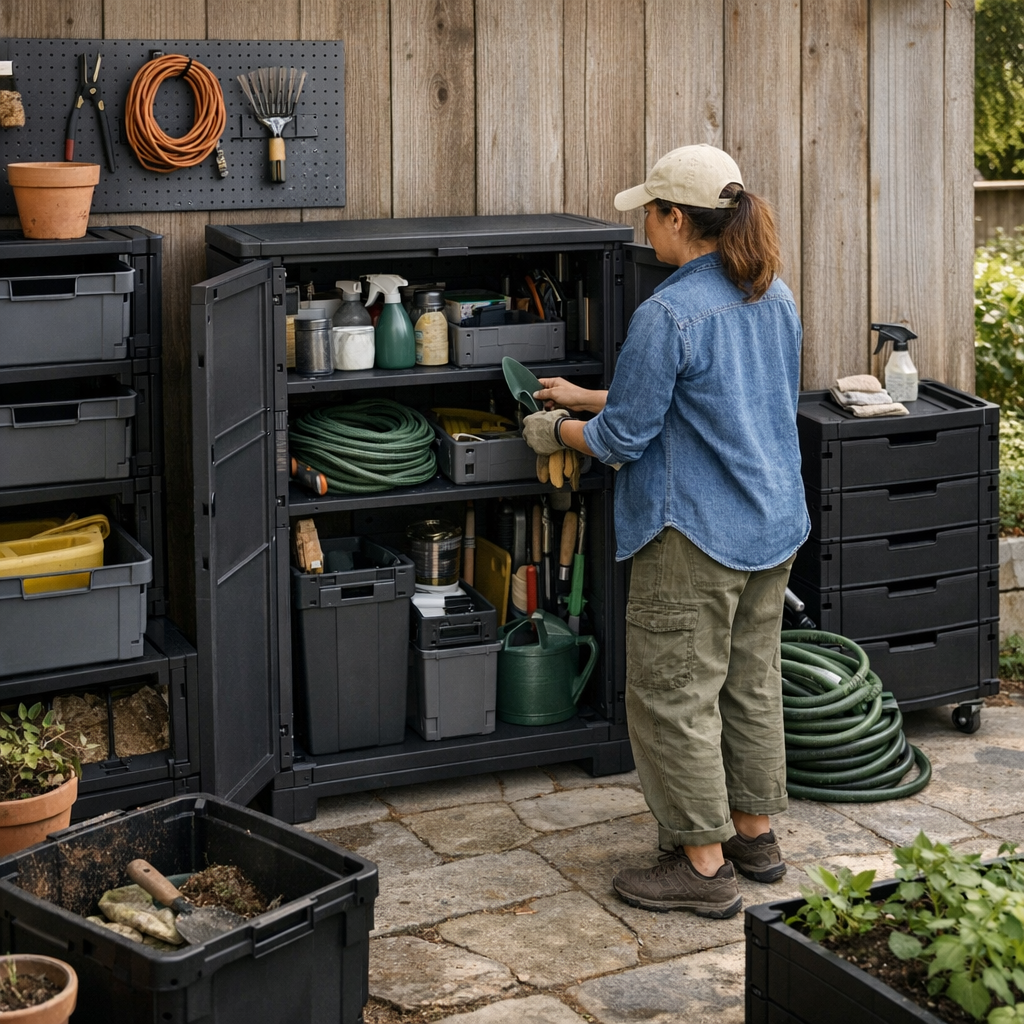
Closed-door cabinets reduce visual clutter but can hide disorder if unstructured; internal bins or dividers prevent category drift and ease resets.
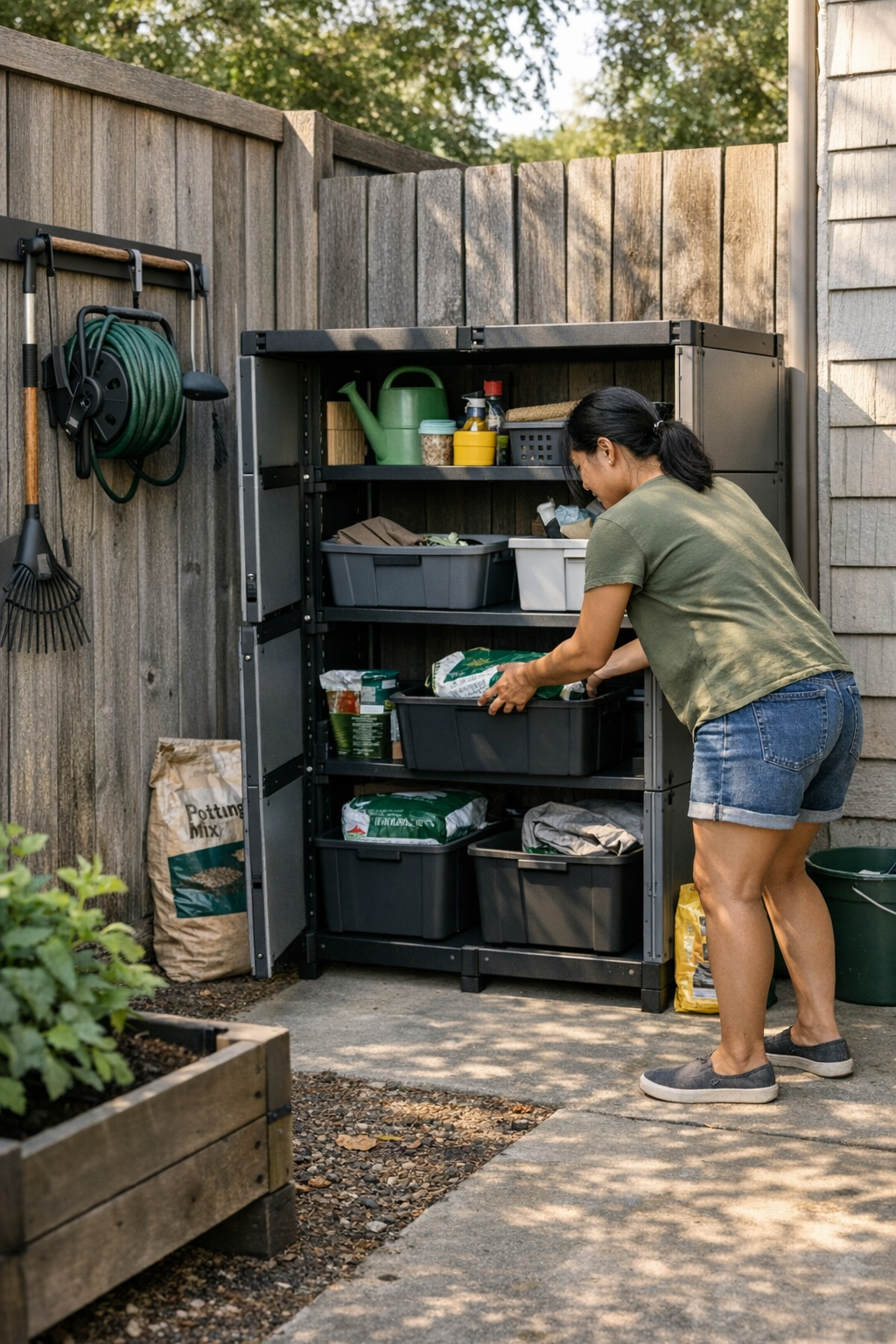
Sometimes I catch myself pausing at the sight of a row of closed cabinets. Everything looks composed. Surface tension drops, at least for a while. There’s a sense of ease in being able to just shut a door on the tangle of real life—a quiet breath, no visible reminders that the day’s routines kicked things into chaos. You don’t notice it immediately. But over the next week, that feeling subtly shifts.
Where Calm Starts and Where It Begins to Fade
Closed doors offer a small relief. Visual clutter vanishes in an instant, especially welcome in busy entryways or hallways that feel perpetually in use. For families or anyone sharing a space, there’s real comfort in shedding visual mess at the end of the day.
But after living with these cabinets for a stretch, the reality peeks through—not all at once, but in small ways. Retrieving familiar things starts to take longer. You notice your hand disappearing into deeper stacks, maybe knocking over a half-open bin of gloves while reaching for headphones, or finding school forms tucked behind winter scarves. That was the part I kept coming back to: the gap between what looks ordered and what actually feels manageable, day after day.
How Mess Gathers Where We Can’t See
There’s a quiet tension between what stays visible and what’s hidden. Surfaces remain calm, but inside, routines bring entropy. Shoes migrate between bins. Mail slides behind toaster parts. I started calling it “category drift”—the way things slowly lose their place, moving just a step away from where they began.
In real use, this shows up in small pauses. Standing in front of the pantry cabinet, only to realize yesterday’s quick clean layered new things atop the old. Or in the bathroom, where supplies multiply quietly and the next person searching for bandages finds only an empty box, buried beneath travel-sized bottles. What you don’t see behind closed doors begins to slow you down—sometimes more than visible clutter ever did.
The Small Change That Made It Work
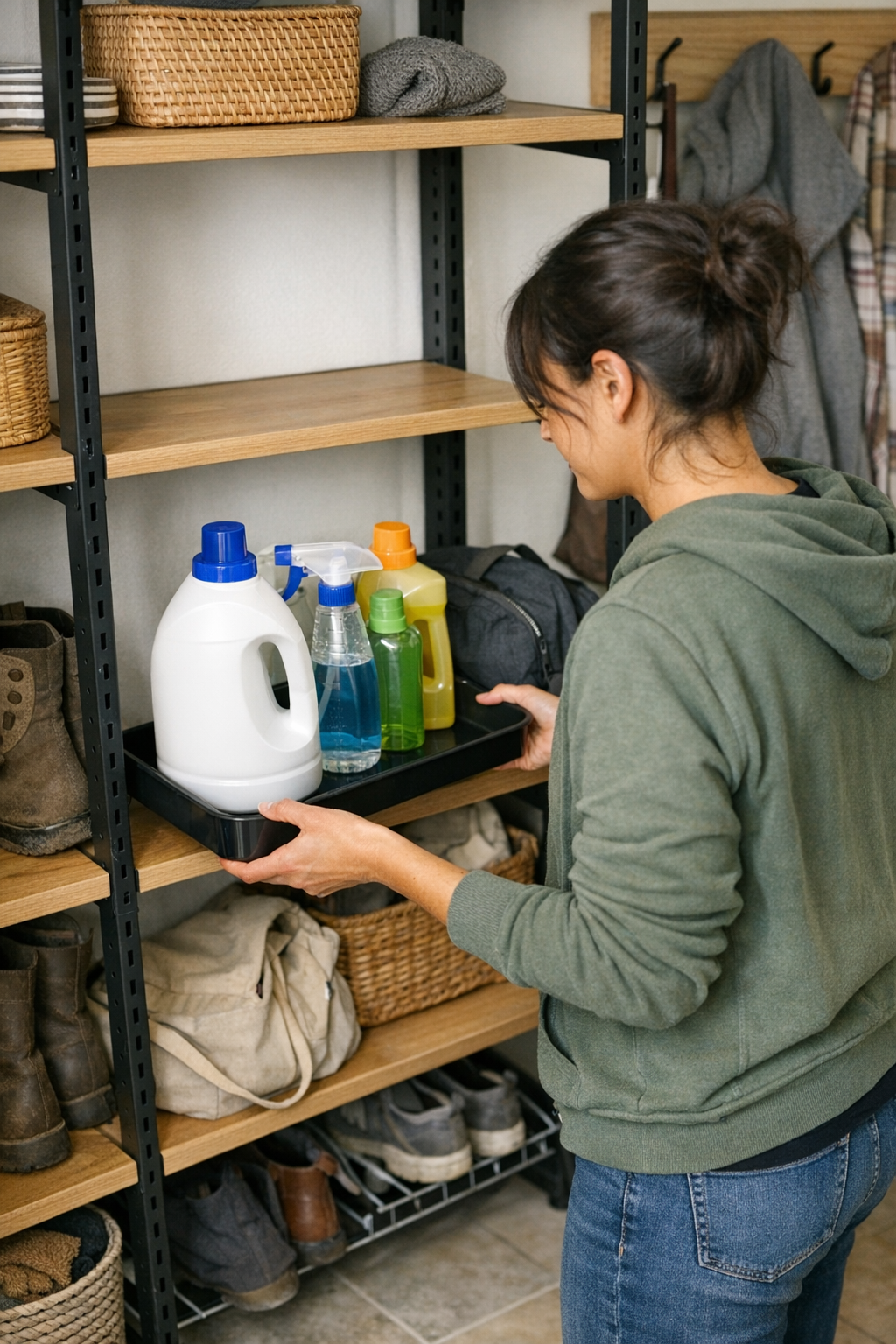
I tried adding bins and small dividers inside the cabinets—a subtle tweak, not a total overhaul. Suddenly, overflow was more obvious. When a shoe bin was overstuffed, it was clear the moment the door swung open. If a shelf collected too many snacks, the bin lifted out and the sprawl was contained for a minute. Nothing groundbreaking, just easier resets and more honest signals before things got truly tangled.
Now, returning something feels different. When routines are layered and storage is shared between messy school bags and groceries, small nudges like this become the difference-maker. You don’t have to empty half a cabinet just to retrieve one thing. Even with closed doors, the space behind them can stay as honest as the front.
It’s a strange balance—using calm to mask chaos, while creating friction where it matters most. That’s the version of storage I’ve actually been able to live with.
If you’re curious what kinds of modular setups can help shape that balance, I’ve found a quiet selection here: http://www.gridry.myshopify.com