The Quiet Struggle Behind Every Boarding Line
Boarding chaos comes from carry-on setups that trap essentials behind layers; separating items ensures clear access, reducing stalls and stress.
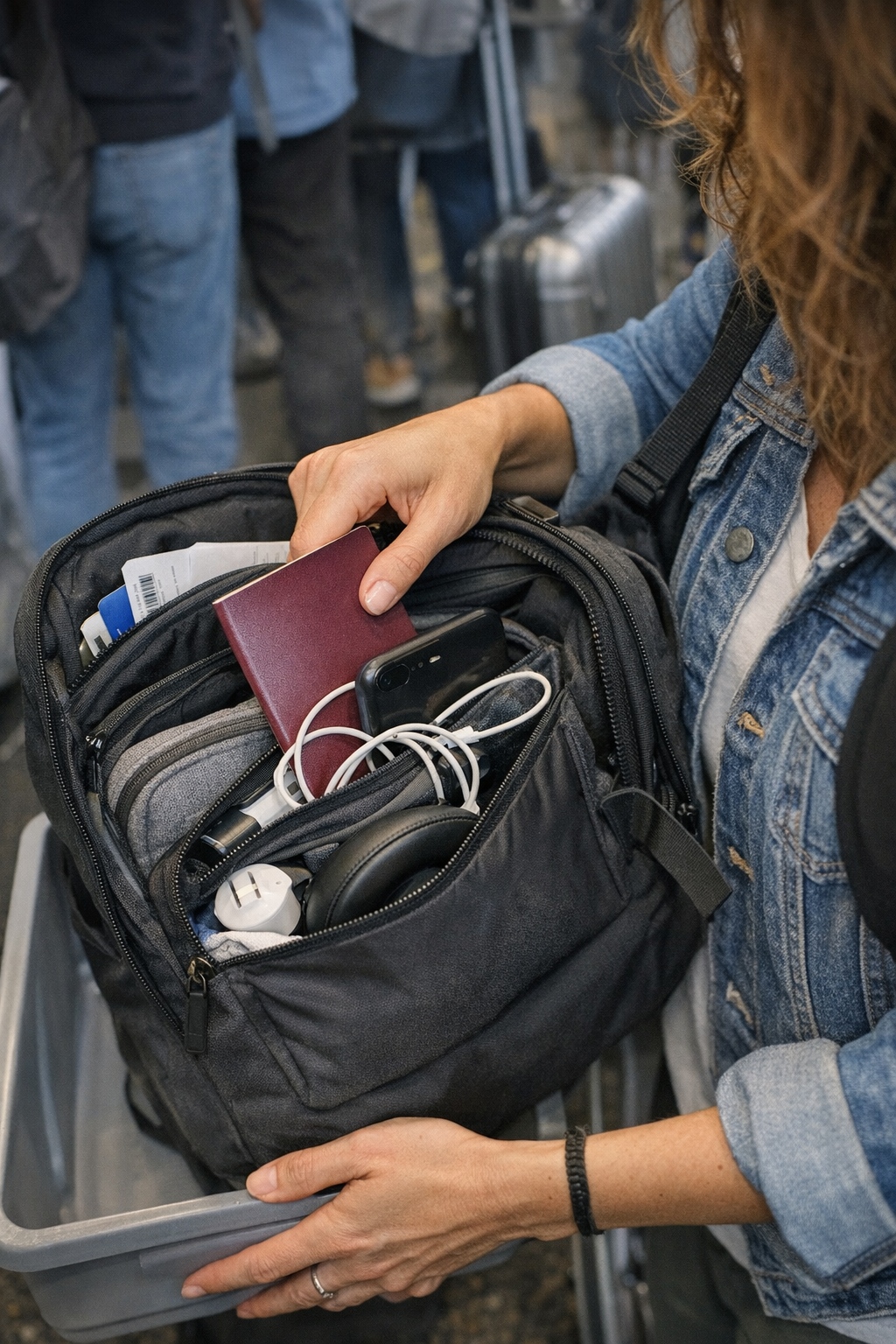
There’s always a quiet moment—somewhere in the shuffle to the gate, with your bag slung across one shoulder—when a so-called “organized” carry-on starts to unravel. Mine looked fine on the bed before departure: each item assigned, neat compartments, full zip. But over time, a nagging disruption kept returning, only obvious in movement. The moment I needed a passport or charger while maneuvering past other travelers, the bag’s promise of order faded. It wasn’t until living with these routines that the difference between looking tidy and actually moving easily showed up, usually at the worst time.
The Pattern That Kept Showing Up
You notice it after a few transitions. At first, there’s the brief satisfaction that everything “fits”—chargers tucked in, snacks stashed away, passport safely hidden, cables looped just right. Then the real test comes: boarding calls, line stutters forward, and you need that one item, now. What felt like simple access turns awkward. Small things wedge together. Zippers catch on overlapping pouches. Your phone slides behind a charger that wasn’t supposed to move.
That disruption kept coming back. Even after repacking or promising to “fix it next time,” one awkward pause in the aisle, with people shuffling around you, revealed that the overlapping pouch setup wasn’t holding up. It made me realize: the problem isn’t how clean the bag looks, but how it holds up under repeated reach-ins and re-packs.
The Small Delay That Turns into a Real Pause
You can misread the issue for a while. It’s easy to blame nerves or boarding chaos. But the trouble always returned to the same point: essential items blocking one another or sitting just deep enough that one zipper pull wouldn’t get you there. More than once, I found myself shifting pouches to dig for a boarding pass that should have been right up front—while holding a tray and nudging a suitcase with my leg. A few seconds, maybe—but enough to build a quiet frustration.
What matters isn’t the number of pockets, but whether each item has a clean path—one smooth motion in and out under pressure. The difference showed up in the calm after boarding, noticing the setups that worked had clear boundaries: documents alone, tech in its own place, comfort items easy to ignore until needed.
The Quiet Shift That Finally Stuck
Eventually, I made the switch—just separating pouches, giving each type of item its own spot, no overlap if it could be helped. It wasn’t a dramatic overhaul: mostly pulling documents out of mixed pockets and abandoning the habit of clustering tech and cords out of convenience. The first time I could reach passport, headphones, or charger from a single compartment, without shifting things twice, something in the rhythm of travel paused and eased. Tray juggling required fewer steps, and missed beats in the boarding line faded.
It sounds small, but you feel the difference most when you’re exhausted, running late, or moving through a last transfer before landing. A bag that gives in to overlap still looks fine—until movement proves it otherwise.
If you’ve felt that same friction, there are a few setups over at CarryOnSupply that take this kind of repeated use into account.