The Quiet Struggle Behind Everyday Yard Care
A yard storage system that follows a ten second start rule controls clutter, speeds cleanup, and supports repeated daily use effectively.
There’s a subtle kind of clutter that creeps in around the edges of a space—tools left wherever they land, walkways narrowing as each project adds stray objects to the ground. I’ve noticed this happen in my own yard each season. At first, I thought storage was just about bins and boxes—a quick way to keep things out of sight. But that approach left me hesitating every time I needed to start something new. The mess grew quietly, and soon I was spending more time clearing than actually tending to anything alive.
When “Good Enough” Organizing Isn’t Enough
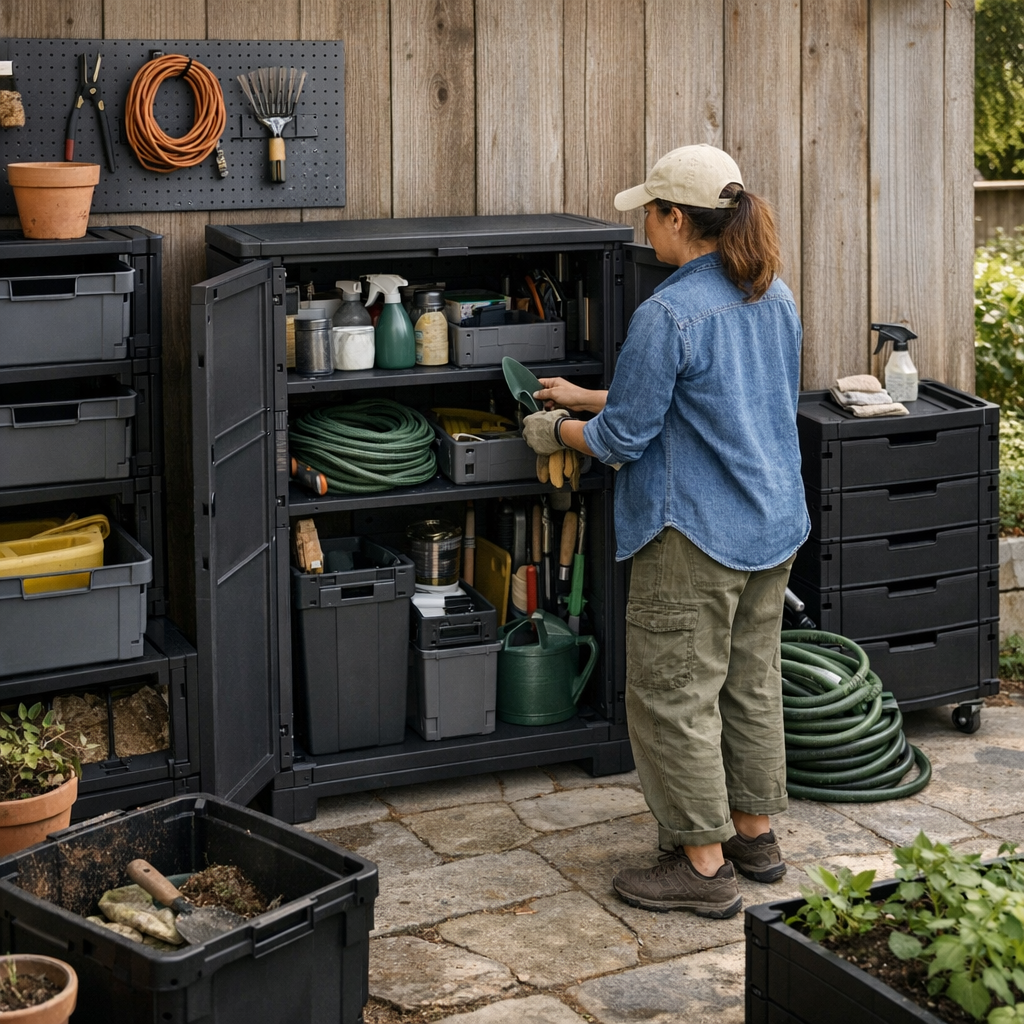
You don’t always see the problem right away. A storage box or two, some hooks along the garage wall—they look tidy at first. The real test comes days or weeks later, once quick returns start piling up. I’d open a ground bin and find half the tools I needed weren’t inside, but propped nearby or hidden underneath something else. Floor storage seemed to invite overflow, slowly making every path harder to walk.
How you reach for things carries its own gravity. If grabbing a shovel takes more than a few seconds, it’s easy to postpone the task or leave the tool just out of place. The mess always finds its excuse in those small frictions.
The Ten Second Start
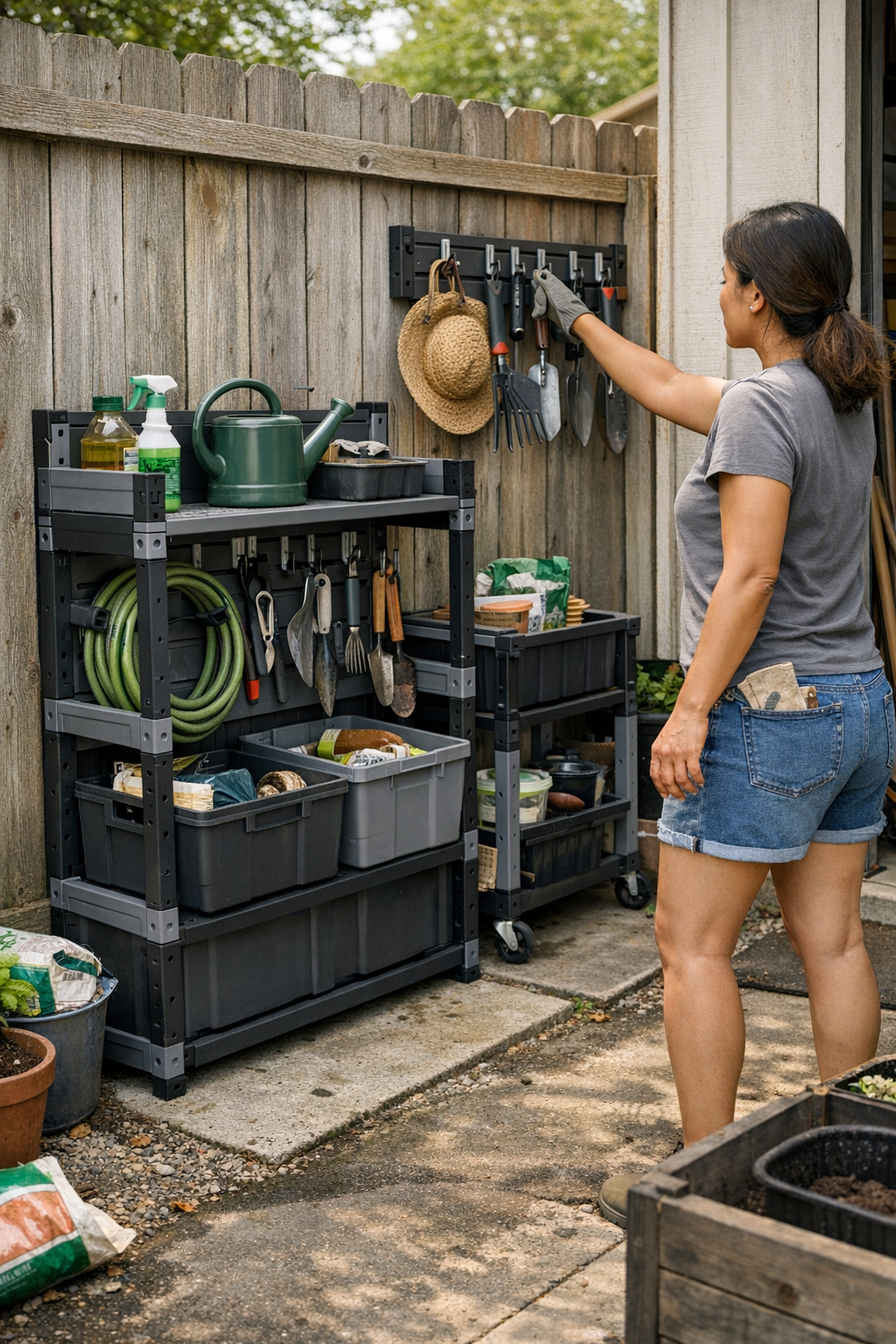
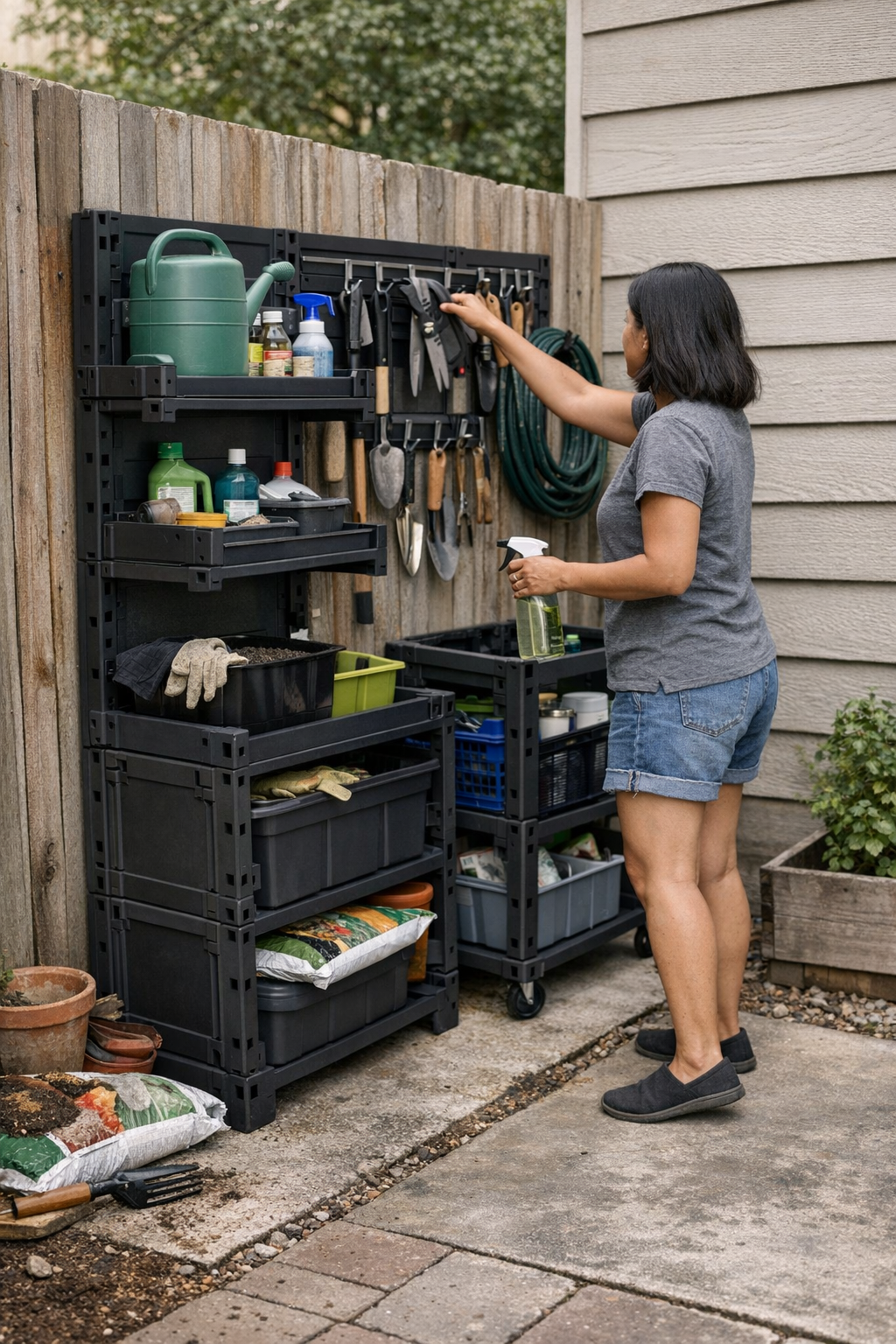
Somewhere along the way, I realized an unspoken rule: if I couldn’t start or put away a tool in about ten seconds, that storage spot was bound to collect clutter. Wall racks changed everything almost overnight. Handles stayed separated, nothing overlapped or tangled, and tools hovered above the ground—visible, accessible, right where I left them. It was surprising how something so physical—just a hook spaced “right”—could have such impact.
You won’t notice it immediately. But you feel it. The hesitation before beginning fades when the path stays clear and putting things away doesn’t require extra effort. When something starts resting on the floor “just for a minute,” I take it as a sign to adjust the hooks, not squeeze in another bin.
The Calm That Comes from Clearing the Ground
Now, when I see an old ground container, I almost feel the potential for clutter gathering. Wall-mounted storage draws a clear line: tools belong off the floor, or they don’t belong out at all. The reset after a busy afternoon feels less like cleanup and more like opening space again.
I’ve learned to trust those small friction points as signals—whenever returning a tool takes too long, I tweak the setup instead of trying harder. The order isn’t perfect, but there’s room to move, and that’s what keeps me coming back. The yard feels lighter; it’s somewhere I want to linger, not just pass through.
These patterns became clearer while tinkering with my own shed and this little online collection: View the full collection