The Quiet Struggle of Unpacking After a Trip
Carry-on setups made for neatness often hinder quick access, causing mess and fatigue; shallower pouches ease repeated use and reduce travel stress.
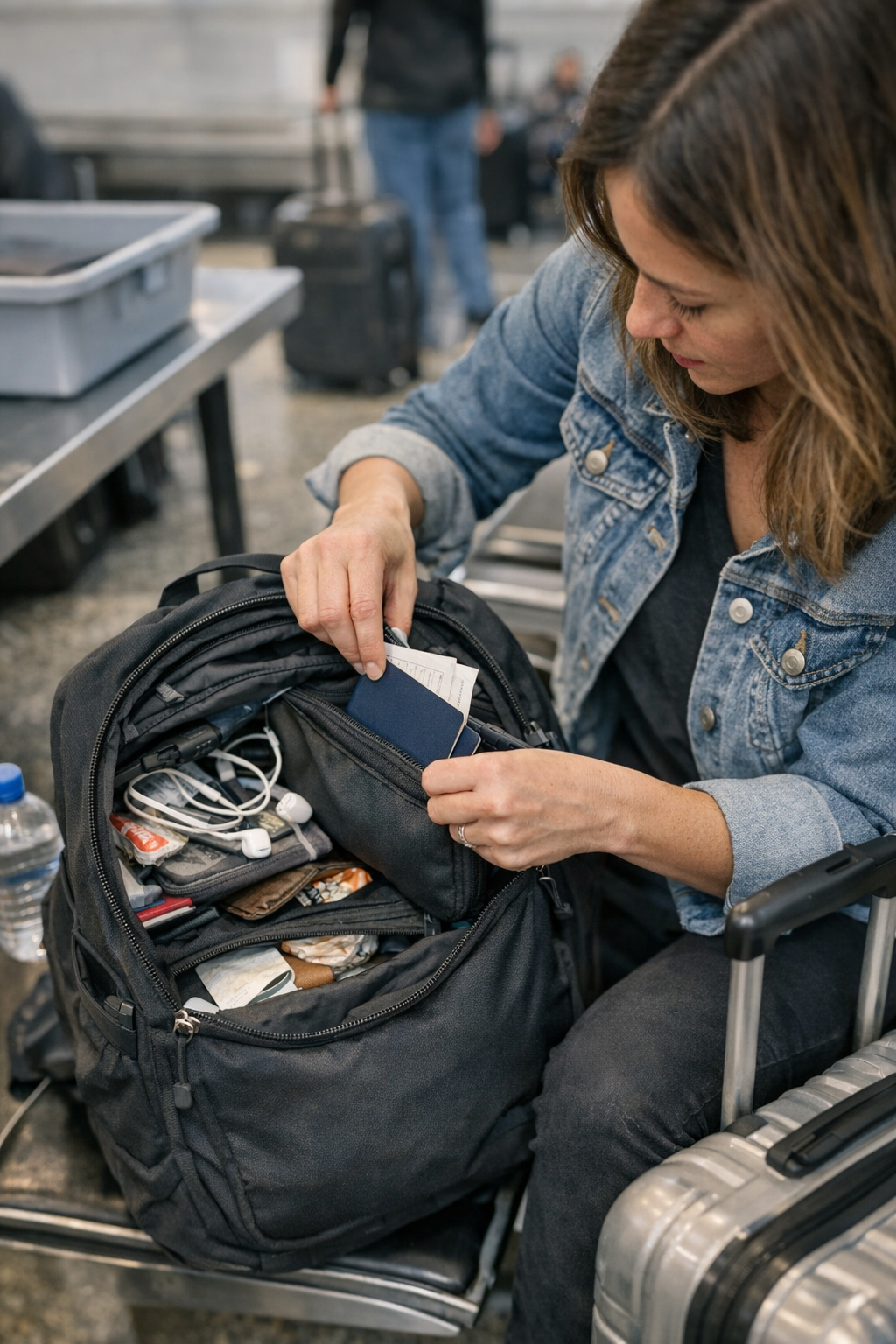
There’s a quiet frustration that settles in after the last leg of a trip. It comes between fading airport noise and the return to normal routines. I used to think this feeling was just about travel itself, but it always circled back to my carry-on—how it started organized, yet by the end, became a source of friction. You reach for headphones and find yourself digging past overlapping pouches, or you pause at security because your passport slid behind layers. Each retrieval gets clumsier than the last. At first, the bag looked fine. But as the trip went on, its setup shifted from “orderly” to obstructive in ways I hadn’t expected.
You start noticing this after just a few transitions. Maybe the problem isn’t how much stuff you packed, but the design asking for too many steps to get a single item out. The bag, with all its pockets and organizers, worked perfectly for a “start-of-trip” photo, but every real movement—pulling out documents at the gate, reclaiming a charger before boarding, shifting a pouch to slide the bag under the seat—changed things. It’s a setup built to contain, not to flow. One zipper catches, another sleeve lies just a bit too deep, and by the next connection, small delays start stacking up. That recurring hassle stuck with me.
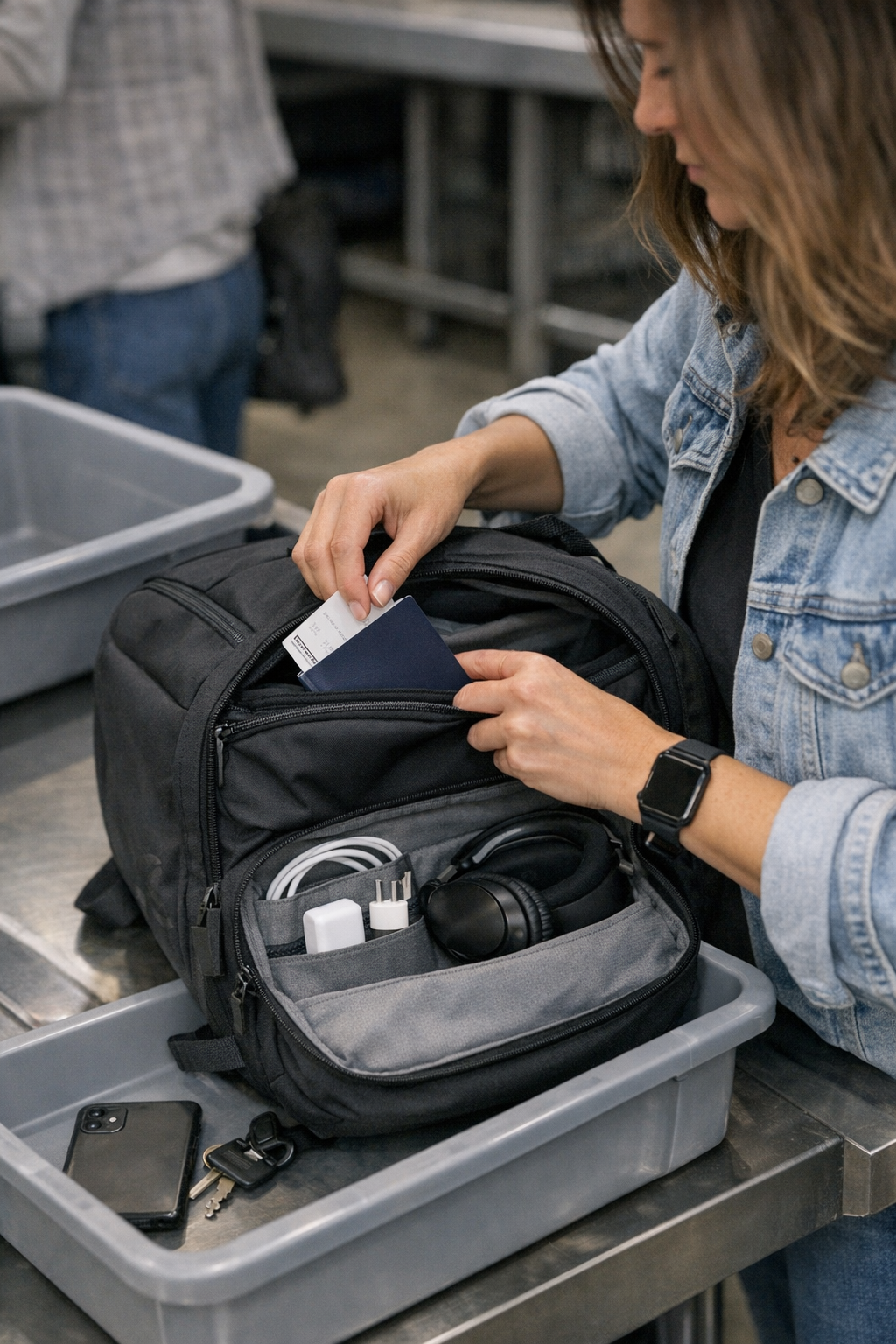
What caught me off guard was how quickly a small change could make a difference: swapping nested pouches for a single side pocket. This simple move replaced a routine shuffle with one easy action. Instead of trying to remember which compartment the passport had slipped into, it just stayed at the edge, ready with one zip. I paused less—grab, show, return—and the subtle anxiety of “where did I put—” faded a little each time. Funny how less complexity in design brought more relief in the actual travel flow.
In the end, it’s the everyday details that stick. The bag looked neat and right when still, but in motion, it demanded constant managing. Changing just one layer—one pouch, one zipper—shifted everything about how I moved through checkpoints. A small change with a persistent effect.