The Quiet Struggles Behind Every Dog’s Travel Pause
Frustration in pet travel arises when kits hide essentials, forcing reshuffles. Placing key items within reach smooths repeated stops significantly.
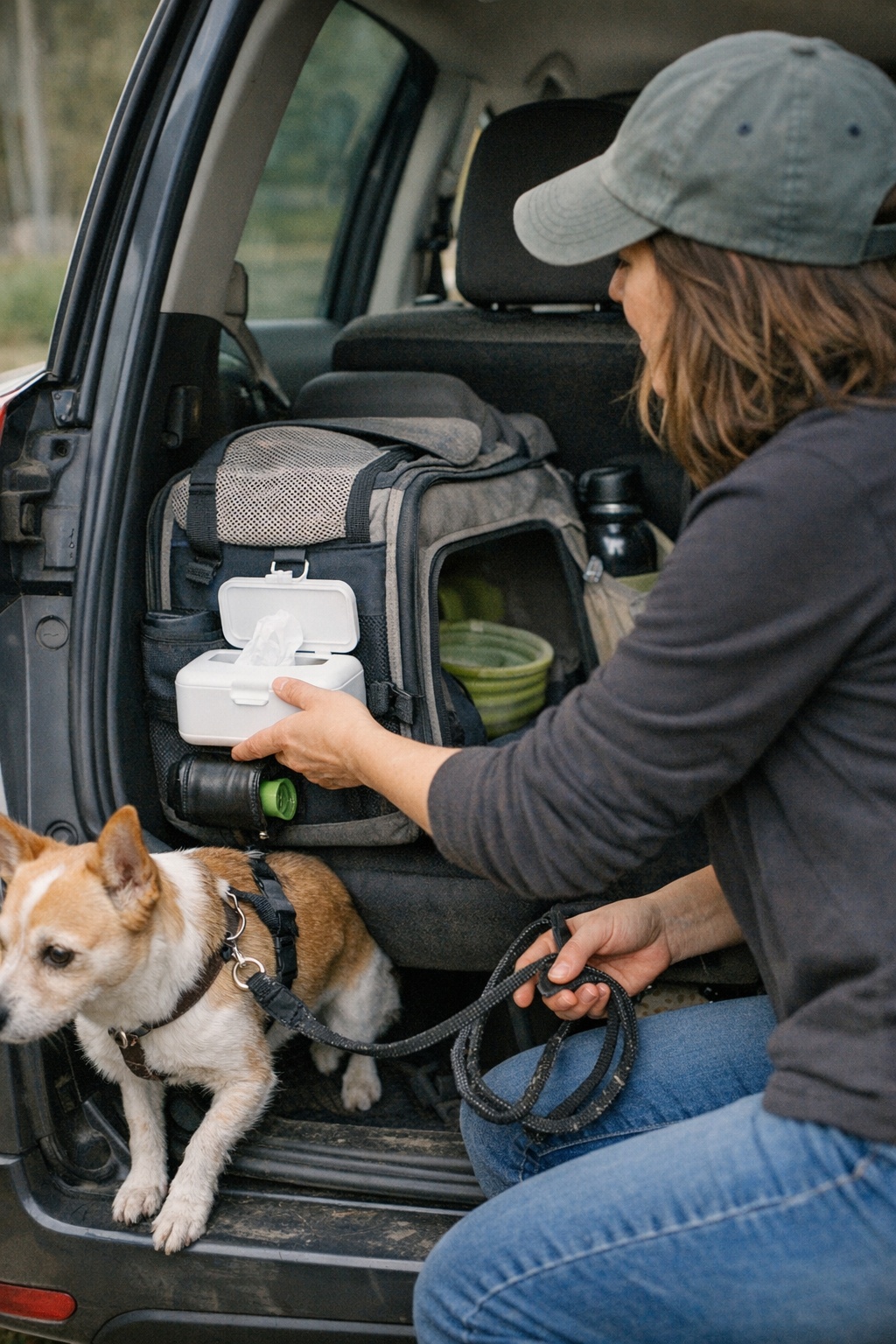
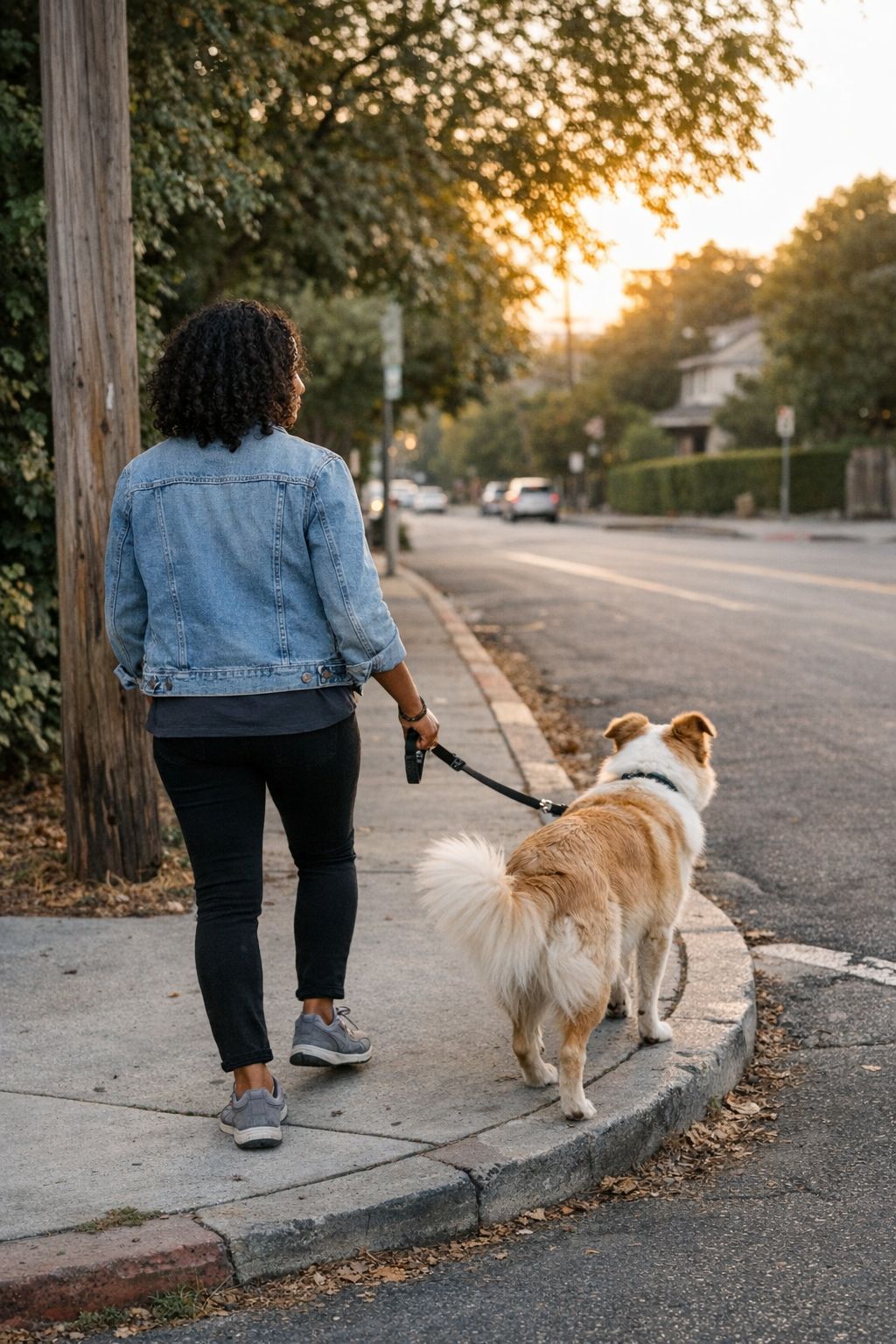
There’s a moment, right after you open the car door and your dog is already halfway to the curb, when a travel bag either makes sense or quietly gets in the way. What looks neat in a parked car turns out, in motion, to be its own little puzzle—one you end up solving over and over. The first time, everything feels tidy: the bag is new, the carrier zipped, cleanup pouches stacked in spots that seem reasonable. But real movement never quite listens to a neat plan.
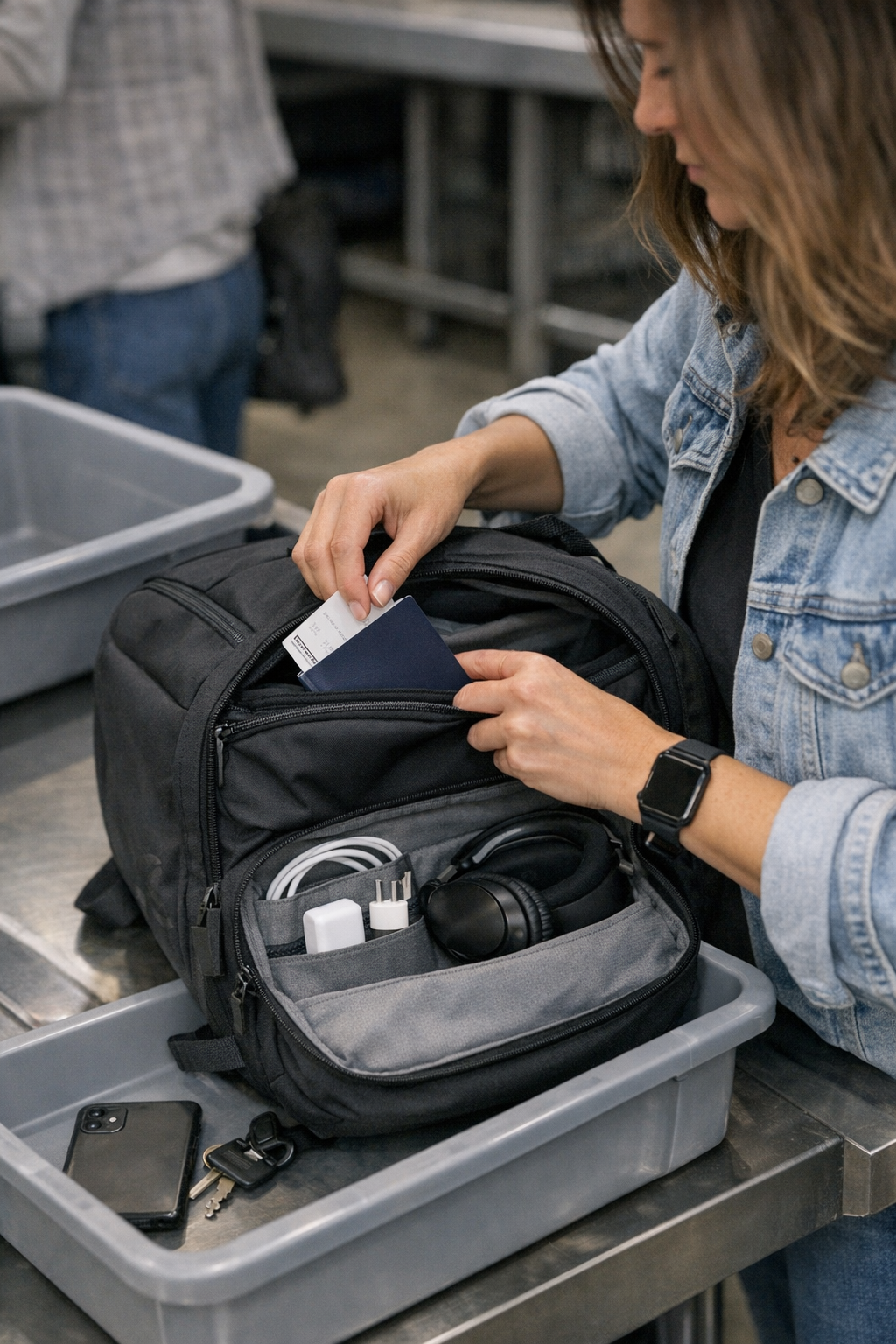
You notice it after a few trips. At first, you shuffle things around—pulling a cleanup bag from under a tangle of chew toys, juggling a water bottle with the leash, while feeling your dog’s impatience build. It looked fine at rest. By the second or third stop, your fingers remember the awkward angle in that side pocket, the wipes container buried behind a folded mat. You end up negotiating with your own setup. There’s a small exhaustion in the repeated reaches, and each interruption grows a little heavier. The energy lives in the routine: walk, pause, handle, move, reset. Sometimes the difference between smooth flow and stutter is whether you can grab what you need with one hand, without looking.
The recurring friction wasn’t about forgetting something, but about how items overlapped when you actually needed them. I started clipping the wipe pouch to the nearest loop on the outside, right by the carrier’s main zip. The next few stops felt less clumsy. One hand free, the other able to reach the essentials. No more side-pocket unzipping while the leash pulled taut. It wasn’t about owning the “best” gear but about spotting where the interruptions began and shaving them off at the edge. You learn to identify which part of the setup slows you—not in dramatic moments, but in the ordinary repetition where travel actually happens.
There are still days when I reach with three fingers because a collapsible bowl is wedged behind something else, or discover the backup bag roll only after a spill. But over time, that pause-and-adapt cycle grows shorter. The small details settle into a pattern: smallest essentials closest to the opening, cleanup gear outside, water tucked but not trapped. Routines become less about rearranging gear and more about just moving forward. Most of all, the kit feels right when it almost disappears into the trip—prepared, present, and quiet enough to not take up space between you and the next stop.
Some setups seem built to be admired; the ones that keep working simply want to be forgotten. Sometimes the smallest change reshapes the whole day.