When a Blade’s Edge Shapes the Day’s Work
Choosing a blade that maintains a consistent 1.2 mm kerf reduces edge chipping, sanding, and extra finish work during spray project prep.
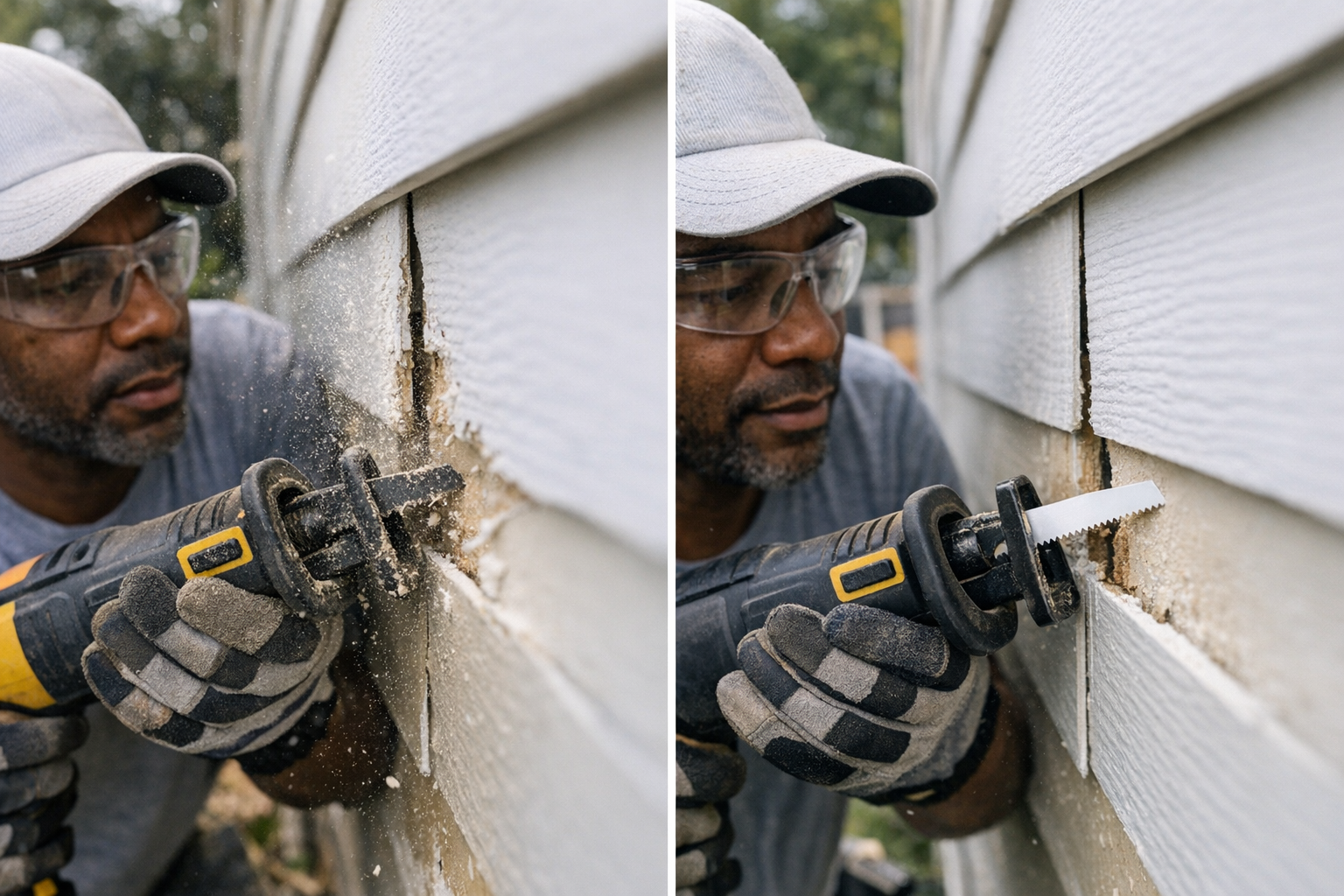
The difference hides at first, quietly. It’s easy to believe all reciprocating saw blades are the same—especially when you’re just opening the box and getting things ready for a spray project. Blades gleam with promise, identical on the shelf, the work ahead somehow feeling a little easier because everything’s new and sharp.
But the gap between them shows up later, almost suddenly, in the middle of the job—when your focus is on the rhythm, not the blade.
What Fails Quietly
You rarely notice the moment when a tool lets you down.
At the start, every cut is clean. The seams stay even, dust minimal. After a few rounds through drywall or siding, though, things begin to shift. One blade keeps its edge, moving through materials smoothly. The other? It begins to drag, stutter, leave splinters scattered in its wake.
You don’t notice it immediately.
But you feel it.
Suddenly, the seams aren’t straight. Chips break loose along the line, so small you only really pay attention when it’s time to paint. That’s when flaws seem to multiply. Each uneven edge traps paint, making every surface seem rougher, every finish less crisp.
It’s only then you remember: every tool wears differently. Not every one holds up.
The Real Cost of Cutting Corners
There’s an odd pressure on a humid day, prepping siding, hands sticky, dust settling in the air. Here, even minor chipping means the spray coat will bleed, pulling into places you don’t want it to go. One compromised cut, and the job expands—more sanding, double the cleanup, edges that don’t quite hide under paint.
It’s never just about the saw, or the specs, or even the cost. It’s about the subtle signals: fingertips tingling from rising vibration, the blade sounding rougher, dust clouds growing thicker than before.
Often, the need to keep pushing overrides small warnings. You swap blades reluctantly, wishing it wasn’t necessary. But pressing on only leads to rework—touching up seams, chasing splinters, time stretching out longer than planned.
Sometimes a seemingly small decision—like grabbing the better-coated blade—ends up shrinking the whole job. Fewer passes, less cleanup, a finish that goes on smooth without fuss. Real time saved that never makes it onto the project sheet.
What Only Shows Up Later
On paper, two blades can look almost twins. Both bi-metal, same length, both boasting of wood and composite. But mid-project, subtle differences grow obvious: one keeps a consistent line, a tight kerf, quietly cutting through insulation or siding without fuss. The other starts to chatter, drifting at the edge, leaving small splitters along every seam.
It’s easy to overlook—until the spray gun reveals everything.
I’ve seen it happen. A single pass leaves a ragged shadow where the blade faltered. The flaw wasn’t even visible before the paint. Now it draws the eye, and no amount of gentle sanding erases it completely.
Sometimes, the best result comes from watching the feedback: how the blade feels, the dust it throws, the vibration in your hand. Changing early, before things get messy, turns a tiring chore into a much simpler one. Not a guarantee—but a quiet head start on a cleaner, smoother finish.
There’s a lesson in these small details, if you’re looking for it. Not all decisions announce their impact immediately—some only matter after the work has been done.
These thoughts came together while prepping trim for a personal spray project on a damp Saturday afternoon.