When a Clamp Lamp Changes How You Work at Home
Clamp lamps free workspace on cramped desks, but poor placement causes interruptions. Proper clamp and cable positioning improves workflow.
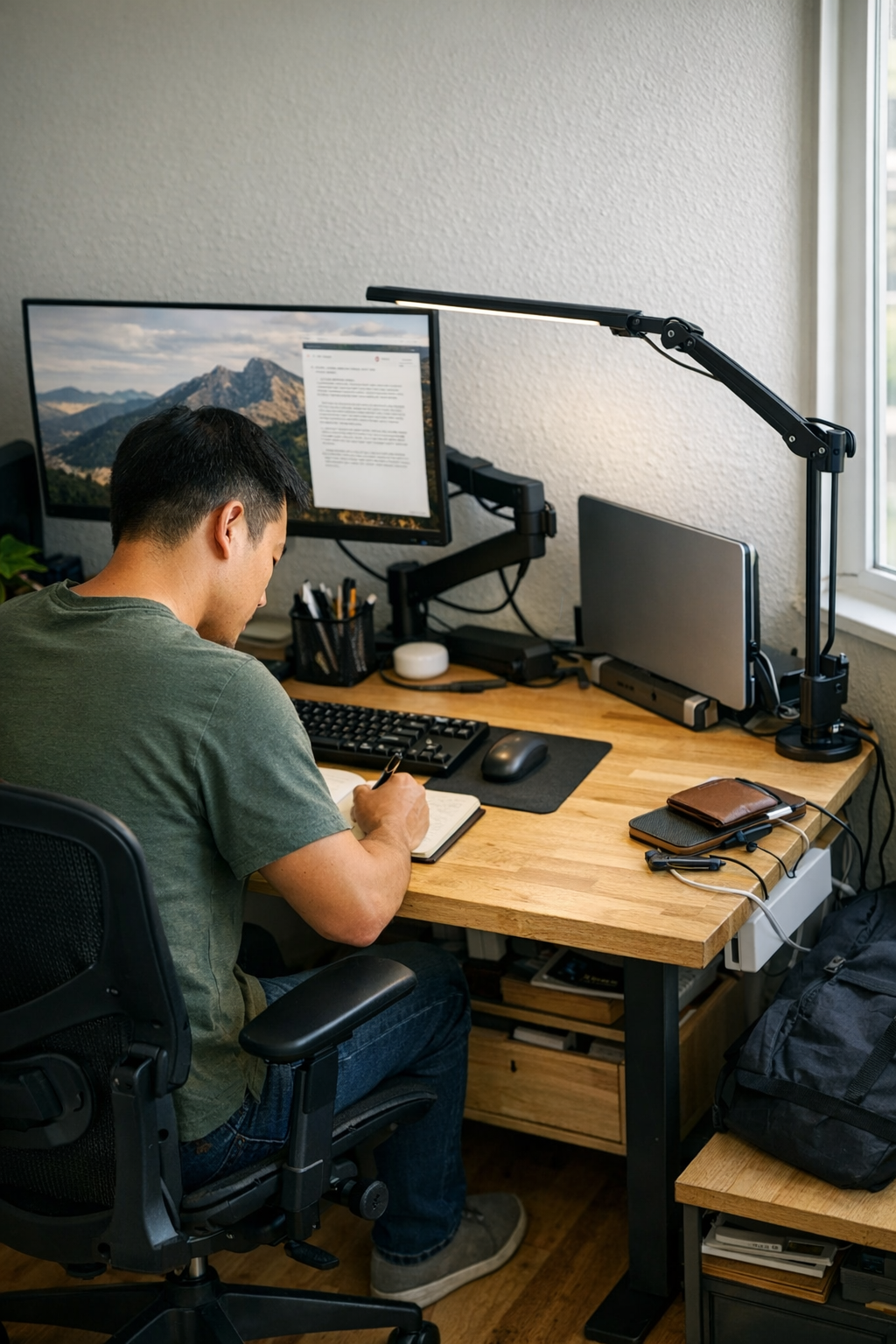
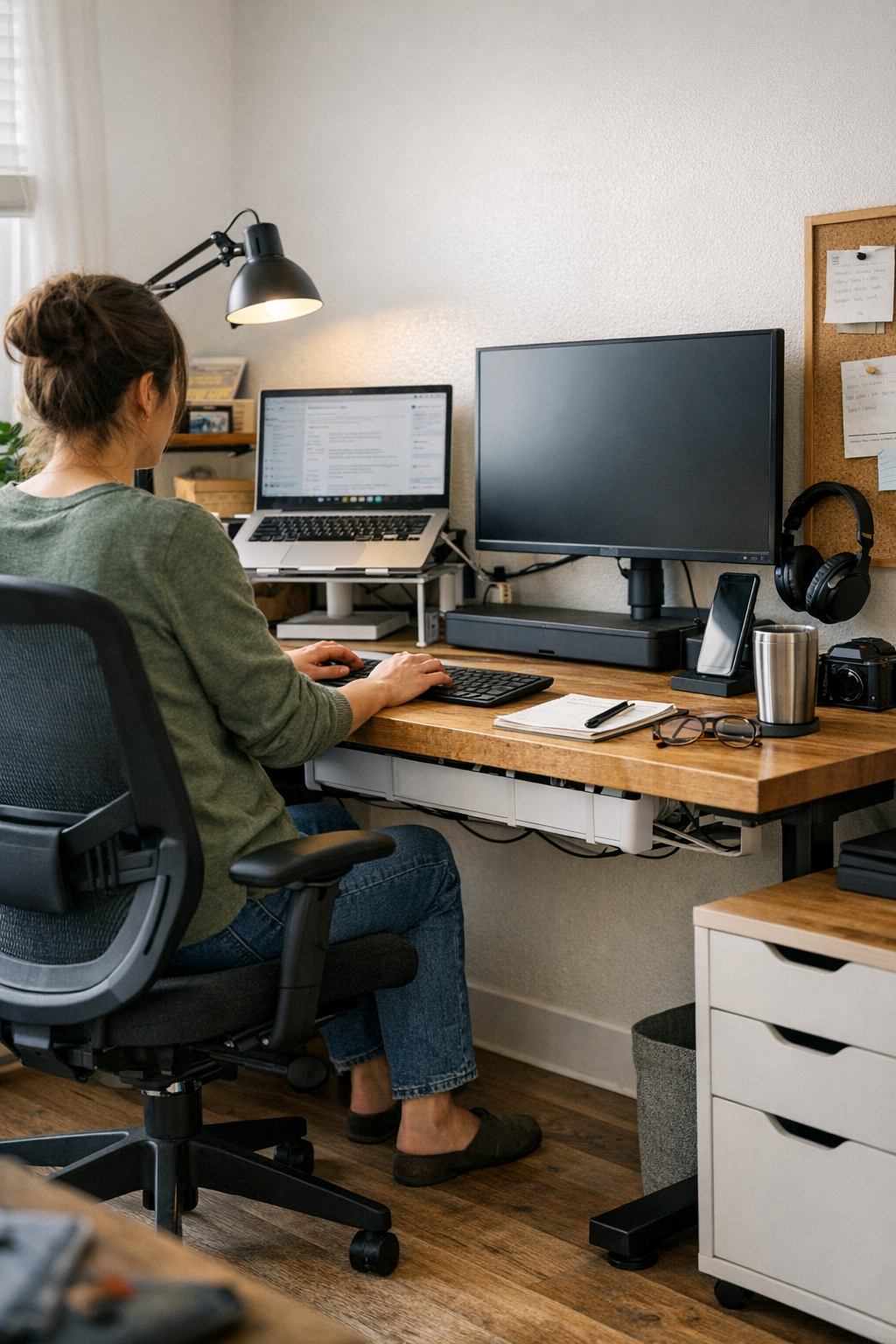
There’s always a quiet hope when adding something new to a work setup. With clamp lamps, that hope sounds like: maybe now the desk will finally feel like it fits the work, not just the stuff. For a day or two, that seems true—the lamp lifts itself out of the mess, the base disappears, and the desk surface looks manageable again. But after a week, the feeling shifts. Little interruptions keep cropping up: a heavy arm swinging into a notebook, a dangling cable catching on your hand as you reach for something beside the keyboard. The promise of space is there, but friction sneaks in, building up in the in-between moments.
You notice it after a few days. The setup looks organized in the morning. Still, by the third or fourth round of jotting notes and shifting devices, the arm of the lamp has drifted closer again, its cable brushing past coffee cups or pulling against the edge of a drawer. I used to think tidy meant functional—a clean desk meant the work would flow. But the lamp’s clamp showed otherwise. It’s not the visual clutter that slows things down—it’s those small pauses, each time a cable cuts across your path or the lamp arm tips into the working zone.
It looked fine at first. But the difference kept showing up. Repeated use makes the faults clear: a clamp positioned on the wrong edge means your dominant hand runs into it, the lamp blocks trays or nudges storage bins out of line, or sometimes it interferes with under-desk clearance or drawer access. Resets after each task get longer, and extra reaching causes slowdowns and subtle fatigue over time. There’s a quiet relief when these obstacles disappear—the first time I pushed the clamp all the way to the rear corner, the cable finally stopped dragging across the desk, and the lamp’s light covered what I actually needed. No reaching around, no extra nudges. Just sitting down and starting again, without working around hardware interruptions.
Living with a clamp lamp is a small lesson in trade-offs. It’s not only about clearing desktop surface space but about keeping movement smooth and unobstructed. After shifting the clamp, the work felt lighter, not just neater. Noticing these interruptions, and nudging the hardware out of the way, makes the difference between a setup that just looks calm—and one that actually is.
If you’re curious, this is where I picked up the clamp lamp: http://www.workbasic.myshopify.com