When a Dog’s Space Finally Feels Like Home
Dogs relax faster when beds and bowls align with daily traffic, not just space, reducing restlessness and smoothing routines.
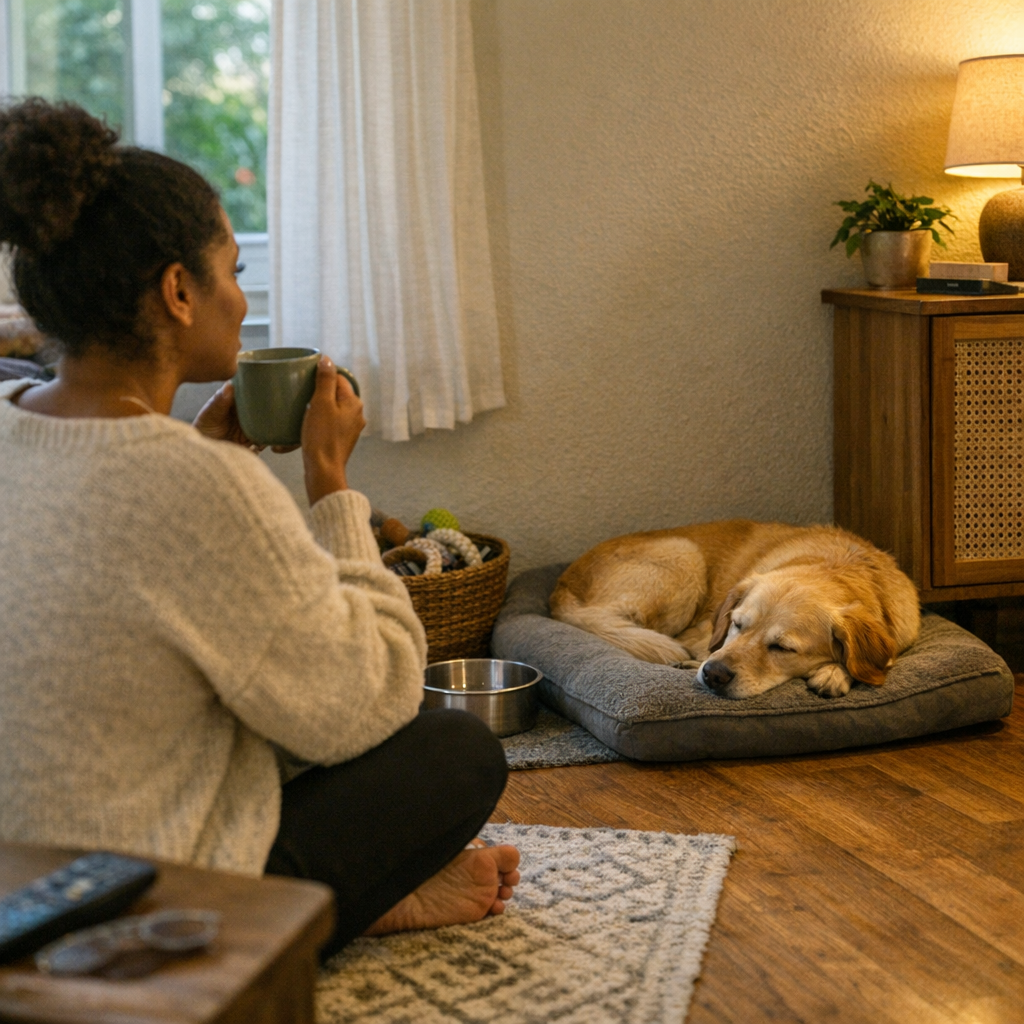
It’s surprising how long you can overlook the small pauses and missteps in a daily routine until they start to overlap and slow everything down. Living with a dog, this overlap creeps in quietly: stepping sideways around the crate, brushing your foot against a chew toy, the water bowl angled awkwardly near a swinging door. You settle into your rhythm, only to realize your dog has carved out a routine too—sidestepping the spots you set up for them as if those choices mattered less than the actual flow of movement through the home.
It’s not dramatic—just interruptive enough to notice once you find yourself repeating the same detours. The bowl sits full but untouched a little longer. The bed gets napped on then avoided. After a few mornings, the place that once felt right suddenly seems to be in the way. In these repeated moments, the real shape of routine starts to become visible.
The Way Routines Actually Move
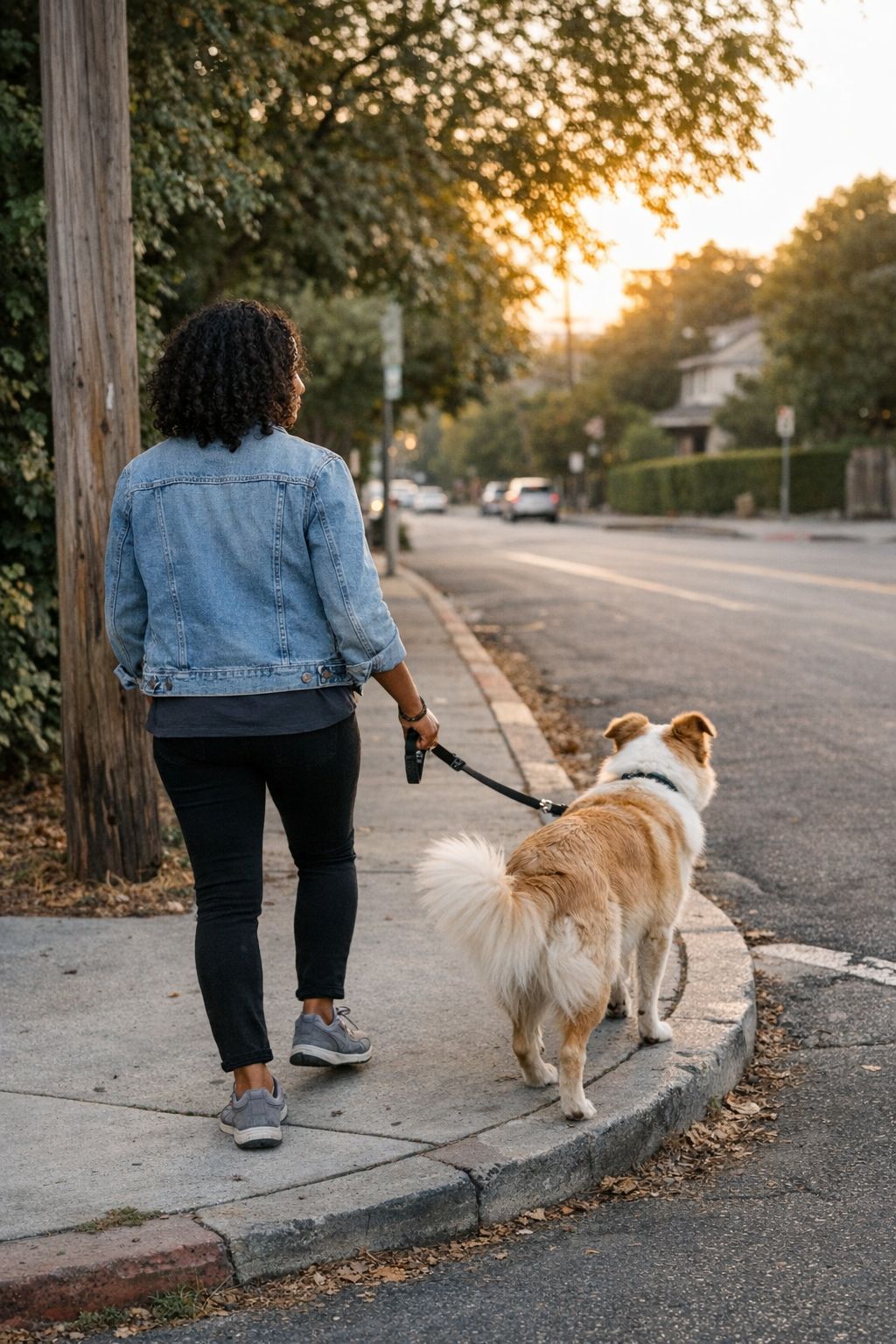
Most mornings in my apartment unfold in a loop—leash, shoes, a pause by the door while I fumble for keys, my dog circling in anticipation. The bed rests neatly pressed against the wall near the kitchen table. For months it seemed fine. But each night, he’d start on the bed and end up half under the table or beside the hallway mat.
At first, it just looked tidy. But the difference showed up in smaller ways than expected: a lopsided shift during dinner, settling with a sigh somewhere that wasn’t his corner. I kept stepping around his crate to get to the pantry, always meaning to fix it later. Each misplaced step stretched routines, turned feeding into a balancing act, and filled the air with a quiet tension neither of us seemed to shake during the evening reset.
You notice these details in the slow drag between activities—the toy that always ends up spilling into the walking path, the bowl you nudge aside with your foot. They’re not accidents, just small mismatches that repeat daily until they finally announce themselves.
The Difference Between Looking Set Up and Actually Fitting
Life at home with a dog is cluttered in a way that resists the neat pictures you see online. I tried soft beds and plush throws, but the real tests are quieter: Is there enough room to pass during the scramble out the door? Does the water bowl avoid the sweep of a wagging tail when groceries get brought in? Dogs remember, and I found mine would pace whenever the bowl was tucked behind a chair—an obstacle course invisible to anyone else.
That was the detail that kept coming back. Every rearrangement that looked fine in the afternoon became a block at night, when routine wore thin. It wasn’t comfort I was missing but ease—the kind of setup that lets you move through the space without a mental checklist. There’s always a temptation to make the space look settled. But routine exposes every shortcut and snag.
The change that actually worked wasn’t about buying new gear, just shifting a line: moving the bed into a low-traffic corner, away from kitchen commotion; tucking the bowl against a wall across from the door instead of beside it. Suddenly, cleanup became easier, movement less broken up, my dog’s circling shortened to a single turn. I only realized how much energy went into tiny detours when those detours stopped happening.
Routine, Friction, and the Smallest Reset
There’s rarely a single moment where you know you’ve nailed it. The only proof is how quickly things reset: the dog eats without hesitation, steps onto the bed and settles with one sigh instead of three. If there’s still a pause, it’s a signal, not a problem—most often, it’s about the path through the room, not the dog at all.
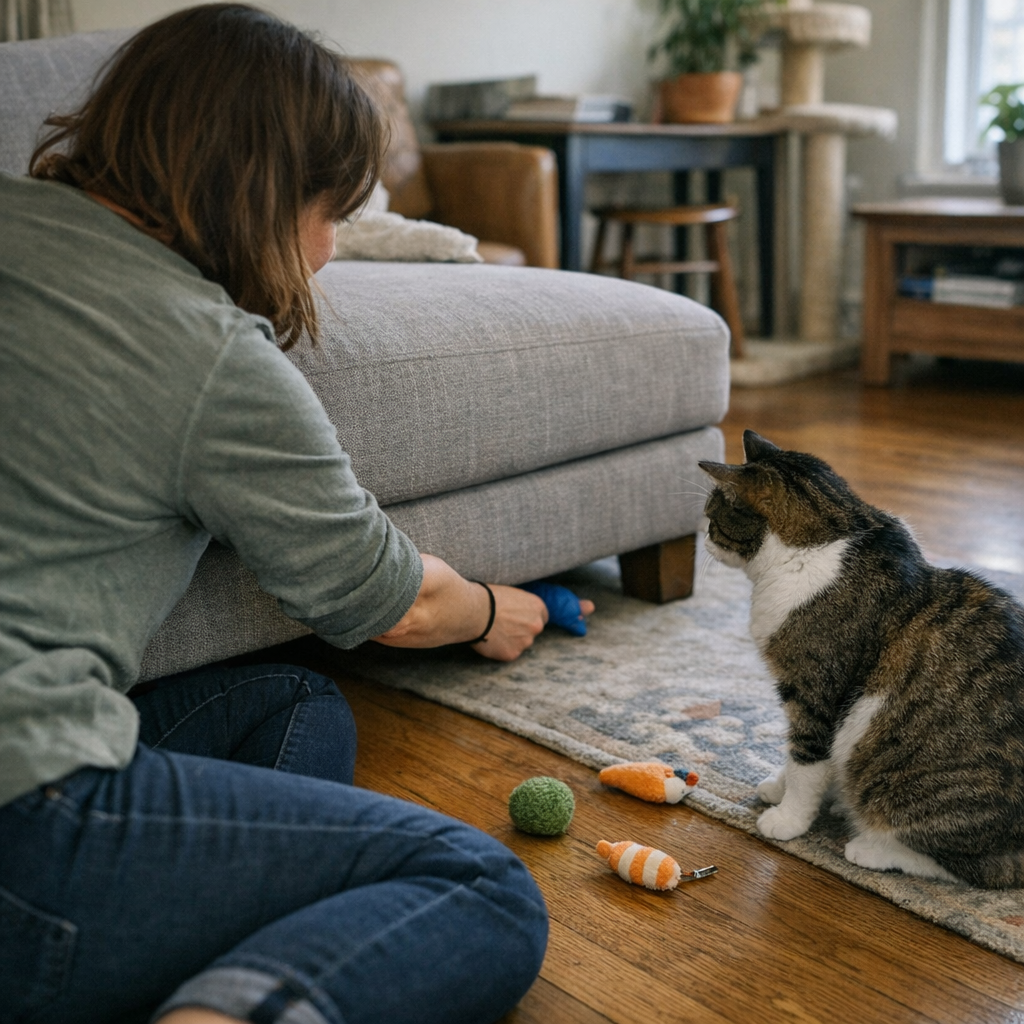
Most nights I slide toys away from the edge of the rug, gently nudge the crate so it doesn’t block the doorway, move the towel closer before bath time. These tiny realignments aren’t dramatic and wouldn’t make a before-and-after photo. But they let routines smooth out, making space a little less full of friction.
That kind of realization feels softer and more practical day to day than any big change. The moments your hand reaches for the bowl and finds it placed just right, the way your dog settles without hesitation, or how cleanup stops feeling like a dreaded chore—these mark the real difference. They stay with you by how quietly they let the routine run, more than by being obvious.
If you want to see what I mean, you can find more dog-life ideas quietly over here: http://www.dogpile.myshopify.com