When a Light’s Tightness Changes How We See Home
The line between snug and over-torqued lighting installations determines daily reliability, safety, and visibility; snug fits last longer and perform better.
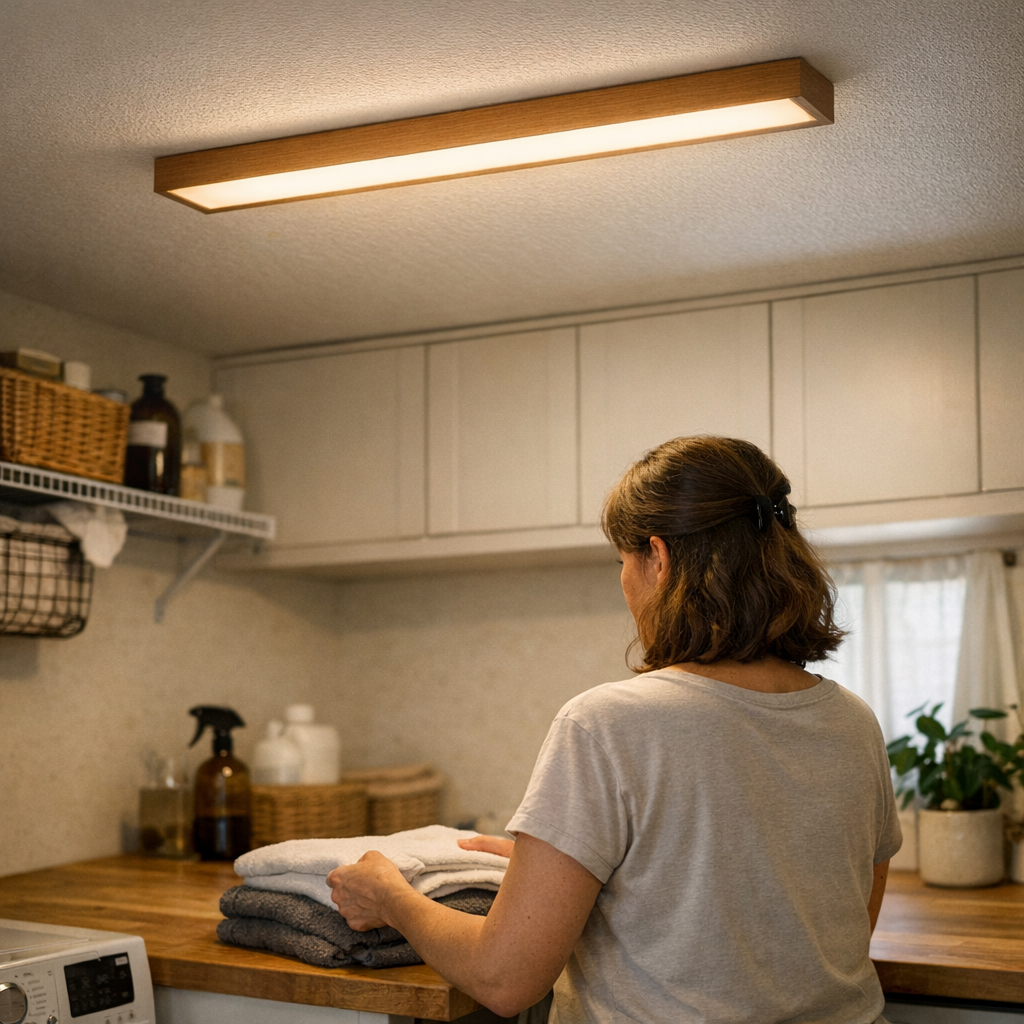
For a long time, I assumed indoor lights either worked or they didn’t—a simple equation solved by wattage, placement, or maybe a new bulb. But the real differences often start invisible, quietly hiding in the spaces I pass through every day. In my case, the smallest shift happened with a ceiling fixture above a hallway—a place mapped by habit, where shadow and shine blend into the routine.
No one ever mentions how a fixture feels when you first secure it: snug, hesitant, sometimes a little too eager with the drill. At first, the light looks fine, casting the expected wash across the floor and baseboards. But after a handful of weeks, something subtle creeps in. A line of shadow where there shouldn’t be, or a loose rattle when the door catches a draft. You don’t notice it immediately. But you feel it.
The Fine Line Between Seamless and Strained
It happens so gradually: the over-tightened fixture that seemed steady at first develops thin edges, hairline gaps against the ceiling, maybe a flicker just behind the frosted glass panel. That was the part I kept coming back to—how an everyday hallway becomes unpredictable, the light no longer positioned exactly where it’s needed, the path feeling strangely unfamiliar.
In stairwells or cramped bathrooms, the effect deepens. Shadows hug the corners, reflections on the mirror split oddly, and a section of tile stays just a little dimmer, no matter how long the fixture’s been glowing. I started wondering why some spaces are easier to move through, while others feel subtly off-kilter.
Small Signs, Slow Accumulation
The clues build quietly. Condensation forming at the edge of a ceiling mount in the laundry. Dust settling unevenly along shadow seams. A gentle creak after cleaning and a persistent gap that won’t sit flush anymore. These aren’t just aesthetic quirks; over time, edges like these allow steam and stray moisture inside, inviting subtle electrical hitches that don’t belong.
In utility rooms and under-cabinet spots, the same story unfolds. The more the fixture is forced during installation, the more the light misbehaves—areas meant for folding clothes or spotting a dropped sock suddenly claimed by glare or gloom. One night, reaching for laundry detergent, I found myself tipping the bottle directly into the brightest beam like the whole room had shifted beneath my feet.
Something Subtle That Lasts
One evening, for no particular reason, I reseated the hallway light—just enough by hand for the fit to be steady but not forced. The next morning, the shadow line had disappeared. The change wasn’t dramatic, but movement felt whole again. Door swings were quiet. The floor appeared even, and cleaning was easier. The fixture faded back into the background, which, I realized, is where the best indoor lighting belongs.
Sometimes, small corrections—like stopping short of over-tightening—make a daily difference that’s almost invisible, but not quite. Lighting that quietly supports the way you live tends to go unnoticed, until it doesn’t.
If you’re curious, more thoughts like these are quietly gathered here: http://www.lighthelper.myshopify.com