When a Pause Changes the Rhythm of Our Walks
Repeated dog hesitations on walks signal friction; brief pauses there ease tension, smoothing routines for easier daily outings.
It was the same most mornings—a brief pause as I moved around the kitchen, realizing my foot had found the water bowl again. Not a dramatic spill, not a major mess. Just a slow, careful dance around a bowl that never quite seemed to sit where I expected it, even though the kitchen looked put together. In all the small ways that daily life with a dog repeats, these interruptions kept catching me, even on quieter days.
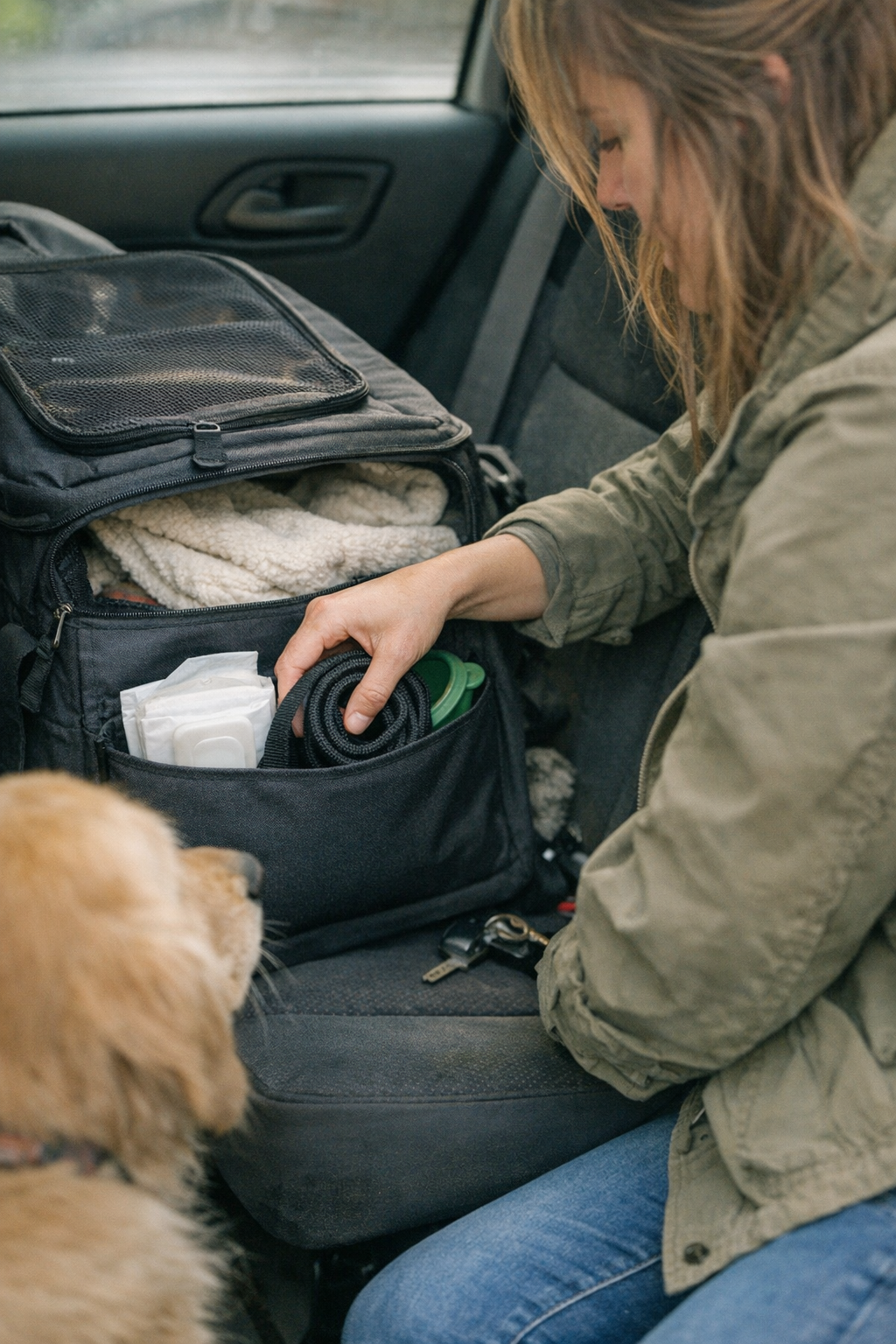
Living with a dog means living beside a pattern. Bowls set out before work, leashes hung on hooks, towels left near the door for muddy paws. The odd part is how often something that seems well-placed at first slowly starts working against the flow. You adjust, you step wider, you sigh quietly and promise to remember to move the bowl later—but the pattern itself barely changes. That was the part that kept returning.
Where “Looking Fine” Is Not the Same as Working
At the beginning, I set everything where it felt like it made sense—a spot for feeding, a rest corner with toys, a low crate just inside the hallway. I wanted tidy, easy routines that wouldn’t clutter up the already busy pace. But I noticed it after a few days: cleanup around dinner took twice as long with the bowl set just out of the walkway, and the rest zone turned chaotic as toys migrated beneath the table, spread too far to scoop up in one pass.
Bowls pressed against cabinet doors looked neat but blocked the cabinet space needed when cooking. A crate tucked out of sight was oddly hard to reach during that pre-work rush. Towels meant for muddy paws lost their purpose, folded neatly but stacked on a chair I never remembered to grab until after muddy footprints crossed the rug.
You spot the difference after a week. Not everything that stays put is helping the routine—it just lives there, familiar, until the next awkward step.
The Unseen Tension of Small Delays
Every time my dog circled for water and my own steps had to slow, I felt it—small, accumulating delays that didn’t register as big fixes but subtly altered the mood. A quick feeding became a longer, interrupted shuffle. Toys left in one rest corner never quite made it back and started scattering into walkways, tripping up morning routines. Clean-up at night was rarely just a “reset”—it was more like retracing earlier clutter. After a few evenings, you notice the difference between rooms that just look calm and routines that actually move calmly.
My original setup, though organized, quietly fought against me. A leash, half-tangled on a hook by the far door, meant fumbling when it mattered most. The bowl sat right where light hit the floor—and so did each slow, sticky spill after breakfast. These were not major mistakes. Just enough to ease flow from daily to slightly off-balance, from easy movement to checking twice before every step.
That was the tension—the way tidy placement faded fast, small interruptions fraying the edge of each repeated routine.
Rediscovering Calmer Flow in the Familiar
I tried moving the bowls, not out of a wish for perfect order, but to see if the interruptions would fade. Sliding the water bowl just a foot further out from the walkway, I found the morning shuffle grew quieter. Cleanup, too, became less of a hunt for scattered toys and more of a simple sweep, reset, rest. That adjustment didn’t solve everything, but the repeated friction lost its edge.
One small practical realization lingered: a spot can look tidy, even thoughtful, but if your body keeps adjusting to it—sidestepping, doubling back, bending in awkward ways—it’s not really working for you or the dog. Shifting a setup, even slightly, doesn’t have to feel like re-inventing the day. It’s an ongoing, lived-in negotiation, kind of like learning which routines need more space around them and which ones work fine as they are.
You feel the difference later, in the quiet minutes after the door clicks shut for the night. Toys are corralled in reach, towels hang off the back of the door where muddy paws pause, the crate sits just inside the edge of comfort but not in the way. It’s not about creating untouched order. It’s the lightness of fewer course corrections, the return of calm in daily resets—not perfect, but closer to effortless.
Sometimes daily life with a dog balances on small changes you only see in hindsight. If you want to see everyday setups that make sense for actual routines, DogPile has some quietly useful ideas to browse: http://www.dogpile.myshopify.com