When a Quiet Room Means More Than Just Order
A wall storage system that fits daily routines enables smoother flow, reduces reshuffling, and reveals hidden friction for easier use.
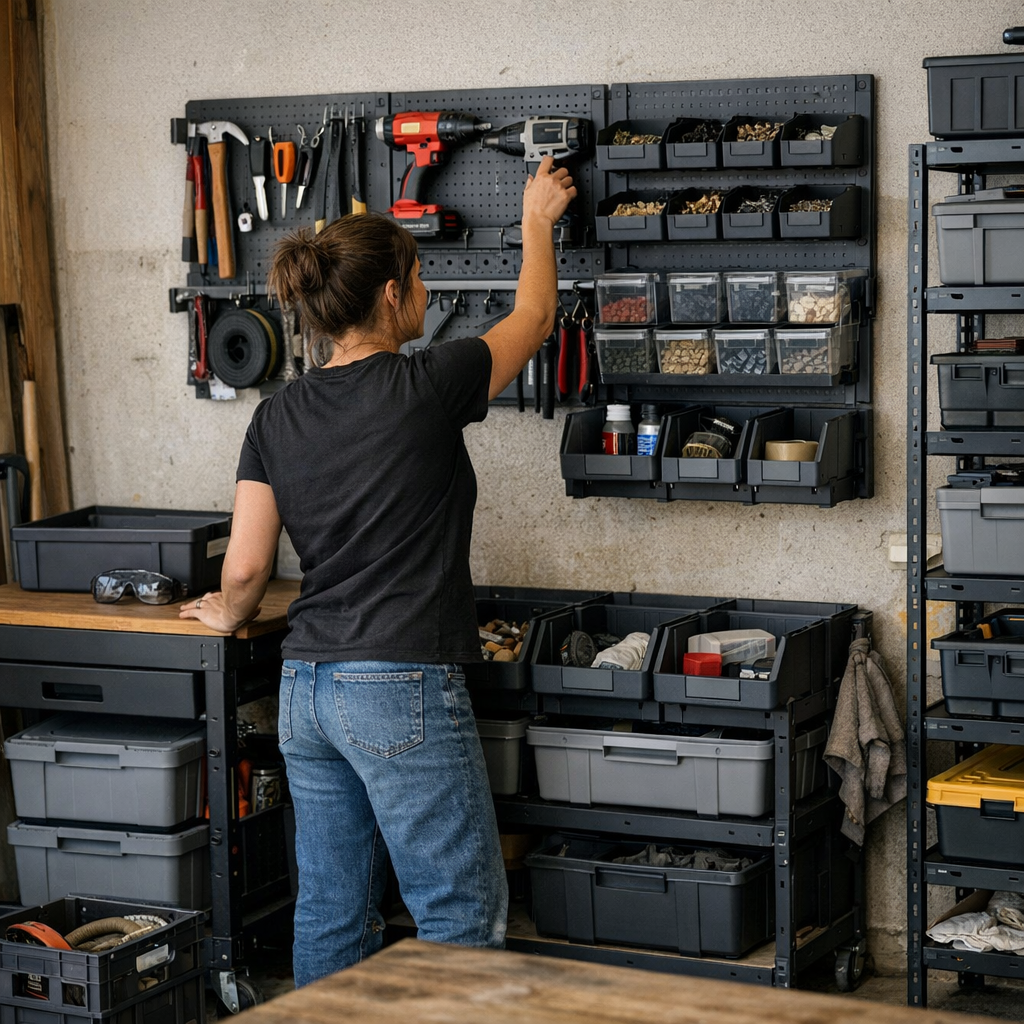
There’s something deeply reassuring about a well-organized wall in a workshop or garage. Rows of tidy bins, neatly lined up, nothing out of place—at least, not at first glance. I used to think this kind of visual calm meant the storage system was working. Clutter was contained. But after a few days of reaching for the same screwdriver or spare bulb, small irritations crept in. The setup looked orderly, but my own movements began pushing against it.
You don’t notice this right away.
But you feel it.
When the System Hides Its Own Friction
The gap between storage that looks organized and one that actually fits the flow of your hands and routines can be quite wide. A pegboard with every tool in place can slowly turn into a minor obstacle course. Items that were easy to find become blocked by others, requiring subtle shifts or awkward stretches. The system remains visually intact, but its invisible seams start to show. A bin might look full, yet I find myself digging through layers or leaving something out “just for now,” planning to put it back later.
Quietly, the daily rhythm becomes chipped away.
One day, a tool stays on the counter. Then two. Dust gathers on pegs no one uses. Only then do I realize: order alone isn’t enough.
Observing Where Movement Gets Stuck
The biggest change came when I started watching how I really moved—a small shift in attention. It’s easiest to spot on busy days. Repeatedly retrieving and returning the same items reveals where friction lives: a high shelf that’s just a bit too high, a bin always hidden behind another, a tool that nudges everything else out of place. This helped me see the difference between tidy storage and true flow.
Often, you don’t need more space.
Sometimes clarity comes from dividing a long wall into clear zones. Tools I use most sit within arm’s reach, heavier boxes stay lower. Dropping the main tool rail a foot made the difference between a constant juggling act and smooth repetition. There’s subtle relief in paths that don’t cross and hands that don’t hesitate.
The Calm That Follows (When Ease Outweighs Arrangement)
What surprised me was how the workshop felt different. Not quieter visually, but quieter because I spent less time thinking about where things should go. The real sign of a system that works: tools return with one smooth motion, and I stop finding reasons to leave things out. Some shelves even stayed empty—not from neglect, but because they simply weren’t needed; movement chose its places.
It’s strange how calm isn’t found by filling every gap, but by matching the space to what I actually do—again and again, without fuss.
I returned to this idea while revisiting an old storage wall, thinking about what mattered now versus what just looked right before: View the full collection.