When a Sideboard Becomes More Than Just Furniture
Defining and maintaining sideboard storage rules transforms clutter into order, speeding retrieval and reducing accumulation with fixed categories and reset habits.
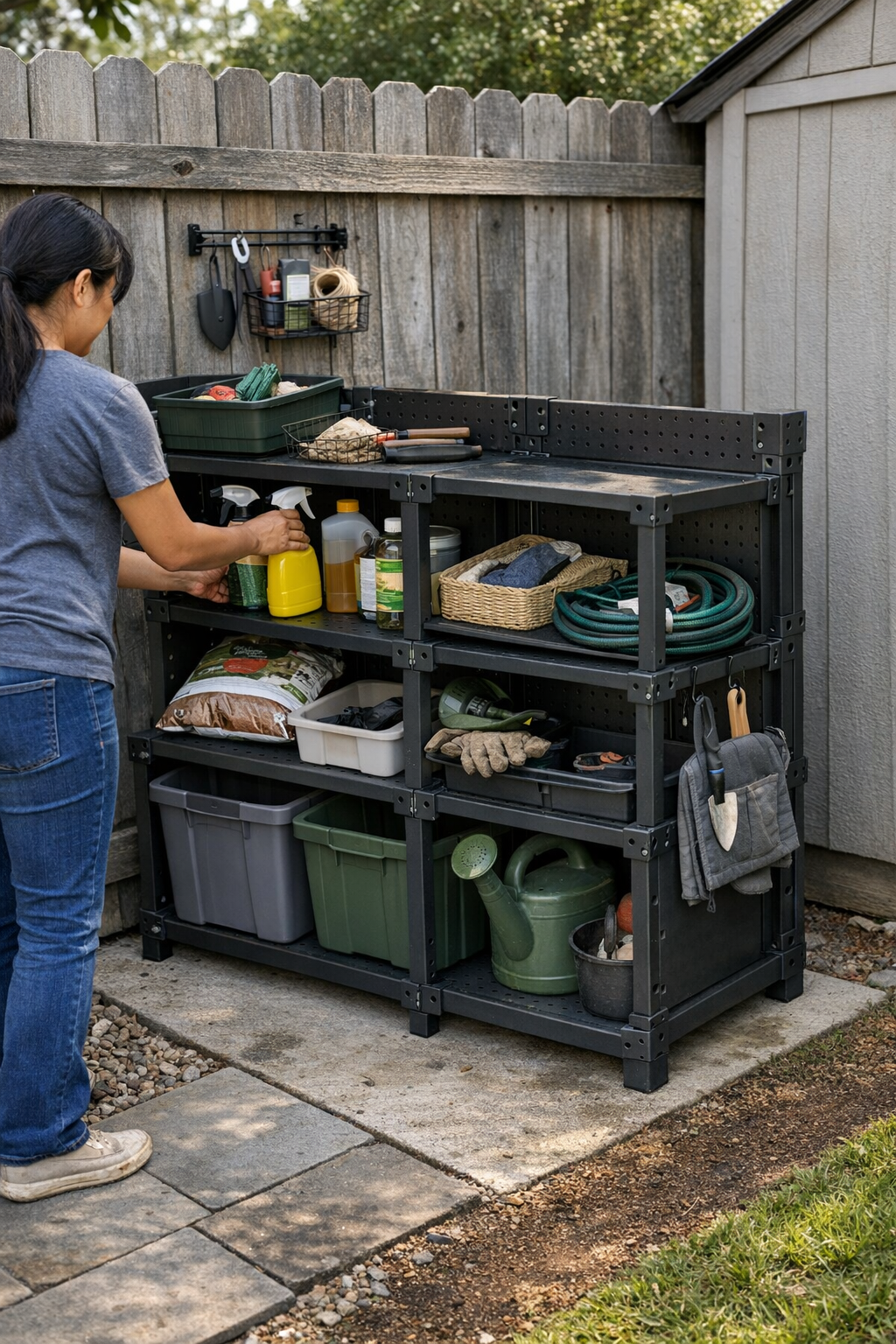
There’s a kind of quiet promise when you first set up a sideboard in your home storage system—drawers slide smoothly, shelves hold only the right serving plates, and doors hide everything that doesn’t belong on display. The surface stays clear for a while. It feels like breathing out, trusting the space to hold back the usual chaos and clutter that comes with everyday use.
But routines have a way of pressing their own patterns into storage, whether you like it or not. The drawer meant for napkins collects stray chargers; the shelf for dinnerware ends up with envelopes tucked in for later. This drift isn’t always sudden or obvious, but over time, it becomes noticeable. The once-neat sideboard develops a quiet friction—each retrieval slows, each return feels a little less certain.
The Surface Isn’t the Story
Looking at a closed, symmetrical sideboard, you might think everything is under control. For a while, that’s enough. But repeated retrievals reveal something else: small hesitations, a growing urge to avoid opening a door altogether. Most of this friction comes from blurred boundaries. I found myself opening two or three drawers just to find the right cable or leaving things on top because there wasn’t an obvious place they belonged. That line between proper storage and simple stashing turns out to be thinner than it looks.
How Categories Quiet the Room
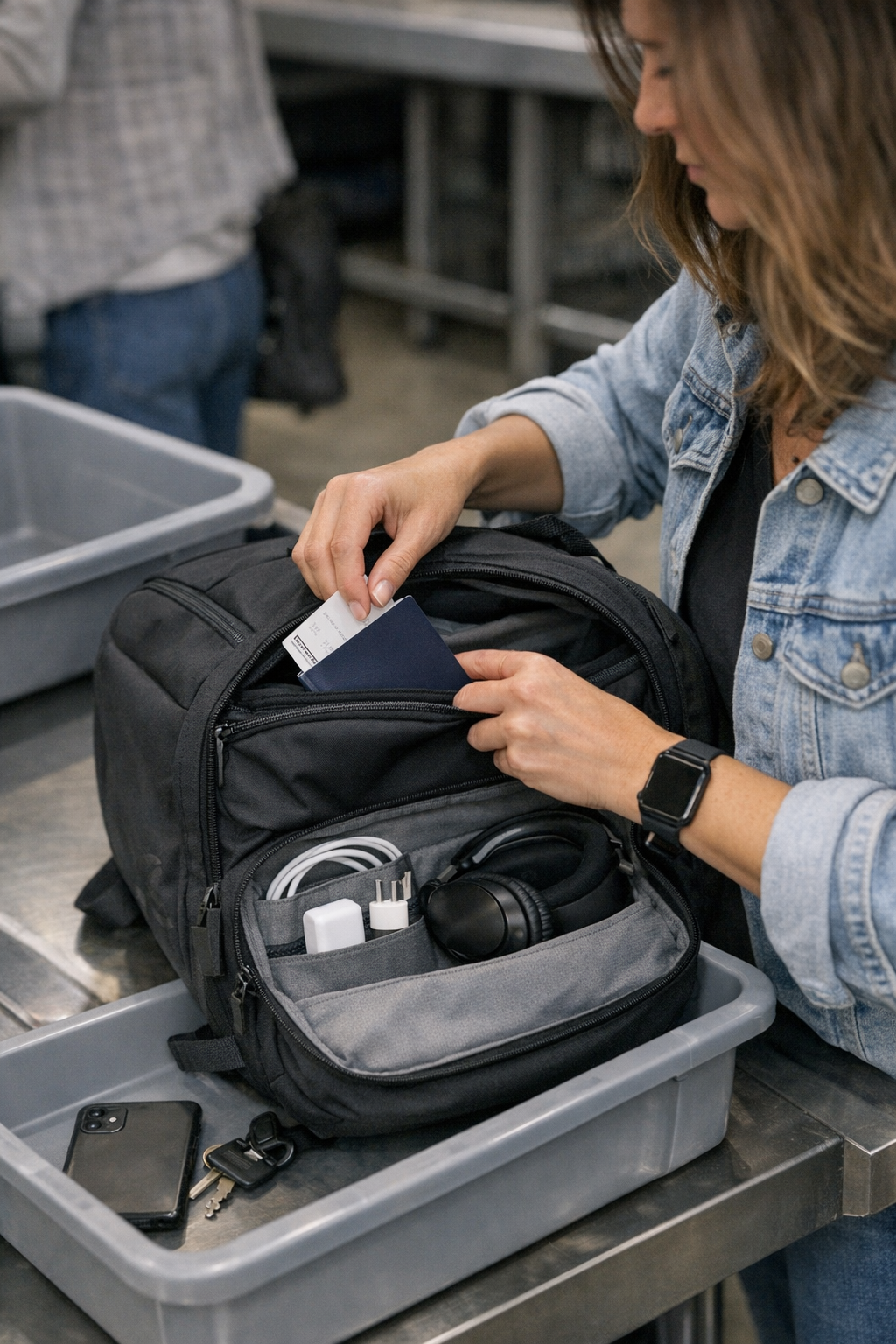
The turning point wasn’t dramatic—just a quiet, persistent return to function. Assigning the top drawer only for chargers, the next one for napkins, and another shelf for backup plates started to smooth out the daily flow. The biggest improvement came from adding a shallow tray inside the drawer that always collected the most clutter.
With those small changes, everything snapped into a clearer order. Finding what I needed became a single movement, not a frustrating search. It didn’t fix every issue, but it shifted how the sideboard worked: less an unpredictable catch-all, more a reliable part of the routine that required minimal attention.
Closing the Doors Doesn’t End the Story
This is the tricky part of closed storage—it hides disorder but doesn’t solve it. A sideboard’s promise holds only if the inside maintains its categories. Otherwise, resets slip, surfaces pile up, and the same minor annoyances resurface. Overflow and forgotten overflow, blocked access, and category drift all build tension quietly behind the doors.
Living with sideboard storage, especially in mixed-use and limited spaces, isn’t about perfect order. It’s about predictable retrieval, easing the reset burden in routines that inevitably shift and spill over. There’s a subtle satisfaction when, at week’s end, everything is still in its place, drawers returning smoothly, shelves holding steady, and the system supporting daily use rather than resisting it.
For those curious where these observations landed, I found some of my answers quietly waiting here: http://www.gridry.myshopify.com