When a Simplified Closet Feels Like Home
Reducing closet sections improves daily access, reset speed, and minimizes category confusion and spills, making the closet work better over time.

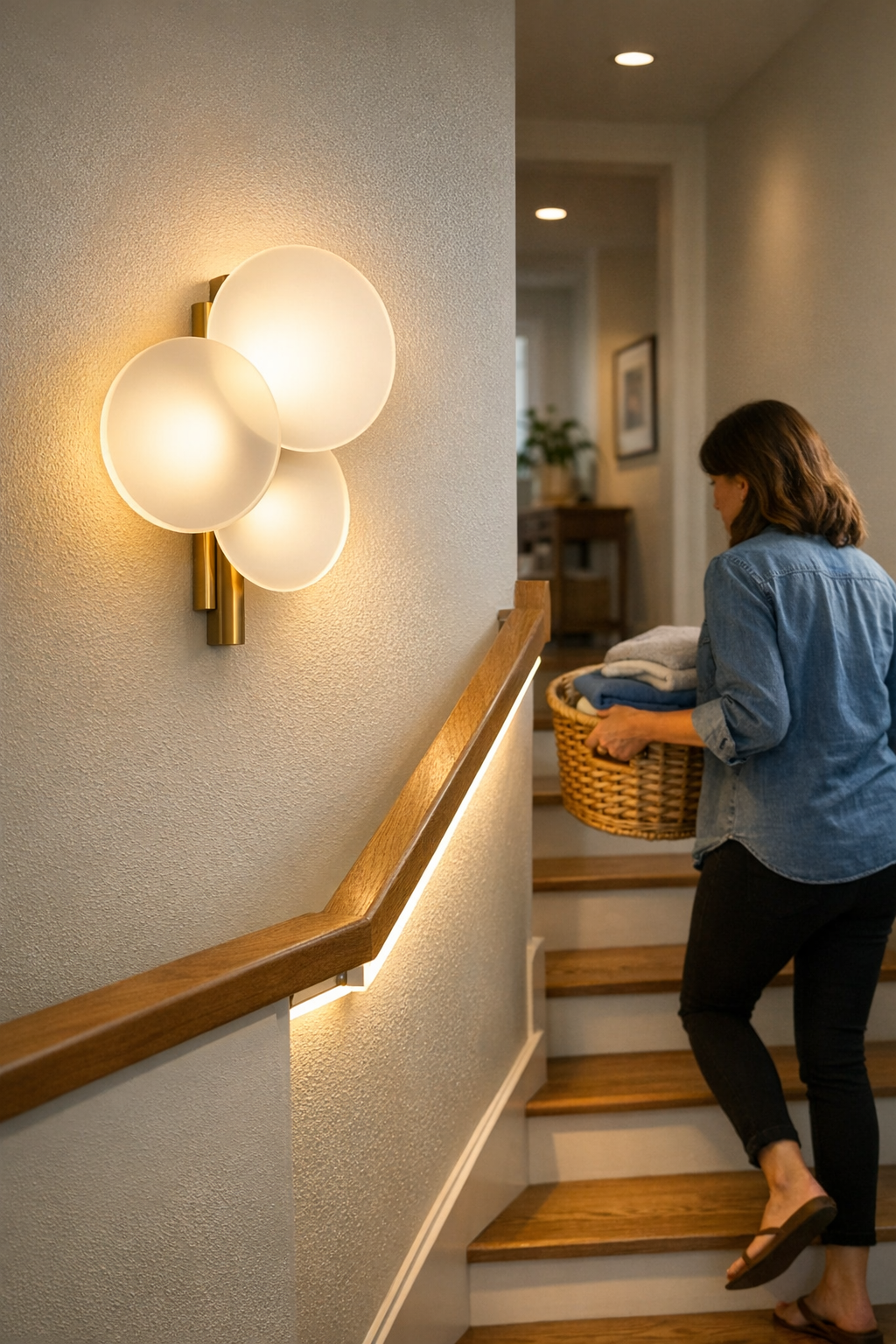
Some mornings, it feels like your closet is working against you. There’s that moment: arms full of laundry, you open the door, and what should feel simple becomes strangely complex. Those tidy dividers, so promising at first, now block, limit, and disrupt. Closet organization feels like it shouldn’t be so fraught, and yet—small frustrations creep in, grain by grain, until you notice them in your bones.
It doesn’t shout for your attention.
But you feel it.
When “More Organized” Means More Friction
Closets with too many partitions can feel precise. Each shirt, sock, bag—slotted into a dedicated home. At first, there’s a sense of clarity, like everything will finally stay in order. It’s a satisfying illusion.
But the reality settles in slowly. As days pass and routines repeat, those same dividers become obstacles. Putting away fresh laundry transforms into a puzzle. Stacks start to teeter inside tight little cages, shirts sneak into the sock section, and the idea of “categories” blurs at the edges. You move three things just to reach one.
You don’t notice it immediately.
But eventually, every reset takes longer.
Space Isn’t Just Vertical and Horizontal
I spent a week in a closet organized “by the book”—extra shelves, plenty of barriers. The result: what should have been one smooth shelf became three cramped lanes. Each load of laundry sparked a mini-reset, baskets awkward in the tight gaps, folded shirts pushing past boundaries that no longer really fit their lives.
It changed the day I removed most of the dividers, letting a few sections stretch wide. Suddenly, one simple move could shift an entire stack. Everything breathed a bit. Space reveals itself not only in inches, but in how easily items move and settle.
The whole closet felt less judgmental.
The Real Work of a Closet
We want our storage to project order, but life doesn’t always fit categories. Some days you have more; others, less. The closet that adapts quietly, that allows a shirt to slip from “work” to “weekend” without toppling the whole system, is the one that gives back time.
The practical wisdom comes quietly: fewer, wider sections mean less friction. Shelves adapt and recover. The boundaries aren’t so tight that you need to think about them every time you put away a pair of pants.
You don’t realize how much energy you spend nursing small systems back into place—until you stop.
Things came into focus while I was shifting my own shelves around, hunting for a setup that wouldn’t fight me back.