When Backyard Storage Becomes a Daily Challenge
Choosing the right outdoor storage affects return flow and upkeep; a poor choice leads to clutter, blocked access, and costly daily resets.
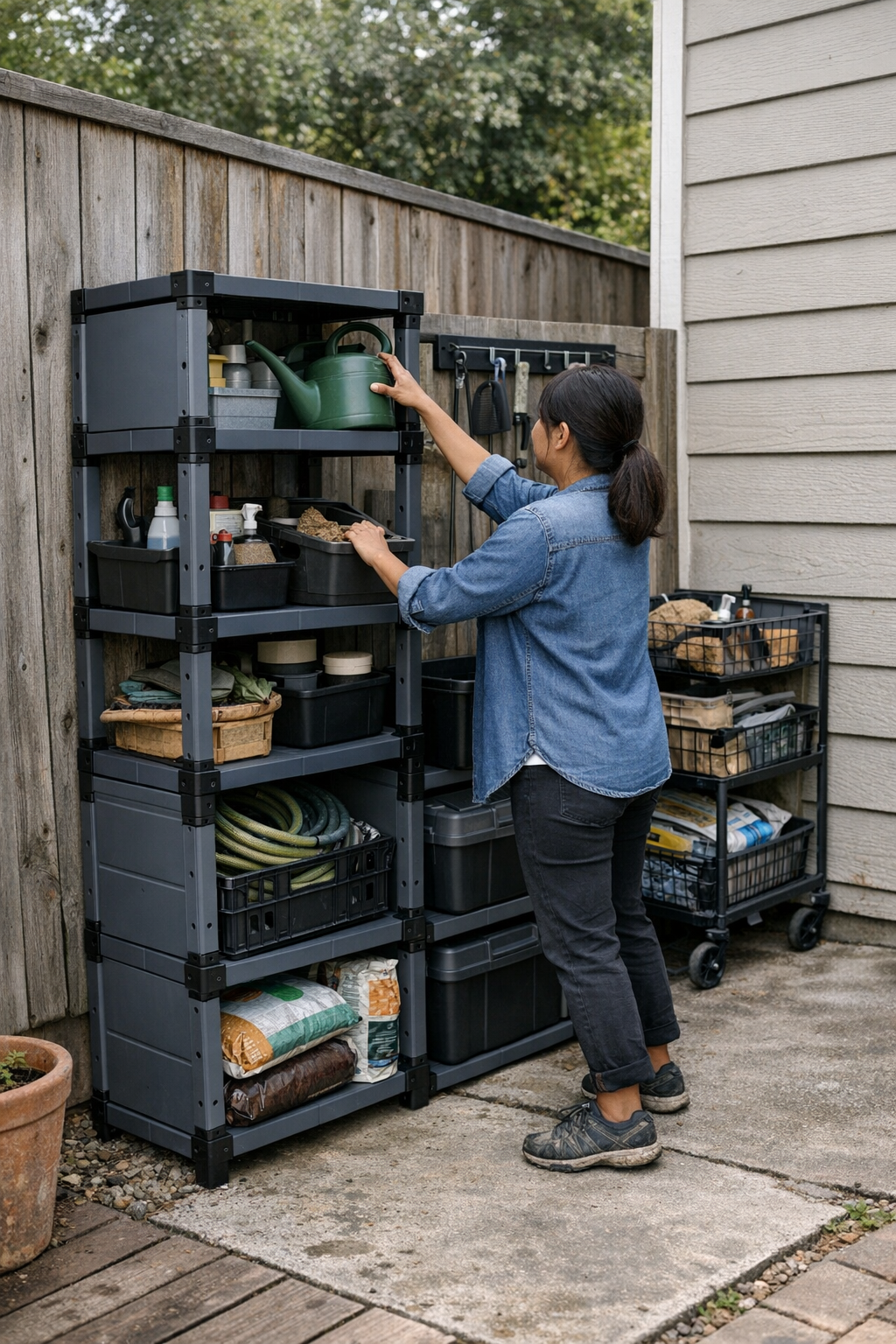
Sometimes the hardest problems in a yard aren’t the big ones. At first, I didn’t notice the pattern: tools somehow ending up where I needed to walk, or bags of potting soil slowly edging out from a supposed “system” into the open path. It isn’t dramatic—just a low-grade friction, the ongoing sense of having to nudge something aside.
Choosing how to organize what lives outside feels like it should be simple. A wall-mounted rack, a shed, or a few bins tucked away to the side. The difference only becomes clear once you settle into a groove—after the first burst of tidying gives way to daily use. Then you start to see the seams.
Where Things Gather
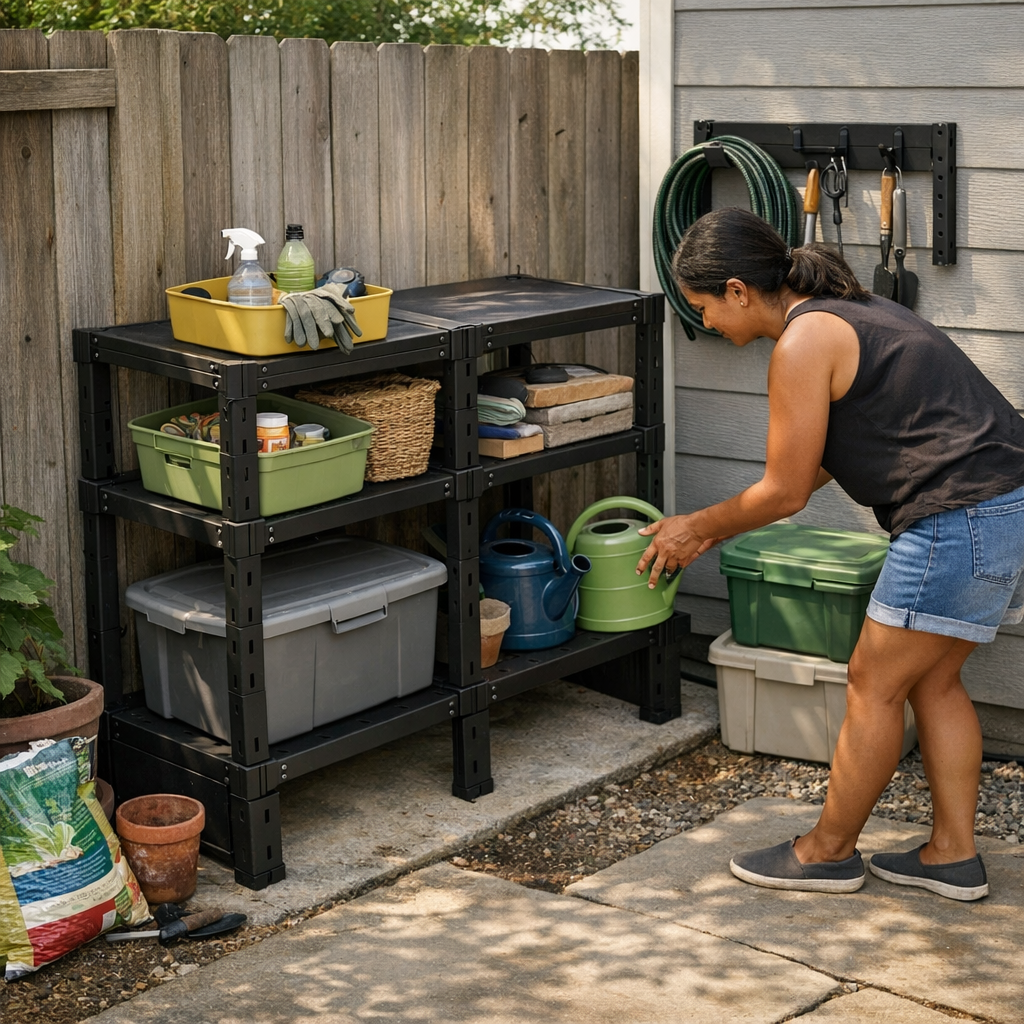
You don’t notice it immediately. The way a garden fork finds the narrowest corner and stays there, or how pool noodles pile up by the gate after a weekend, even though you put up shiny new hooks. Sometimes the storage is just the wrong type for the rhythm of the year—bins with slippery lids, or a shed that hides more than it helps.
Watching the space over time, the real sign appears: items that don’t make it back. Floor piles reappear despite your last effort. A wall system with the wrong rails becomes background noise, with hooks unused except for things you rarely touch.
That was the part I kept coming back to—how much a storage choice shapes what the yard actually feels like to walk through.
Movement and Return
Return friction, I heard it called once. It sounds technical, but you feel it in your bones when you carry a muddy shovel, trying to tuck it away, only to find the shed blocked from last time. It’s the extra steps, the narrowing pathways because bins overflow, or the bikes you thought had a place now leaning precariously against a trash can.
Fixed sheds give you space—until they fill with layers. Modular racks look flexible, but sometimes their boundaries are too soft: things start wandering, ending up exiled to the path where you meant to just pass through.
There’s a quiet relief in finding a setup that matches the pace and pressure of your routine, even if that means moving a hook to arm’s height or breaking one big zone into smaller ones.
Sensing When It’s Wrong (and When It’s Right)
Small yards and shared spaces have their own demands—one extra bag or a garden project can tip everything out of line, blurring walkways with overflow. Sometimes the fix takes no new gear at all; just shifting what goes where, or realizing a system never truly got used the way you hoped.
You might notice it after rain, when things that should be easy to return start stacking outside again. Empty hooks on the wall, but shovels on the ground. A shed that swallows the stuff you rarely use, while your everyday items have nowhere to land.
I found that paying quiet attention—watching what resists return, noticing which pathways close up—did more than any bold reorganization. The arrangement that feels right is almost invisible. It doesn’t ask for applause. Just a clear space, easier movement, a Saturday that ends with less to put away.
These reflections kept surfacing as I rethought the layout around my own small yard, helped by examples I spotted here: http://www.tidyyard.myshopify.com