When Backyard Storage Shapes Everyday Outdoor Life
A backyard storage setup works if it withstands repeated use, minimizes return friction, and matches your movement patterns and space.
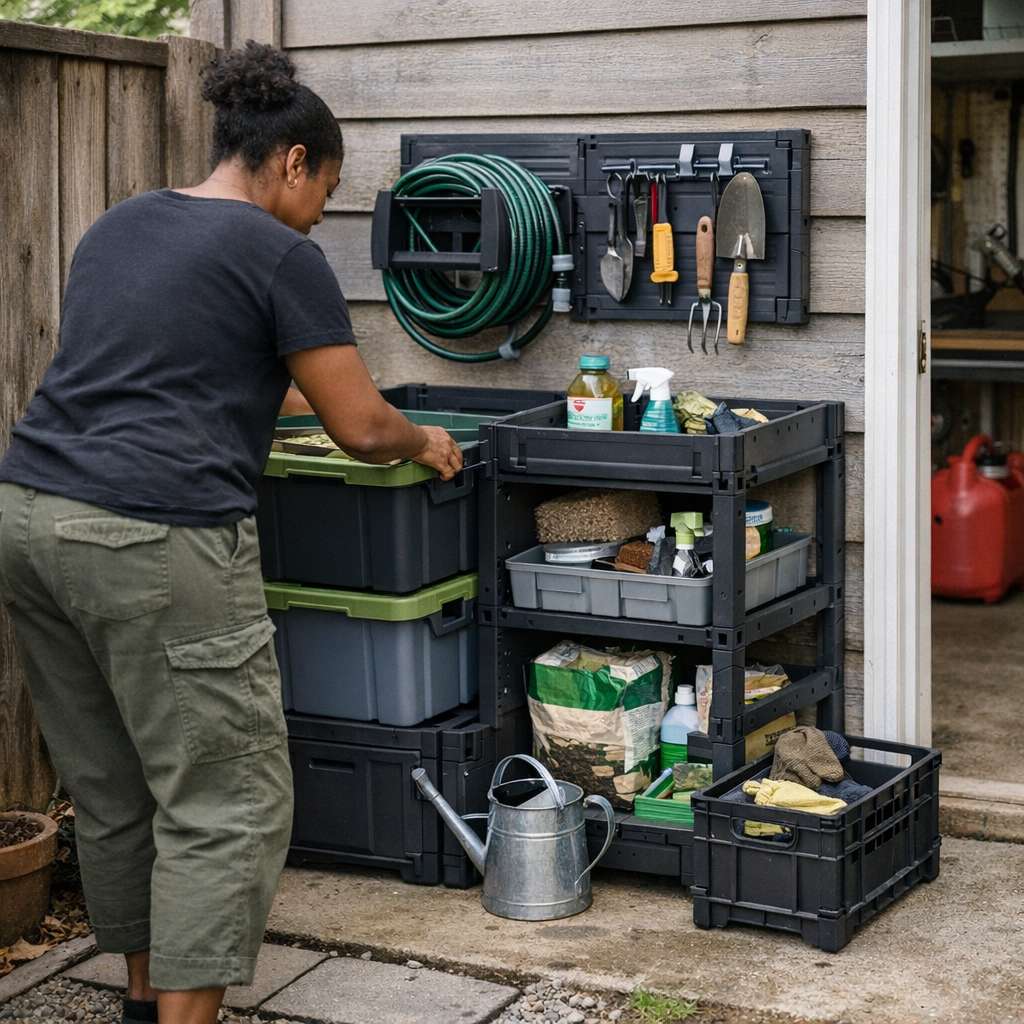
Most backyard clutter doesn’t announce itself right away. You just start to notice little obstacles—an awkward turn, a box that’s suddenly always in the way, a patch of grass you keep stepping around to avoid a scattered pile.
It’s subtle at first. The place you managed to keep neat after a weekend of sorting begins gathering overflow—softballs, forgotten gloves, garden hose loops, patio cushions that don’t quite make it back to their spot. The promise of simple organization starts losing ground after a few busy weeks, no matter which storage system you chose.
That was the part I kept circling back to: how the right kind of backyard storage isn’t about that first clean afternoon, but about what keeps coming undone in the rhythm of daily life.
Where Use Patterns Begin to Fray
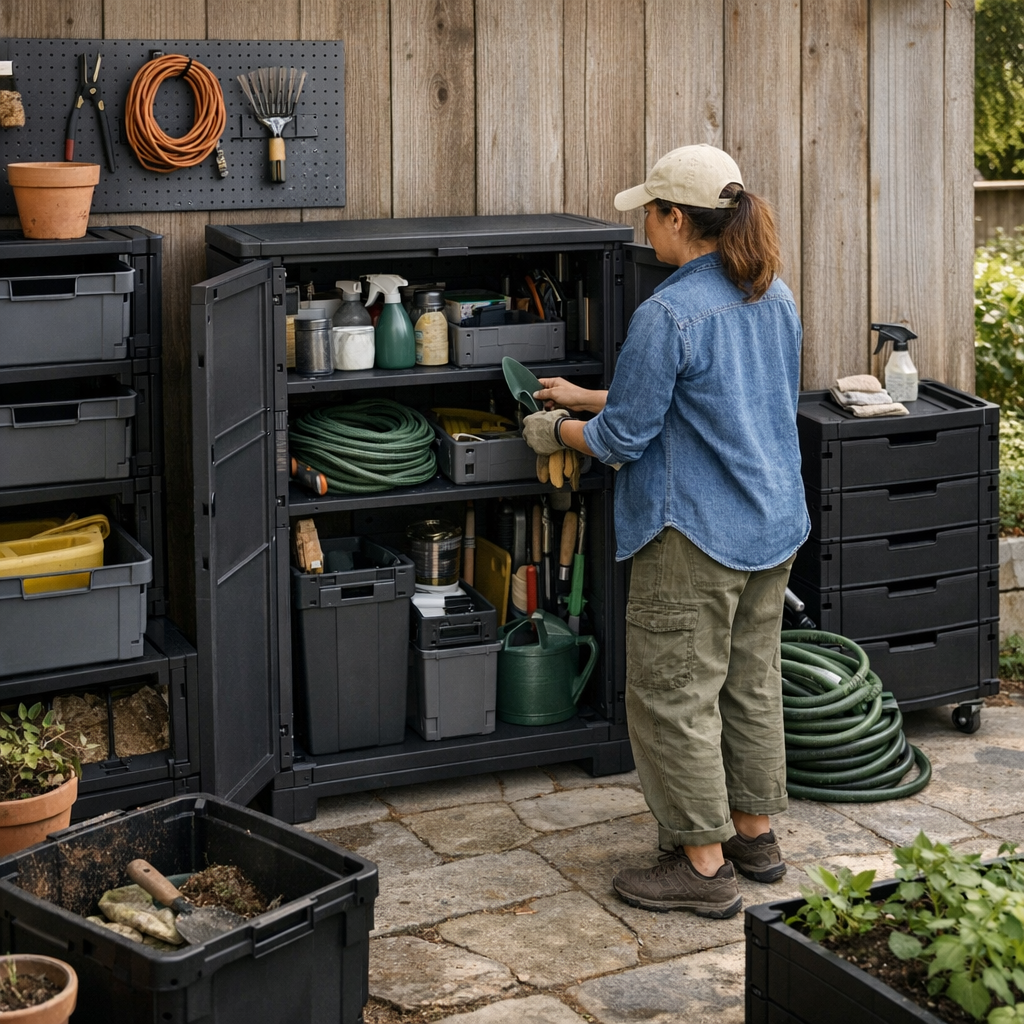
You don’t notice it immediately. But over time, the differences between storage types—wall racks, stackable bins, mobile carts—start to matter. The day after a barbecue, or in the rush of getting kids’ gear inside before it rains, small breakdowns in where things belong show up as friction points. Lids left propped open, shelves that collect more than they hold.
The way we move through the yard tells on us. Narrow paths get choked by bins meant to help but that steal vital inches. Fence lines fill with overflow, not because the storage failed, but because the path to return got just awkward enough. Sometimes, it isn't even messy—just subtly more difficult to reset things than it was to pull them out.
Real friction almost always starts where movement stalls or return habits are interrupted. Noticing these silent signals changed how I saw which systems really worked.
The Difference Between Good Enough and Satisfying
There’s a difference between a storage unit that looks tidy and one that genuinely makes your space lighter. Wall racks that sit too low get crowded; stand-alone boxes become hazards if their lids are a hurdle. Modular bins seem ingenious until one missing lid throws everything out of sync.
Sometimes, it’s simply about how often you find yourself sidestepping. Or how you never mind returning something to its place because the path is easy, obvious, and—most of the time—still open. Standalone units, if sized right, never feel like one more thing to deal with at the end of the day.
One gentle shift: the storage that feels ‘right’ is usually the one you barely notice. Not flashy. Not necessarily huge. Just there—responding to your use, not the other way around.
How Quiet Solutions Hold Up
The best backyard system isn’t necessarily the biggest or most “modular.” It’s the one that quietly accommodates your routine, the repeated coming and going, the quick returns and spontaneous gatherings. Systems that leave a little breathing room for pathways, that forgive the odd rushed drop-off, and that don’t become a project themselves each time you want things put away.
After a season, you see which choices hold up. Wheels that don’t snag on the paving. Hooks spaced so nothing cascades off the wall. Lids that are easy to pop open and shut without second guessing. Most of all, you can tell by how clutter doesn’t gather in the same old places—and how returning things rarely slows you down.
It’s a quiet kind of satisfaction, the kind you only notice because what used to trip you up has faded into the background.
These realizations settled in one mild afternoon while browsing through this simple storefront: http://www.tidyyard.myshopify.com