When Bathroom Storage Holds More Than Towels
A tall linen tower cabinet defines storage boundaries and reduces visible bathroom clutter, easing daily reset and maintaining order as routines change.
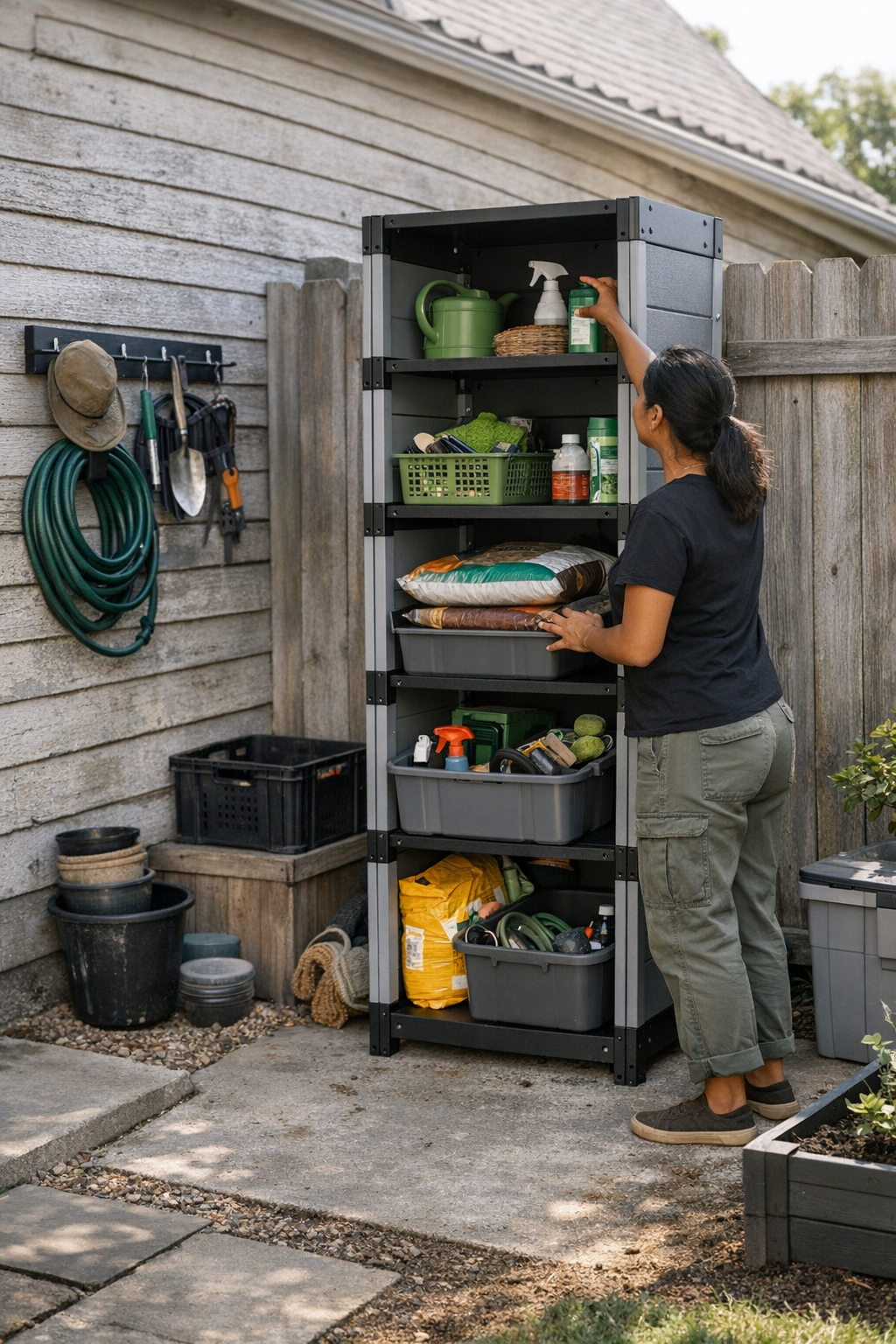
On a weekday morning, it’s easy to fool yourself. Towels fold neatly, bottles line up, and the open shelving almost feels like an invitation to stay organized. But after a few uses, something shifts—a half-used shampoo bottle migrates, a towel leans off its stack, and little by little, the overflow starts leaking past the edges. You don’t notice it immediately. Living with a bathroom that depends on open organization means you start to sense this slow, invisible drift, even if the surface holds up one more day.
That was the part I kept coming back to.
Hiding the Spread (Or at Least Pressing Pause)
I used to think the main battle was keeping everything visible—if you could see it, you’d handle it. But open shelving never really made the space feel easier to manage. Each week, the same seldom-used items would drift out of their zones, expanding until the whole bathroom needed a reset. If any routine broke—like a guest visit or a rushed morning—the system fell apart quickly.
The first time we installed a tall linen tower cabinet, it wasn’t about hiding mess but about slowing how fast things came undone. The closed doors became more than a visual fix; they drew a boundary between “this is fine for now” and “this needs attention.” Even if the piles behind the door weren’t perfect, the room itself could breathe better.
Invisible Boundaries Matter
With the cabinet in place, I found myself returning items to the same shelves—almost without thinking. Categories stopped merging. Bath items stayed with bath items, extras were below, and backup bottles stashed safely behind a closed panel instead of scattered on the sink. When overflow happened, it was contained inside, rather than spilling across open counters and into the shower corner.
You only really notice this the first time you skip a reset. The closed cabinet doesn’t advertise missed steps, so you worry less about small lapses turning into visible overwhelm. Overflow still happens, but it pools out of sight, making it easier to reset with a single sweep.
How Much Space Is Enough—And Not Too Much?
Even a slim linen tower held more than I expected. The vertical format didn’t get in the way, and shelf spacing optimized for towels discouraged overstacking. The room felt steadier, less likely to unravel overnight. Physical limits—the height, depth, and door swing—became quiet rules that gently curbed the worst pile-ups.
You feel this most after a busy stretch: fewer half-empty bottles floating outside the cabinet, fewer towels slung wherever someone left them. It didn’t make us more disciplined, just less vulnerable to daily drift.
I still leave a bit of room for things to move and the occasional bottle to go missing, but the difference when storage catches overflow—not just displays it—is worth living with for a while.
It’s the kind of shift that sneaks up slowly and settles in almost unnoticed: View the full collection