When Batteries Fade: The Quiet Decline of Your Air Cleaner
Running a lithium battery to full discharge causes output loss and inconsistent cleaning; changing batteries early keeps performance steady and reliable.
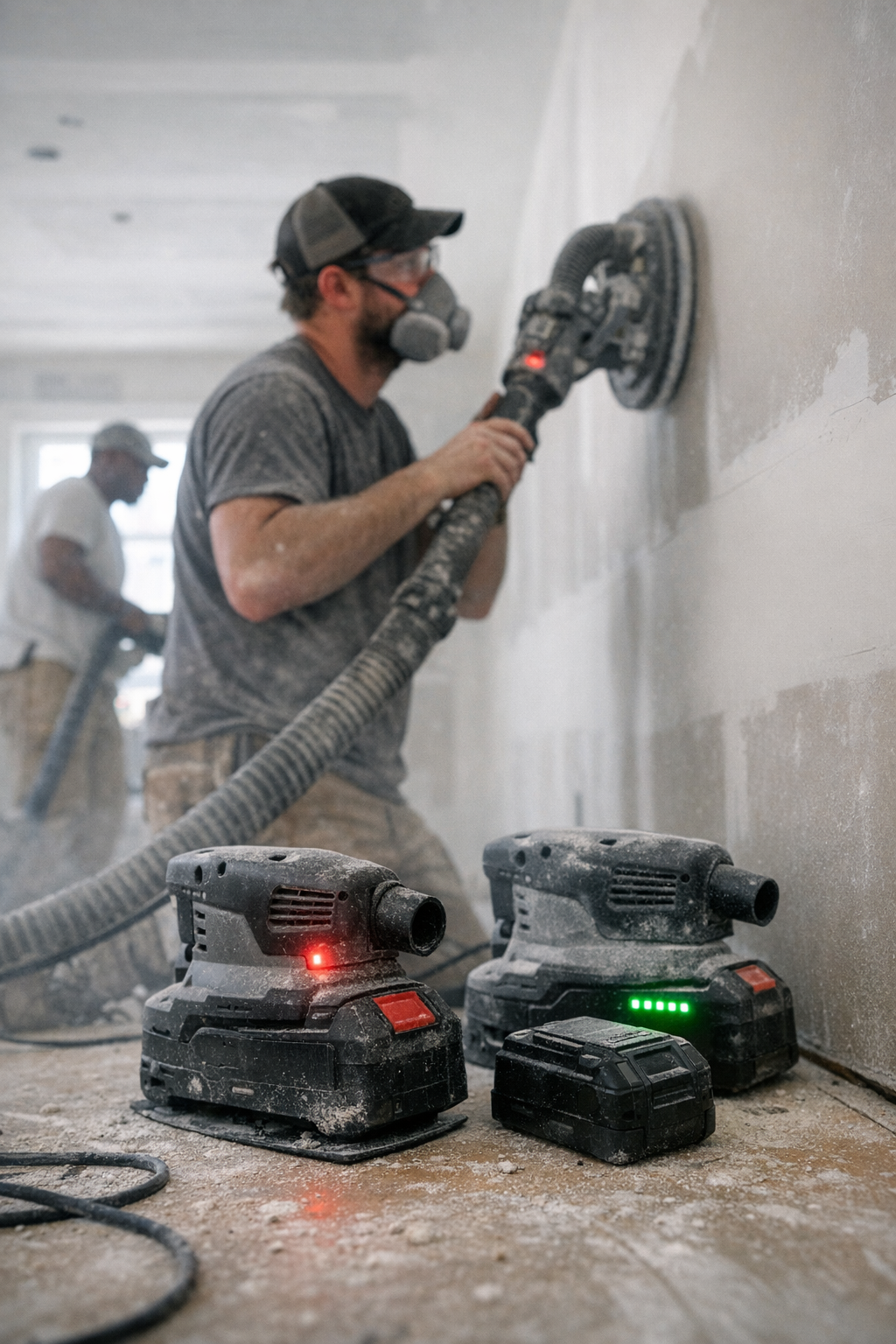
There’s a quiet frustration that settles over a long workday—one you rarely anticipate. It begins when your tool, reliable and steady in the morning, starts falling just short when you need it to last. Battery wear isn’t immediately obvious, but you start to feel it in small ways.
At first, cleaning might not feel as thorough as usual. The air cleaning tool seems the same, but its rhythm is off, and the power doesn’t quite reach into the seams. Without noticing, a small technical decision—how far you’re letting the battery run down—begins to change the pace of your whole project.
Where Battery Wear Really Begins
It’s easy to think all lithium-ion batteries perform the same until the very end. On the surface, two identical power tools can look and feel nearly indistinguishable during the first few cycles.
But differences quietly appear after repeated, longer sessions—especially if you let the battery drain completely until it shuts off each time. The changes are subtle at first: airflow isn’t quite as strong, the motor hesitates, and the final pass over a dusty edge takes a little longer.
You don’t notice it right away. But with continued use, it becomes clear—your cleaner lacks the consistency it once had, and you’re making extra passes over the same spots.
The Subtle Signs You’re Missing
There’s a small but telling shift that’s easy to overlook. Maybe you hear the motor’s pitch change slightly, becoming rougher as you reach the day’s last tasks. Or perhaps seams and corners stay dustier, no matter how many times you go over them.
Most tools give little warning before reaching their deep-discharge cutoff. One cycle of letting the battery drain fully isn’t dramatic, but a pattern of doing so wears the cells down. Gradually, losses pile up over weeks of work.
You find yourself doubling back, fixing what a stronger tool would have cleared on the first try. The cost isn’t obvious immediately, but it accumulates—minute by minute, panel by panel.
Holding Back the Decline
Eventually, I realized the most effective change wasn’t technical—it was simply choosing to swap batteries when airflow dipped, often before the tool demanded it.
It’s a gentle approach: listening for a slight fade in motor sound or noticing when it takes two passes instead of one. There’s no rush, just easy awareness. By switching power packs before shutdown, output remained steady and cleaning finished more completely, meaning less doubling back and less fatigue as the day wore on.
It’s interesting how a small shift in attention can hold off a slow decline. Just a bit of restraint—resisting the urge to push the battery to its automatic limit—ended up saving many extra steps in the long run.
Most of these thoughts formed quietly during evenings spent cleaning up after commercial renovations. If you’re curious, here’s where the reflections began. Read more.