When Cabinets Bend, Order Slips Away at Home
Cabinets that flex under weight disrupt order and access; rigid cabinets prevent this, keeping paths clear and resets reliable.
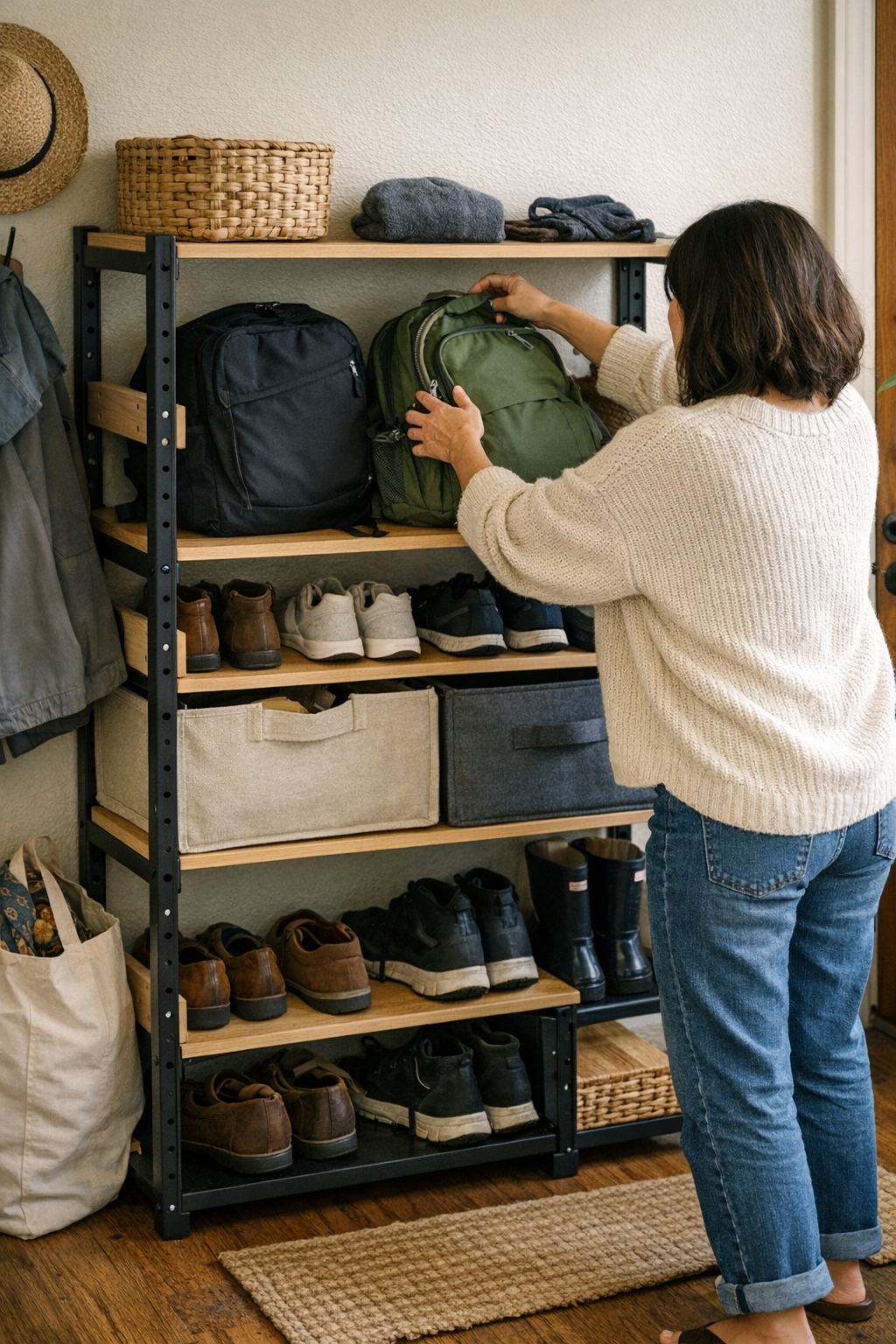
It’s strange how the subtle fatigue of a crowded entry builds—not all at once, but with an unease that settles in after the third, fourth, fifth rushed return. Backpacks get cast down, boots end up crooked, and there’s that hollow clang as a door catches on the shelf edge, where weight has quietly shifted what used to be straight. I didn’t set out thinking about rigidity, but as the weeks added up, one flawed cabinet quietly set a rhythm of pause and improv every time I crossed the threshold. The right transition-space cabinet has become less about storage and more about whether that passage opens or resists.
How It Really Starts to Matter
At first, I noticed only small things—the door that didn’t quite close, gloves sliding in a pile where bags had shifted, shoes no longer aligned but stacked or drifting past their shelf edge. You don’t notice it immediately.
But you feel it.
That was the part I kept coming back to: how each hurried arrival and departure pressed a little more clutter into the space. Structural flex wasn’t the disaster I imagined—it was more a slow drift, as if energy escaped into the room each time a panel moved.
Weight Shifts and Quiet Accumulations
By midweek, you know which shelf won’t hold the bags upright. A cabinet that bends even slightly gathers the week’s indecision, as items accumulate in awkward bunches. Shoes tip forward, bags press door panels askew, and the once-clear path jams itself from the bottom up. It’s not sudden; it’s communal—shaped by the way everyone drops, grabs, forgets, and returns.
Somehow, the bench edge always becomes a ledge for dropped hats and mail—not from one big mess, but a dozen quick moments as everyone reaches for “just for now.” The transition space demands order, but it’s only as strong as the surface that keeps things in place.
When Rigidity Makes a Different Rhythm
Swapping in a solid, well-anchored cabinet changed the entry in ways that took days to realize. Shelves no longer bowed, doors realigned themselves, and the entry’s bottleneck eased. It felt less like bravado and more like an exhale. Shoes stayed put, bags had a true landing, and the pattern of drop-and-go softened. Even the urge to stack or squeeze “just this once” faded when things actually fit—held firm by something that didn’t give way.
I started to trust the zone again. Resetting after rush hour lost its irritation. The real surprise was how little drama the transition needed when the foundation held steady—no redesign, just no drift.
Somewhere between old fatigue and the cleared path, it’s easy to see why rigidity matters so much here.
For a space designed to take the weight of every coming and going, I’ve found more clarity looking through ideas like these: http://www.betweenry.myshopify.com