When Closets Reflect the Rhythm of Everyday Life
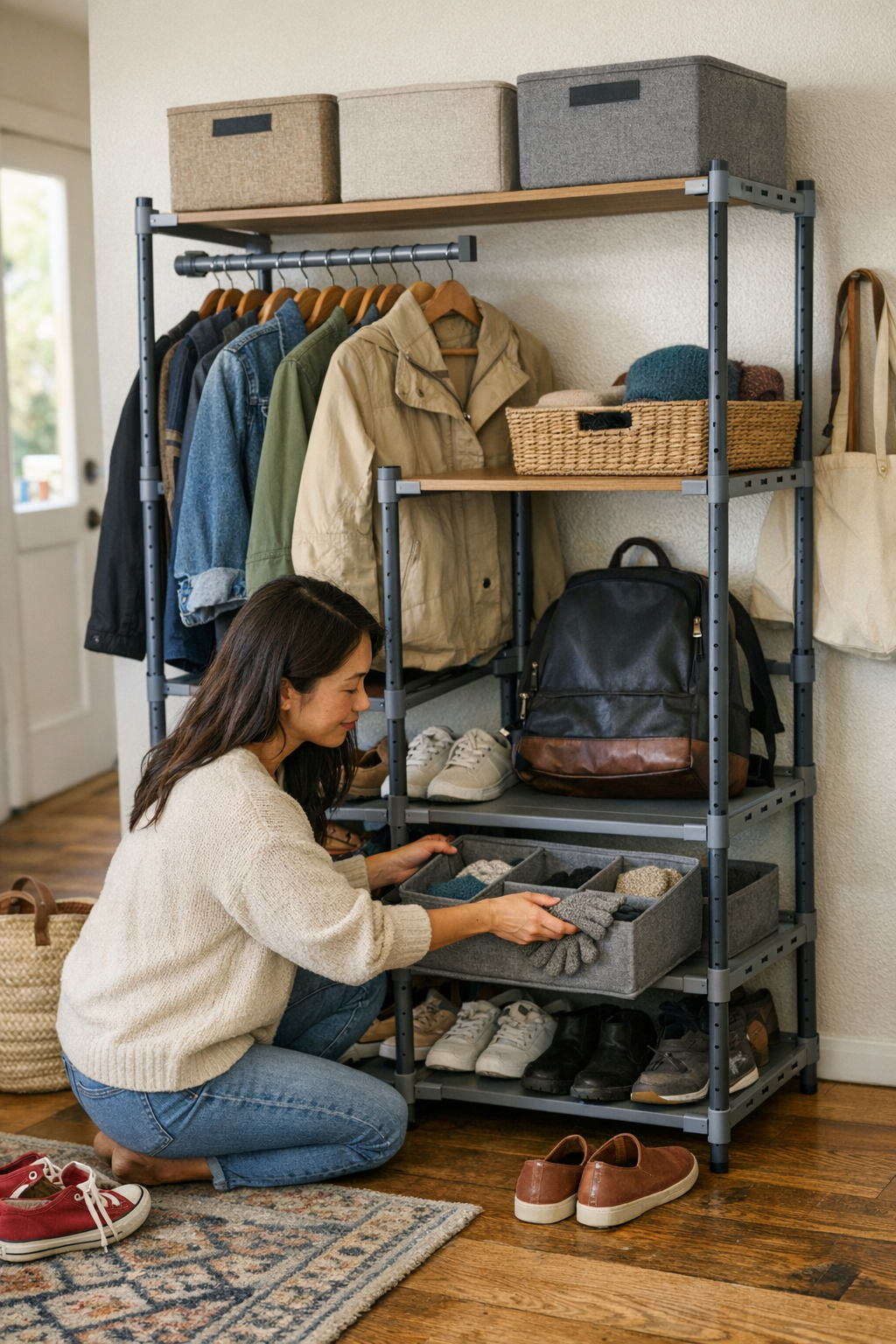
Choosing storage that cuts down on extra walking reduces clutter and stray drops, keeping closets clearer and easier to reset.
Clutter Isn’t Just a Mess — It’s a Conversation With Your Routines (And why that matters more than we admit)
We rarely notice the cracks in our daily systems until junk quietly accumulates in the corners. In the case of closets, the first sign is often small: a stray shoe displaced from its shelf, or a scarf forgotten on the hall bench. But beneath the surface, something more subtle is happening — our storage isn’t keeping up with our actual lives. The dance between bins, shelves, and rods shapes more than appearance; it slowly decides whether our spaces serve us, or if they demand quiet sacrifices from us over time.
You don’t notice it immediately.
But you feel it.
The Shape of the Shortcut
There’s a reason shoes drift toward the door and handbags pile in corners even when the closet started out beautifully organized. Every shortcut, every dropped item, is a tiny negotiation with space. If something is just a bit too far out of reach, or needs one step too many, we release it to the nearest available surface — just this once, we think.
Very quickly, this becomes a pattern.
I once watched a neat closet devolve with remarkable predictability: high shelves for “extras” sat mostly untouched, while everyday things gathered in a low-traffic pile near the threshold. It wasn’t laziness. It was the layout quietly disagreeing with the rhythms of ordinary afternoons.
When Organization Fails Quietly
Most closets, freshly installed, show off their order. Deep bins, tall rods, easy labels — all signs of a system that will hold up.
But give it a week.
Shirts start shifting from their stacks. Bins overflow, just a bit out of reach. What looked organized on day one gradually picks up friction; put-backs slow, categories blend, stray items multiply.
It happens quietly. But the feeling is visible: a creeping sense that tidying up demands more energy than it did before.
I’ve found that making a single, simple change — lowering a shelf, adding a split basket where hands naturally pause — can quietly redraw the flow of a space. Suddenly, the default becomes easy again. The piles that once seemed inevitable just… stop forming.
The Gentle Art of Returning
The test isn’t how a closet looks when it’s empty, but what happens on a chaotic Wednesday — when ten seconds is all anyone can spare.
That’s when a good storage arrangement shows its worth. When shelves or bins are at the natural point where people stop, items seem to find their places on their own. The family keys land in their basket. Gloves drop into reach. There is, oddly, less mess — and a little less household negotiation.
The biggest difference isn’t in the kind of shelf or basket you pick. It’s whether they’re waiting where your daily routines actually go.
Maybe the gentle reminder is this: order that lasts is less about a clever setup, more about how small changes honor the real movements of a day.
Sometimes, all it takes is lowering a shelf by a few inches — just enough for a new kind of calm to settle in.
These realizations surfaced while rethinking my own hallway closet, and noticing what actually changed after a small adjustment.